
 15k
Open Source Marketplace
Multi Vendor Marketplace Platform
Launch a multi-vendor marketplace with Stripe Connect payouts, vendor onboarding, and commission management. Sync products from Shopify and WooCommerce. Open source core with enterprise features built in.
Used by over 5K businesses worldwide
Brands that have built on Spree Commerce














Brands like Bookshop, Bonobos, GoDaddy, KFC, Mitchells, Blue Apron, and DieHard have built ecommerce on Spree Commerce, alongside 5,000+ other businesses worldwide.
Get a Fully-featured Open Source Multi-Vendor Marketplace Platform
Spree Commerce Open Source simplifies and automates marketplace complexities, ensuring smooth operations, satisfied vendors, and confident shoppers. Ships with a Next.js storefront, the framework behind 30% of the a16z Top 100 marketplaces.
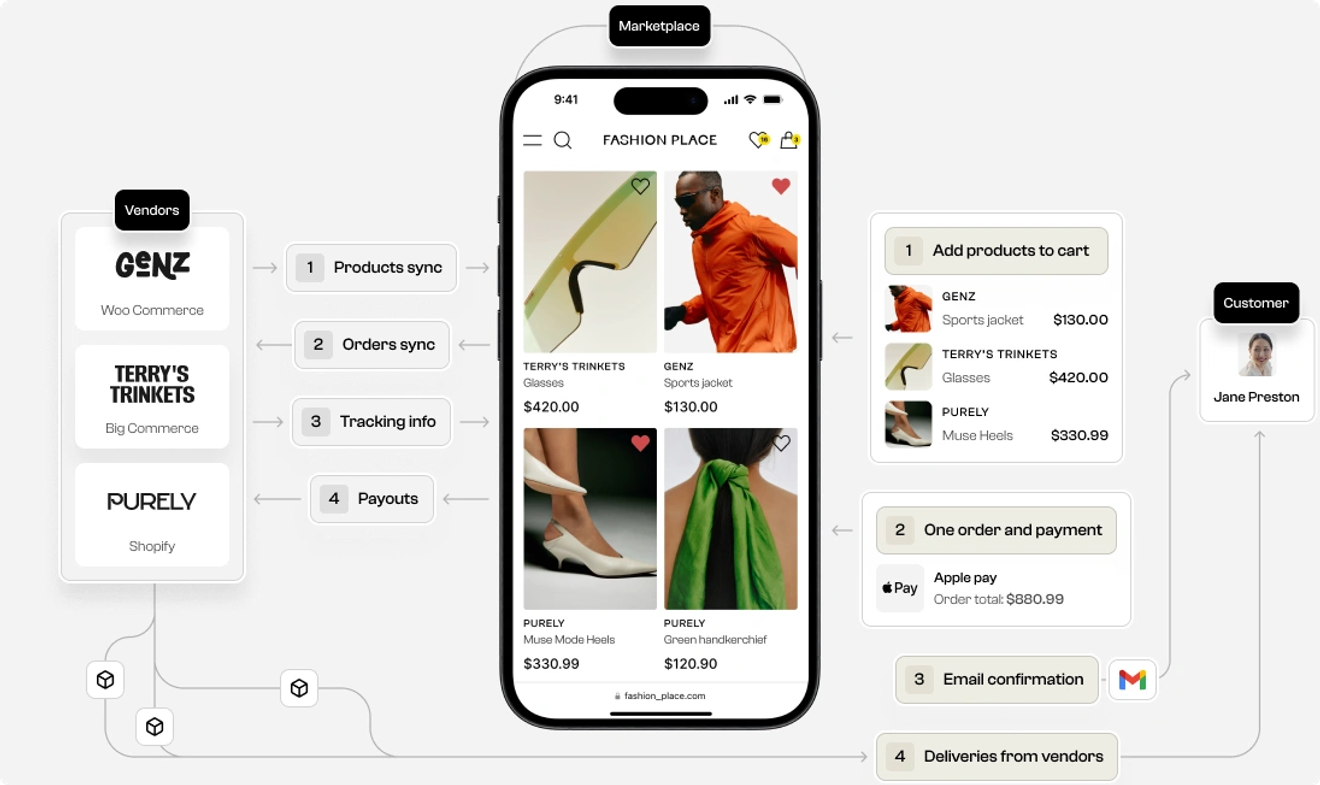
Multi-Vendor Marketplace Admin Tools
Spree Commerce open source provides multi-vendor marketplace management tools with a full-featured Admin dashboard.
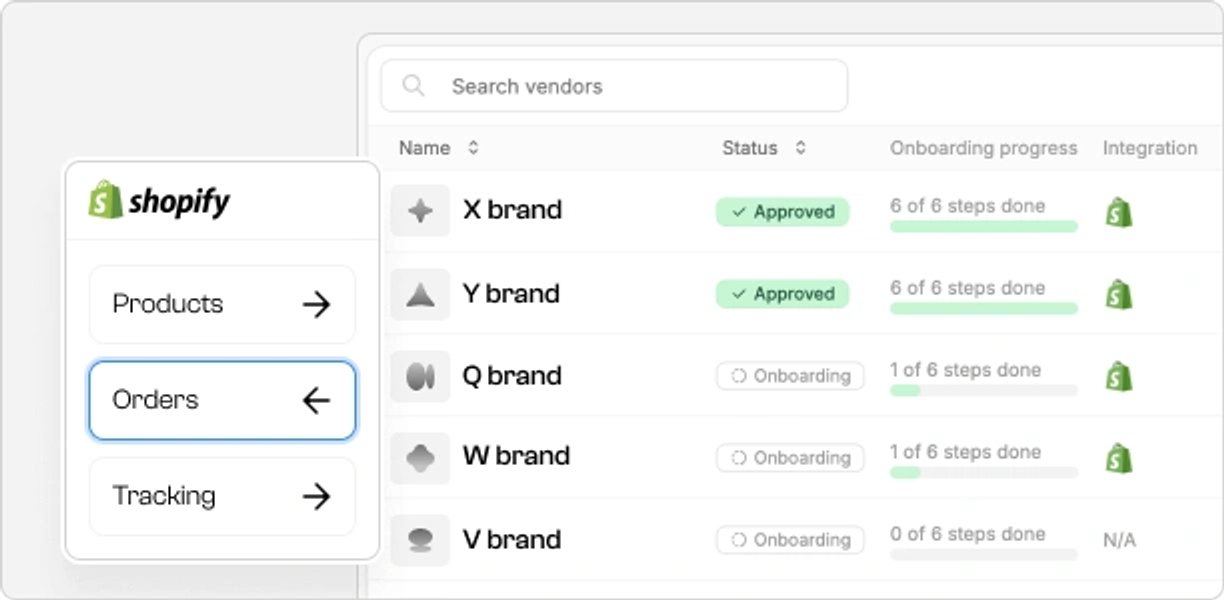
Shopify Vendor Onboarding
Automate onboarding for Shopify vendors with a white-label Shopify sync app. Two-way sync of products, inventory levels, orders, and tracking info between Shopify and your marketplace.
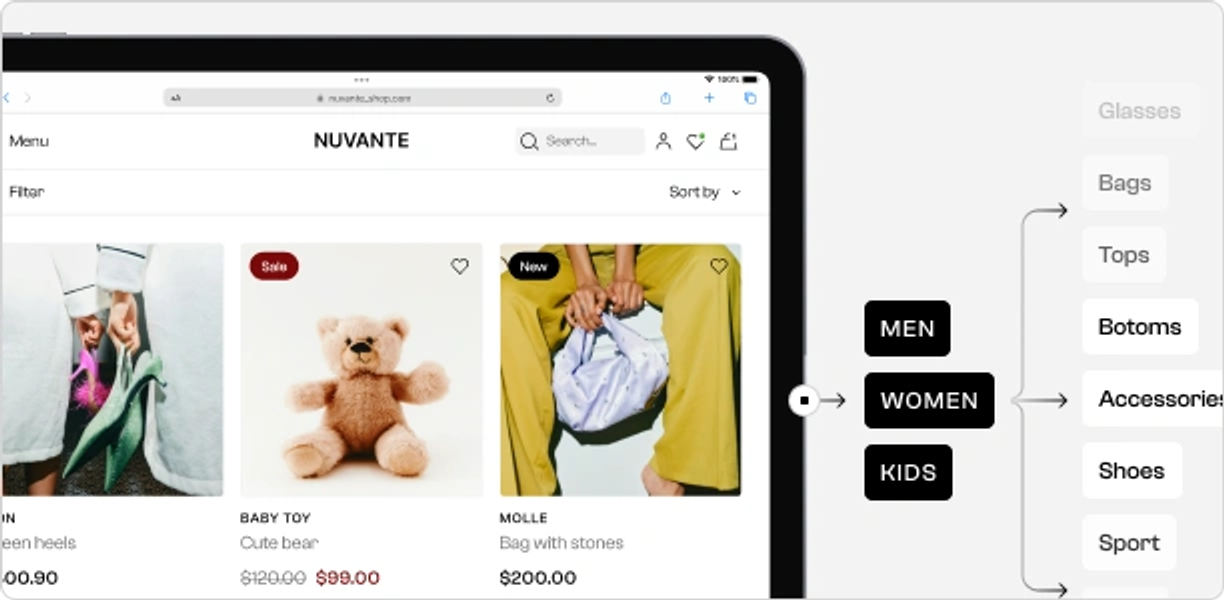
Marketplace Merchandising
Moderate product listings. Update vendor-provided listings. Organize products with categories and labels. Define and filter by product attributes.

Marketplace Management
Invite vendors, approve or reject vendor signups, suspend accounts, and monitor vendor performance metrics.

WooCommerce Vendor Integration
Automate onboarding for WooCommerce vendors via direct API integration. Two-way sync of products, orders, shipments, and refunds between WooCommerce and your marketplace.

Manual or CSV Vendor Onboarding
Manually onboard vendors without an online store or using unsupported platforms via direct account setup in the vendor dashboard.

Commission & Revenue Management
Set commission rates per vendor, category, or product. Run vendor-funded promotions with per-promotion commission overrides. Automate revenue splits via Stripe Connect or Adyen for Platforms. Track revenue and vendor payouts from one dashboard.
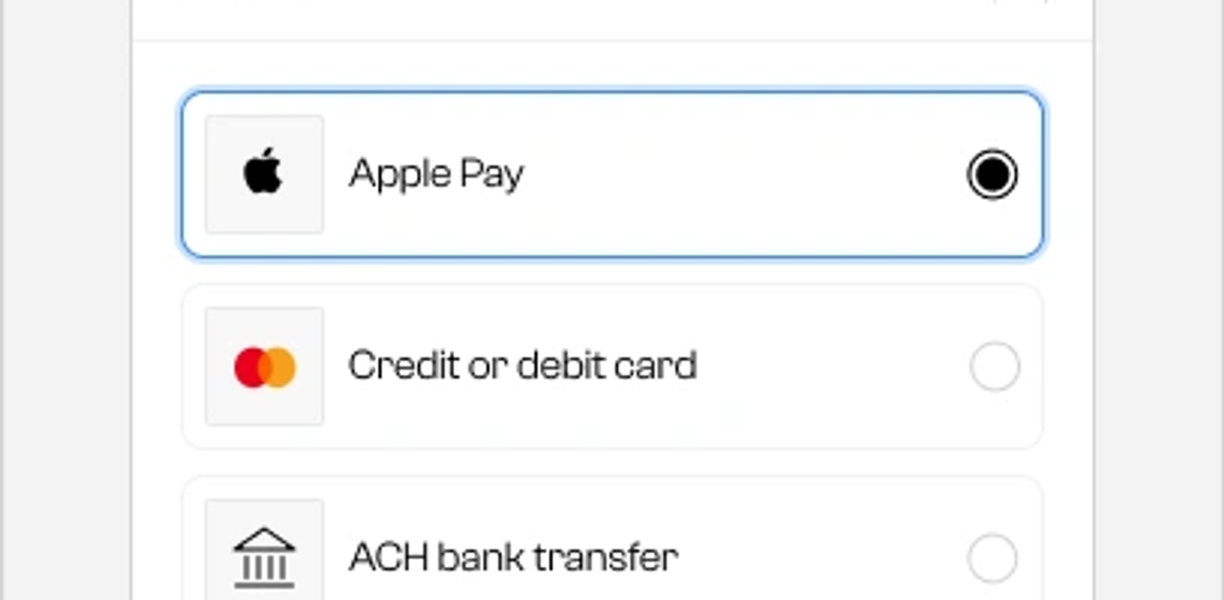
Checkout & Payments
Multi-vendor order splitting with Stripe Connect or Adyen for Platforms. Quick checkout (Apple Pay, Google Pay), installment payments, per-vendor tax calculation, and automated payouts.
Vendor Payouts
Automated or manual payouts with Stripe Connect, including KYC onboarding and vendor-accessible analytics.
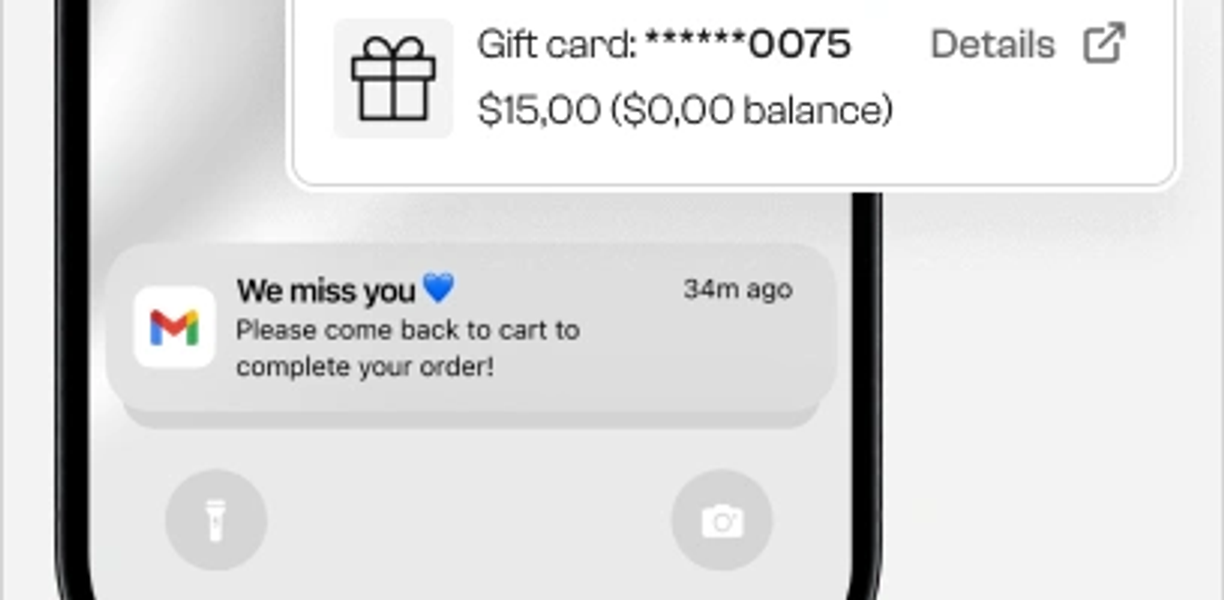
Promotions & Marketing Automations
Create promo rules and coupon codes. Issue and redeem digital gift cards. Automate abandoned cart emails and upsell flows based on user activity.

Order Management
Order filtering, actions like cancellations or refunds, and tracking fulfillment per vendor.

Analytics & Reporting
Built-in KPIs, Google Analytics integration, and CSV exports for products and orders.

Customer Service
Optional chat and AI bots, ticketing, and store credits for efficient customer support.

REST API for Headless & Integrations
Store API with full OpenAPI 3.0 documentation and an official TypeScript SDK. Coverage for storefront, checkout, and integration operations. Import into Postman in seconds.
Multi-Vendor Onboarding and Self-Service
Vendors manage products, orders, and payouts from a dedicated dashboard. The marketplace starter ships in the open source Community Edition. Enterprise Edition adds automated Shopify and WooCommerce sync.
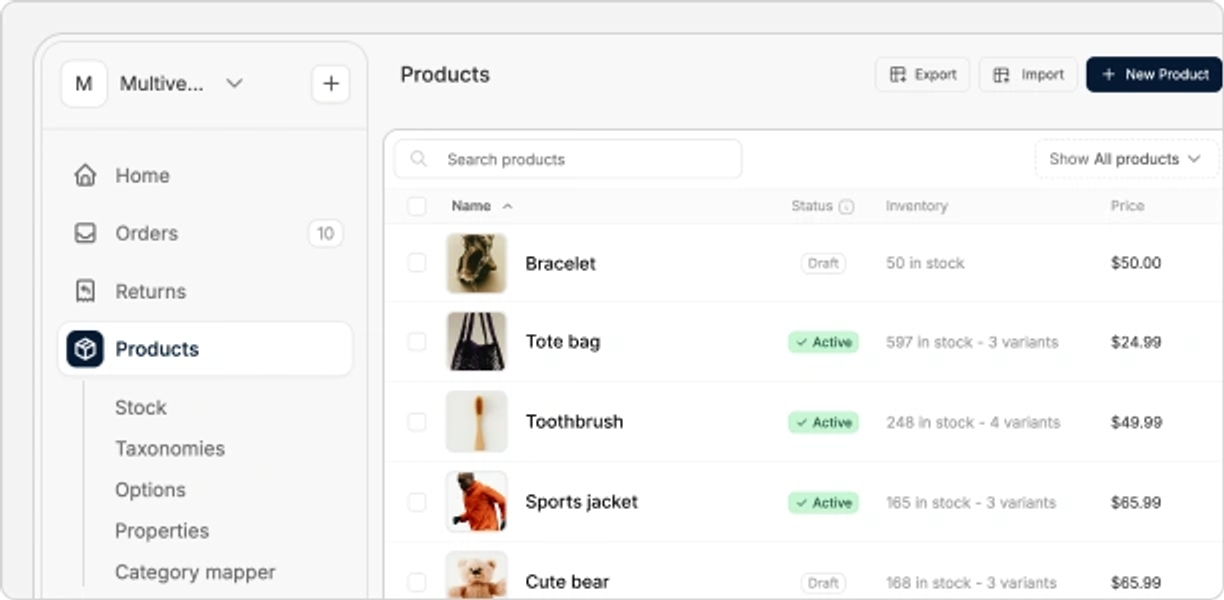
Vendor Dashboard
Onboard and manage products, orders, analytics, settings, and support from a dedicated dashboard. Or use a Shopify automation and dashboard instead.
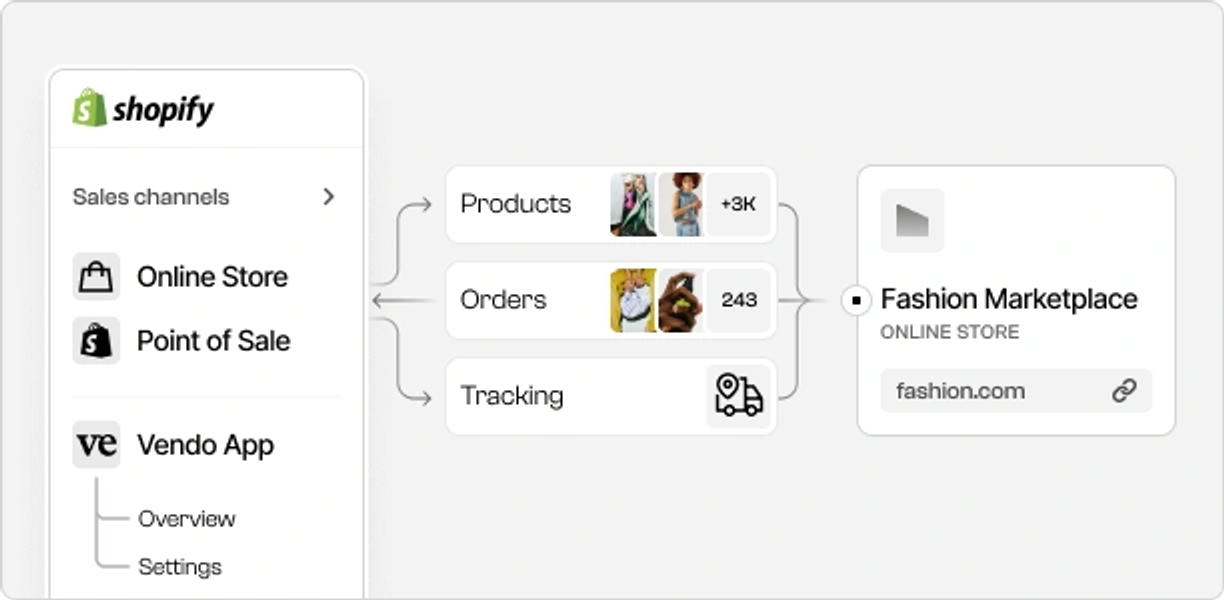
Automated Shopify Onboarding & Operations
A white-label Shopify sync app connects products, orders, shipments, cancellations, and refunds automatically between Shopify and the marketplace.

Vendor Profile & Settings
Configure shipping zones, localization, and vendor availability status from the operator dashboard.

Manual or CSV-based Vendor Onboarding & Operations
Vendors can upload products, manage orders and shipments, and handle cancellations or refunds directly from their dashboard.

Automated WooCommerce Onboarding & Operations
Syncs products, orders, shipments, cancellations, and refunds automatically between WooCommerce and the marketplace.

Vendor Payouts & Reporting
Automated or manual payouts, Stripe KYC onboarding, financial dashboards, and optional accounting integrations.
Multi-Vendor Shopping Experience
Customers shop from multiple vendors in a single cart and checkout. Country-specific storefronts serve the right currency, language, and payment methods automatically.
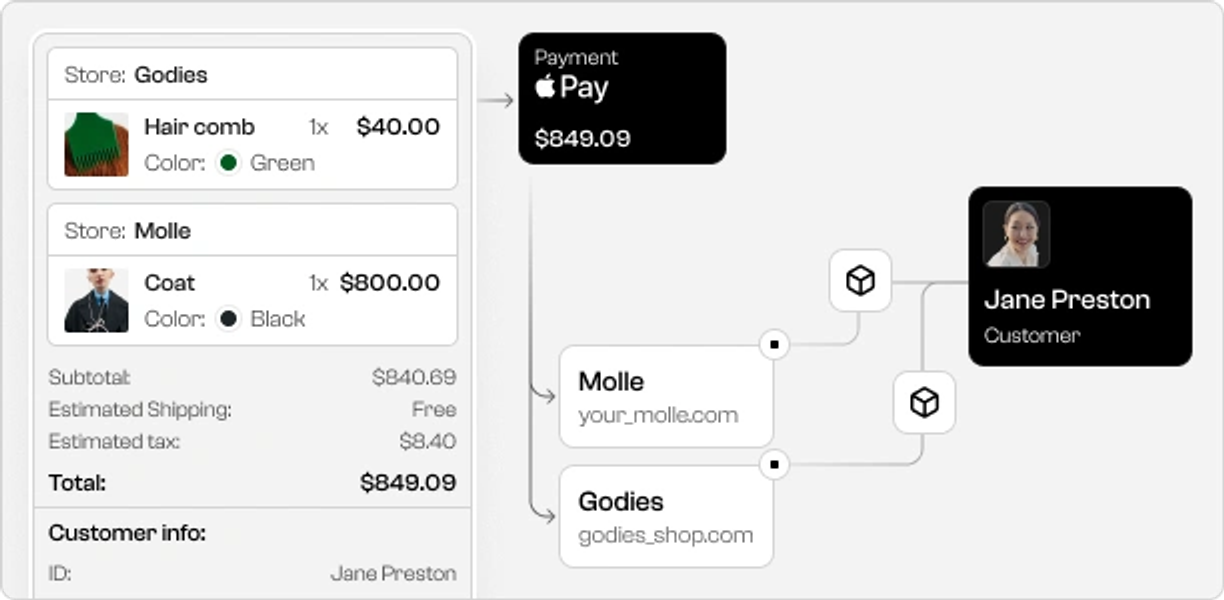
Multi-Vendor Shopping Experience
Multi-vendor cart and checkout, vendor-specific shipping, and a consistent storefront for products from multiple vendors.

Country-specific User Experience
Language and currency selector for country-specific shopping convenience at catalog and checkout level.

Next.js Storefront, Mobile-Ready by Default
The official Next.js Commerce starter ships responsive and mobile-optimized out of the box. REST API powers any frontend, from web storefronts to native mobile apps.

Marketplace Product Discovery
Shoppers can browse by brand or vendor and explore curated collections and categories.

Express Checkout & Payment Options
Including Apple Pay, Google Pay, installment plans, and payment links for quick, flexible checkout.

Notifications & Shipment Tracking
Confirmation, shipping, and delivery emails per vendor. Unified view of all orders in customer dashboard.
What you get
Build exactly the multi-vendor marketplace you envision with Spree Commerce open source
Use Spree Commerce Open Source Marketplace Platform as a spring-board to quickly deliver a marketplace that fits your use case and existing infrastructure

A marketplace starter
Spree Commerce Open Source offers a ready-to-use marketplace starter that speeds up the delivery and time to market
Full customizability
Tweak the open-source marketplace starter with your own improvements, optimizations, and features to support your specific business case, giving you the edge.
Enterprise automations
Unlock enterprise automations: from Stripe Connect payment splitting, taxes and vendor payouts, seamless Shopify and WooCommerce integrations to automated category matching.
Marketplaces Built on Spree Commerce

DTC
Scout & Nimble uses Spree for its online marketplace for shoppable designer rooms and home decor

DTC
Garmentory luxury fashion marketplace grows 400% on Spree

DTC
How Maisonette Runs a Curated Childrenswear Marketplace on Spree Commerce

DTC
Marley Spoon uses Spree Commerce for its cook-at-home meal kit subscription service
We integrated Spree Commerce REST API into our mobile app to bring a full marketplace shopping experience to our users connecting multiple vendors, including Shopify stores, into one seamless checkout. The API documentation was clear, the endpoints did what we needed out of the box, and we had our first vendor live in days, not months.
Frequently Asked Questions
What is a multi-vendor marketplace platform?
A multi-vendor marketplace platform lets multiple independent sellers list and sell products through a single storefront. The operator manages the catalog, checkout, and payments while vendors handle their own products and orders. Spree Commerce includes a complete multi-vendor marketplace module with vendor dashboards, commission management, and multi-vendor checkout built in.
Which open source platforms support multi-vendor marketplaces?
Spree Commerce is an open source platform with a built-in Marketplace module. The free, open source release includes vendor dashboards, multi-vendor cart and checkout, commission rules, and full REST API access. Stripe Connect payouts, commission rules, and the seller earnings ledger ship in the free Community Edition. Enterprise Edition adds automated Shopify and WooCommerce seller sync.
Is there an open source alternative to Mirakl for marketplace commerce?
Spree Commerce is a self-hosted, free and open source marketplace platform with full code ownership and no per-transaction platform fees. The Marketplace module includes vendor onboarding, commission management, Stripe Connect payouts, and Shopify and WooCommerce vendor sync. Teams looking for an open source alternative to SaaS marketplace solutions like Mirakl can run Spree Commerce on their own infrastructure.
How do you onboard vendors to an online marketplace?
Vendors can join through three paths: connecting an existing Shopify or WooCommerce store for automatic two-way sync of products, inventory, and orders; uploading a product catalog via CSV; or adding products manually from a vendor dashboard. Spree Commerce supports Shopify and WooCommerce sync, CSV import, and manual vendor onboarding from one admin panel.
How do marketplace platforms handle vendor commissions?
Marketplace operators typically set commission rates per vendor, product category, or individual product. Spree Commerce automates the full cycle: commission calculation at checkout, revenue split through Stripe Connect or Adyen for Platforms, and scheduled vendor payouts. Operators can also adjust commissions on promoted items for vendor-funded promotions.
How does payment splitting work in a multi-vendor marketplace?
Payment splitting routes each customer payment to the right vendors and deducts the operator’s commission automatically. Spree Commerce uses a Payment Sessions API that works with Stripe Connect and Adyen for Platforms. Vendors receive payouts on a configurable schedule without the operator handling individual transfers.
What tech stack do you need to build a multi-vendor marketplace?
A production marketplace needs a commerce engine, storefront, and payment integration. Spree Commerce provides the REST API and TypeScript SDK as the backend, a Next.js storefront for the frontend (the framework behind 30% of the a16z Top 100 marketplaces), and Payment Sessions for Stripe or Adyen integration. The full stack deploys from a single CLI command.
Can Shopify sellers join a marketplace without re-uploading their catalog?
Yes. Spree Commerce includes a Shopify seller sync app in Enterprise Edition, connecting a vendor’s existing Shopify store to the marketplace so products, inventory levels, orders, and shipment tracking sync automatically in both directions. Vendors keep running their own operations on Shopify while their catalog appears on the marketplace storefront.