

Open Source B2B eCommerce
B2B eCommerce Platform that you can fully customize, control and own
Manage customer-specific pricing, buyer organizations with approval workflows, and gated storefronts from a single back office. Integrate with any ERP or procurement system through the production-grade REST API and TypeScript SDK.
Used by over 5K businesses worldwide
Brands that have built on Spree Commerce














Brands like Bookshop, Bonobos, GoDaddy, KFC, Mitchells, Blue Apron, and DieHard have built ecommerce on Spree Commerce, alongside 5,000+ other businesses worldwide.
Wholesale & B2B eCommerce
Spree is an open source B2B ecommerce platform for wholesale distributors, manufacturers, and B2B brands running complex buyer relationships from a single back office. Price Lists, Customer Segments, Buyer Organizations, and Approval Workflows are available out of the box, extendable through the REST API.
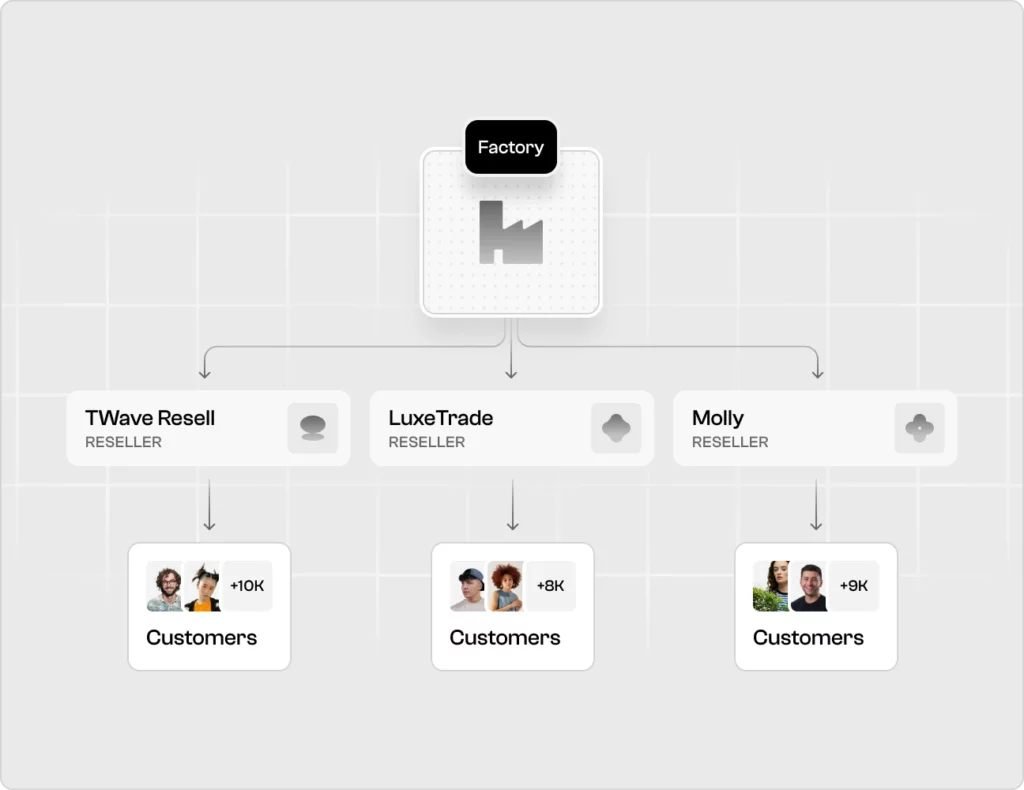
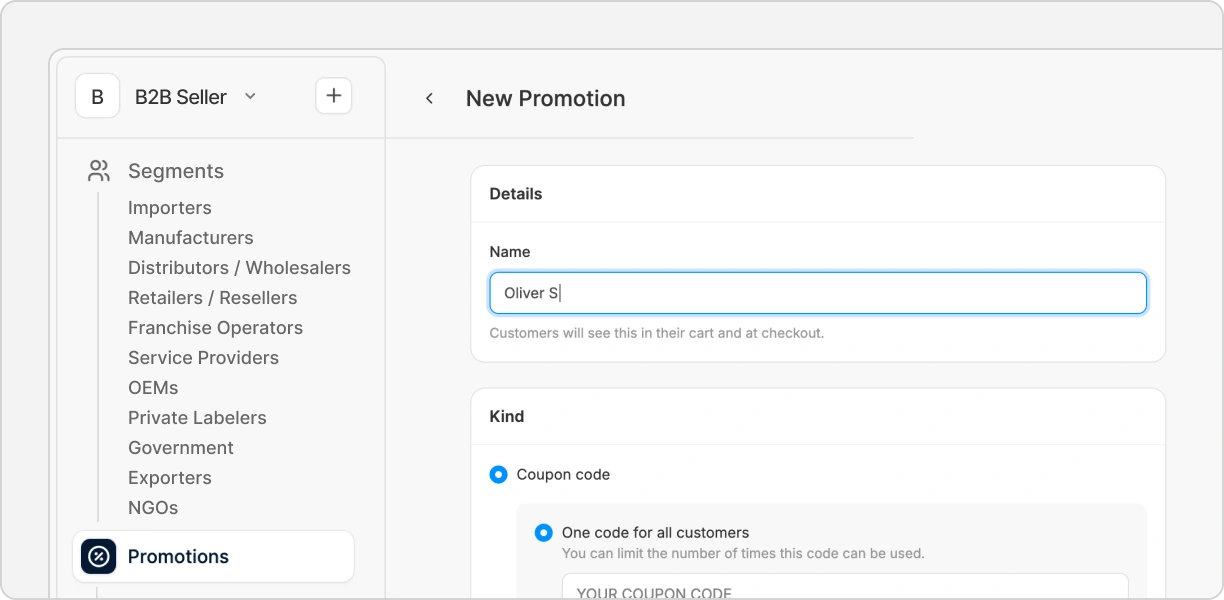
B2B Customer Segmentation & Pricing
Use Price Lists for volume and contract pricing, and Customer Segments to group accounts by tier, region, or sales channel for targeted catalogs and promotions.
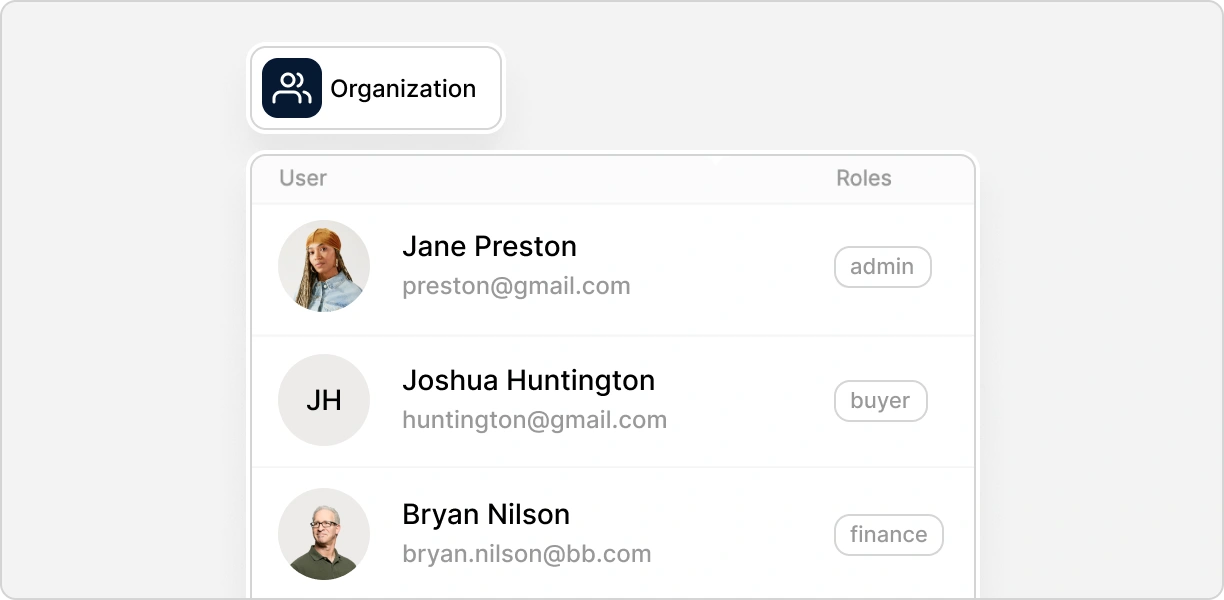
Buyer Organizations & Approval Workflows
Create account hierarchies with parent/child company structures, spending limits, role-based purchasing, and configurable approval chains so managers sign off before orders ship.

Gated Storefronts & Access Controls
Create gated storefronts, approve or reject signups, and assign customers to segments.

Handle on-terms payments, third-party invoicing and tax calculations, and industry-specific sales processes, including post-purchase documentation.

Enable bulk ordering, saved templates, and repeat purchases for high-volume buyers.

Fulfillment & Inventory Models
Assign inventory to multiple warehouses, use Markets to localize currencies, languages, and shipping rules per country, and configure custom fulfillment logic for your B2B supply chain.
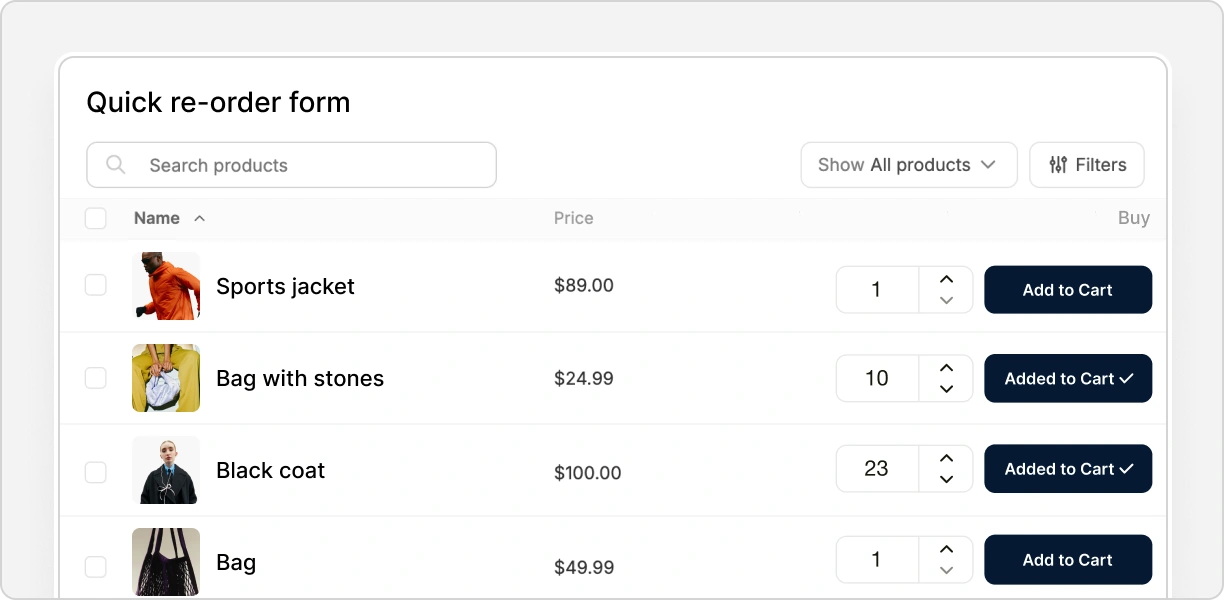
Access personalized pricing, use quick order tools, and place large or recurring orders through quick-order forms instead of adding to cart.
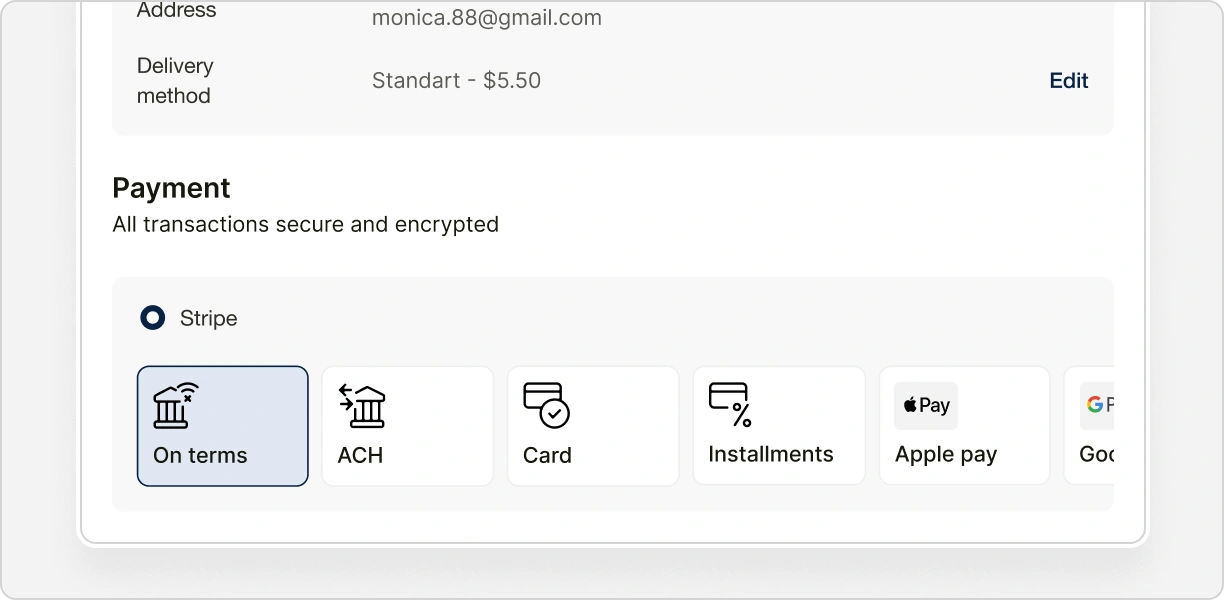
Process payments through the Payment Sessions API with Stripe, Adyen, or any PSP. Support multiple delivery addresses, on-terms invoicing, and saved purchase details for repeat orders.

Register with business-specific fields and manage team members, roles, and profiles.

Access order, shipment and invoicing history, shipment tracking, product related documentation, certificates and other documents to meet regulatory requirements.

Receive notifications, contact support, and check account audit logs to retrace your team’s steps, if needed.
What you get
Your B2B wholesale ecommerce platform, built for scale
Whether you’re running a wholesale ordering portal, managing distributor networks, or operating a B2B2C hybrid, Spree gives you the tools to tailor every part of the buyer journey while maintaining full ownership and control over your platform.

Gated Storefront Access
Restricting visibility of products and pricing until account approval is a must for many B2B businesses.
Custom Pricing Logic
A flexible B2B pricing engine including per-segment and per-customer pricing, volume discount, and customer-specific payment methods and terms.
Organizations & Buyer Roles
Multi-user organizations with user role permissions and approval workflows to support your sales process.
Frequently Asked Questions
What features should an open source B2B ecommerce platform include?
A B2B ecommerce platform should include customer-specific pricing, buyer organizations with role-based purchasing and approval workflows, gated storefronts, and ERP integration through a REST API. Spree Commerce ships customer-specific pricing and gated storefronts in its free Community Edition, and Buyer Organizations with role-based purchasing, approval workflows, and quick-order forms in its Enterprise Edition.
How do you set up wholesale pricing for different buyer groups?
Spree Commerce includes Price Lists, a native feature that lets you define volume discounts, contract rates, and segment-specific pricing from the admin panel. Assign different price lists to individual accounts or customer segments, so each buyer sees their negotiated rates the moment they log in. Price Lists and Customer Segments ship in Spree Commerce’s free Community Edition.
Can a B2B ecommerce platform integrate with ERP and procurement systems?
Spree Commerce exposes every commerce operation through a production-grade REST API with OpenAPI 3.0 specs. Your team can connect it to SAP, NetSuite, Oracle, or any ERP using the TypeScript SDK or by generating typed clients in any language. ERP integration is one of the most common B2B requirements, and Spree Commerce treats it as a first-class path.
What is a headless B2B ecommerce platform?
A headless B2B ecommerce platform separates the commerce engine (pricing, orders, inventory) from the storefront layer, so your team can build a custom buyer portal on any frontend technology while commerce runs via API. Spree Commerce is a headless B2B platform with a production-grade REST API, TypeScript SDK, and a Next.js storefront starter.
How do buyer organizations and approval workflows work in B2B ecommerce?
Buyer organizations mirror your customers’ company structures inside the platform, giving each organization its own users, roles, spending limits, and product access. Approval workflows add a management layer where designated approvers sign off on orders before they are submitted. Company accounts ship in the free Community Edition; company roles, spending limits, and Approval Workflows ship in Enterprise Edition.
Can you run B2B and DTC sales on one ecommerce platform?
Spree Commerce runs B2B and DTC from a single instance using Markets and Customer Segments. Wholesale buyers see negotiated prices, volume discounts, and bulk ordering tools, while retail customers get the standard storefront experience, all managed from one admin panel. Brands selling both to distributors and consumers avoid running two separate platforms.
How does an open source B2B platform compare to Shopify Plus for B2B?
Spree Commerce gives you full code ownership, zero platform fees, and the freedom to deploy on your own infrastructure, with native B2B features (price lists, buyer organizations, approval workflows) instead of bolted-on add-ons. Shopify Plus added B2B as an extension of its DTC platform, charges transaction fees, limits API access, and locks you into its payment infrastructure.
Spree Commerce Success Stories