

Spree Commerce Features
B2B commerce, multi-vendor marketplaces, and cross-border operations on a production-grade REST API with a TypeScript SDK and Next.js storefront.
Used by over 5K businesses worldwide
Brands that have built on Spree Commerce













Brands like Bookshop, Bonobos, GoDaddy, KFC, Mitchells, Blue Apron, and DieHard have built ecommerce on Spree Commerce, alongside 5,000+ other businesses worldwide.
Advanced Product Management
From simple SKUs to configurable variants and digital downloads. Extend with custom attributes, unlimited taxonomies, and bulk operations.
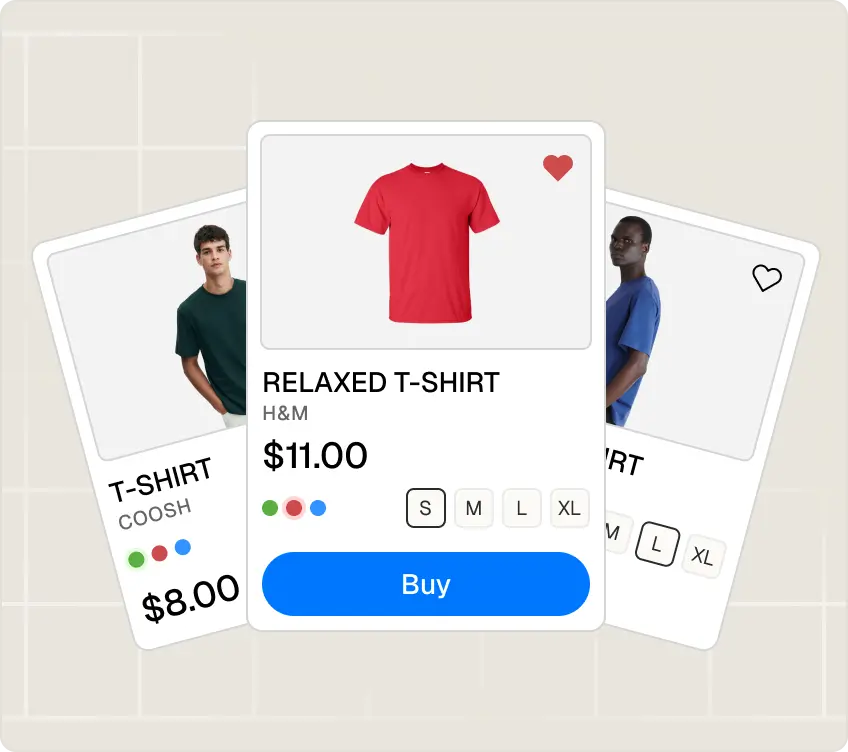
Variants & Option Types
Define unlimited size, color, and material combinations. Each variant carries its own SKU, price, and inventory with color swatch and dropdown rendering hints exposed via the API.
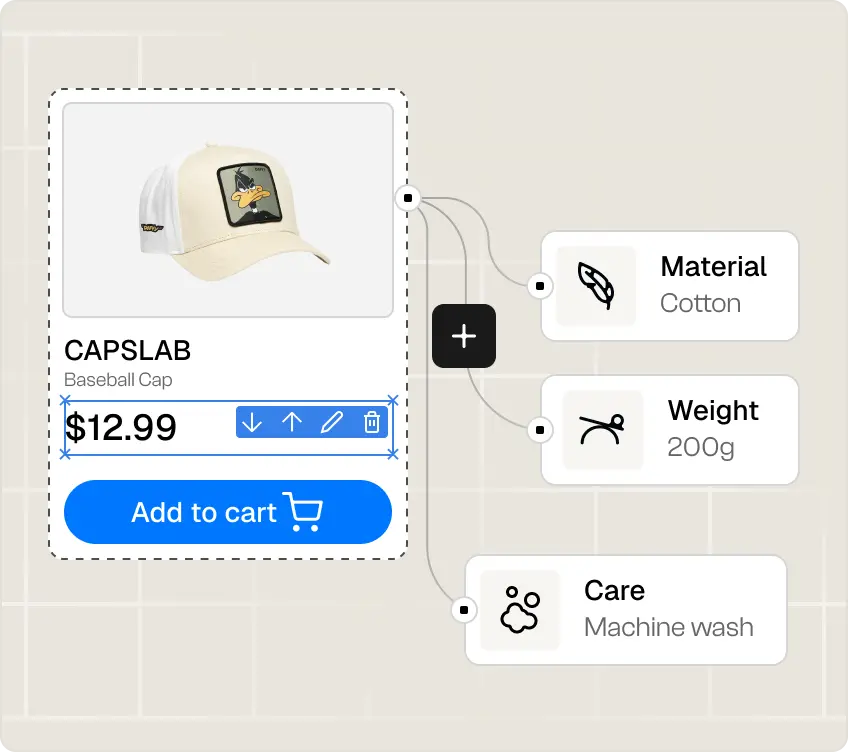
Metafields
Attach custom attributes to any product without code changes or migrations. Material, weight, care instructions, or any field your catalog requires.
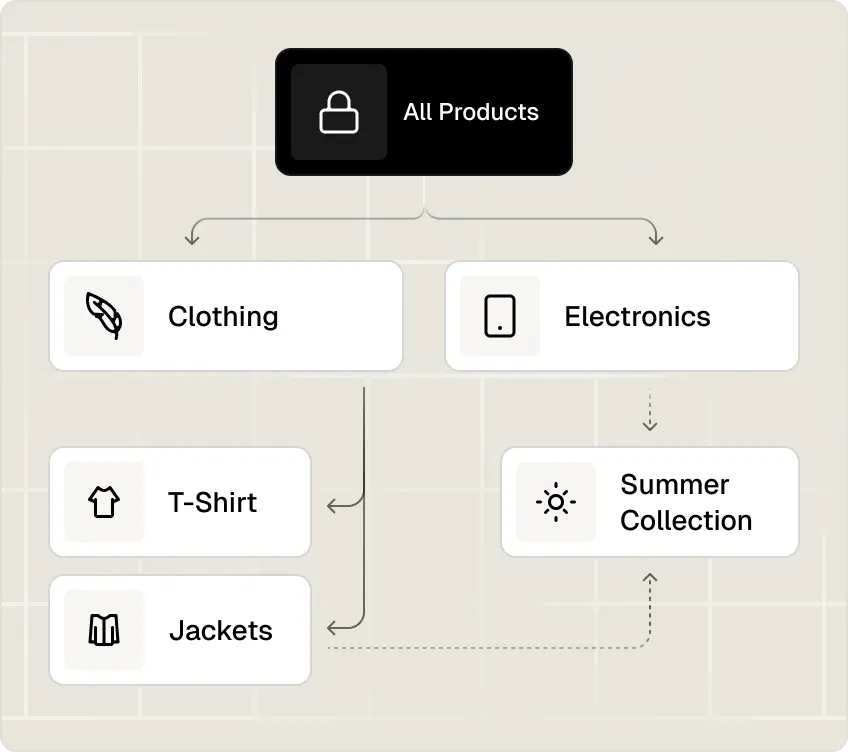
Categories & Collections
Organize products with unlimited nested categories and cross-cutting collections. Drag-and-drop hierarchy management with SEO-friendly URLs at every level.
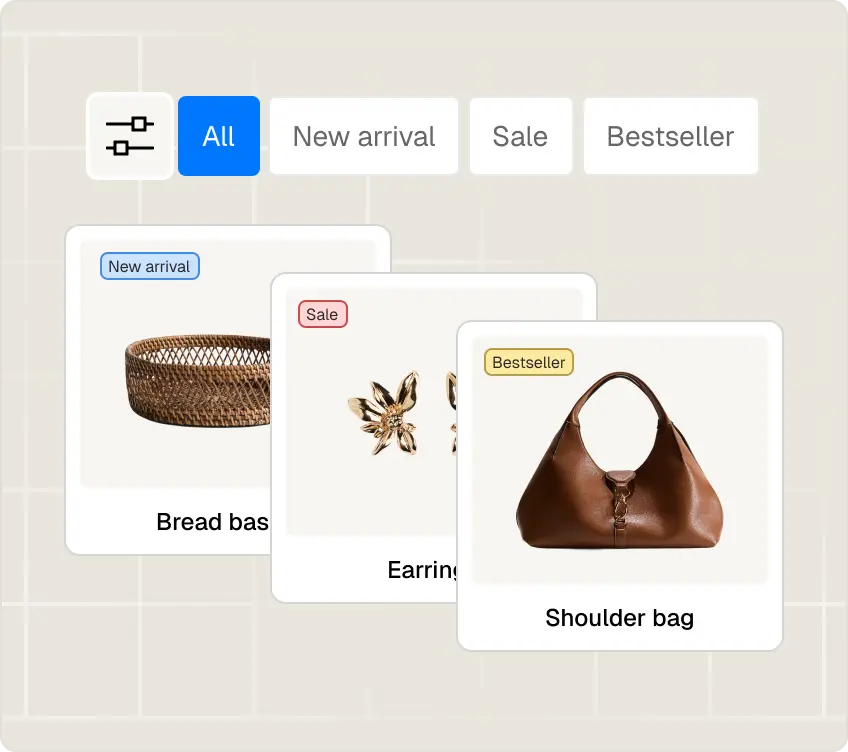
Product Tags
Tag products for fast filtering and cross-category grouping. Combine with taxonomies to surface seasonal picks, sale items, or staff favorites.
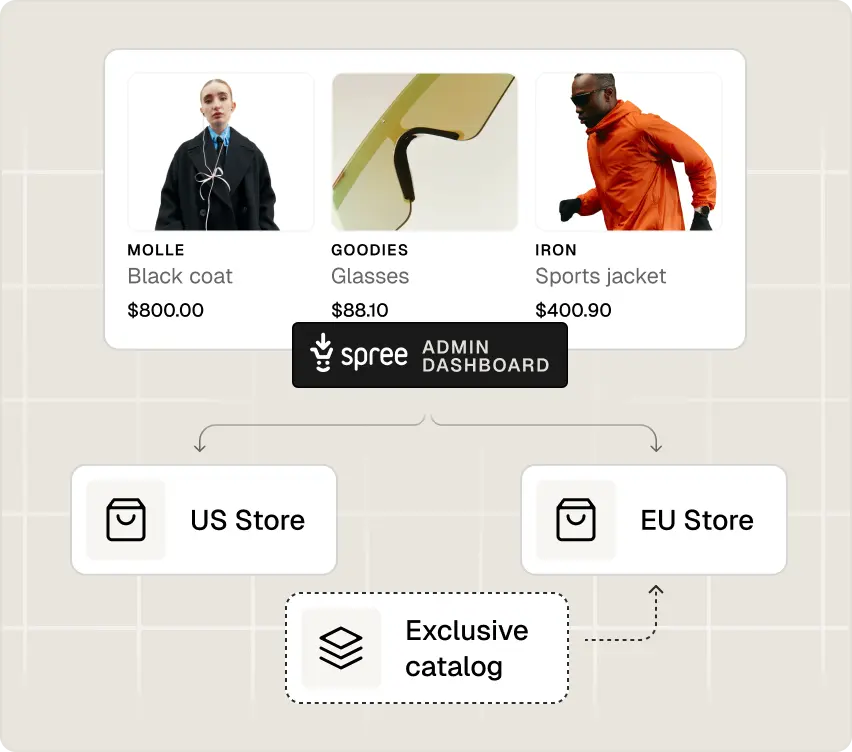
Multi-store Catalogs
Curate separate product catalogs per storefront from a single instance. Share or restrict products, pricing, and availability by store.
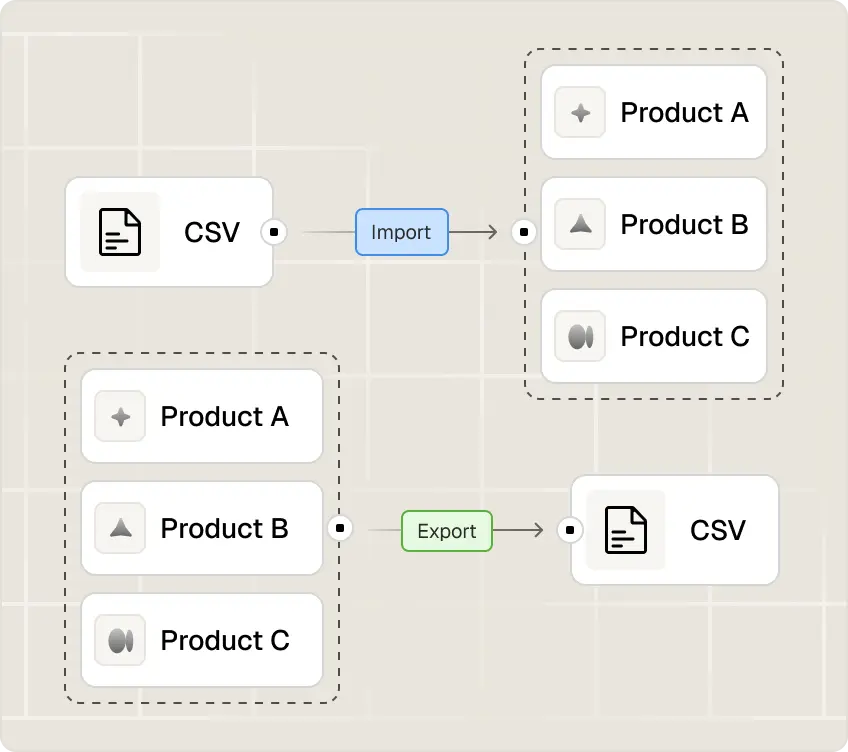
Bulk CSV Operations
Import and export thousands of products, prices, and inventory levels via CSV. Multi-currency pricing supported in a single import file.
Physical & Digital Products
Sell physical goods alongside digital downloads, license keys, and subscription products. One catalog, one checkout, one order history.


Multi-vendor childrenswear marketplace running 65,000+ products across hundreds of brands on Spree Commerce. Maisonette built a custom Next.js headless frontend on top of Spree’s REST API, handling size and age-range variants across thousands of SKUs, automated inventory sync with vendor feeds, and a curated editorial shopping experience that blends content with commerce.
Flexible Pricing Engine
B2B contract rates, regional markups, and volume discounts handled natively. Define price lists by customer group, geography, or individual account.
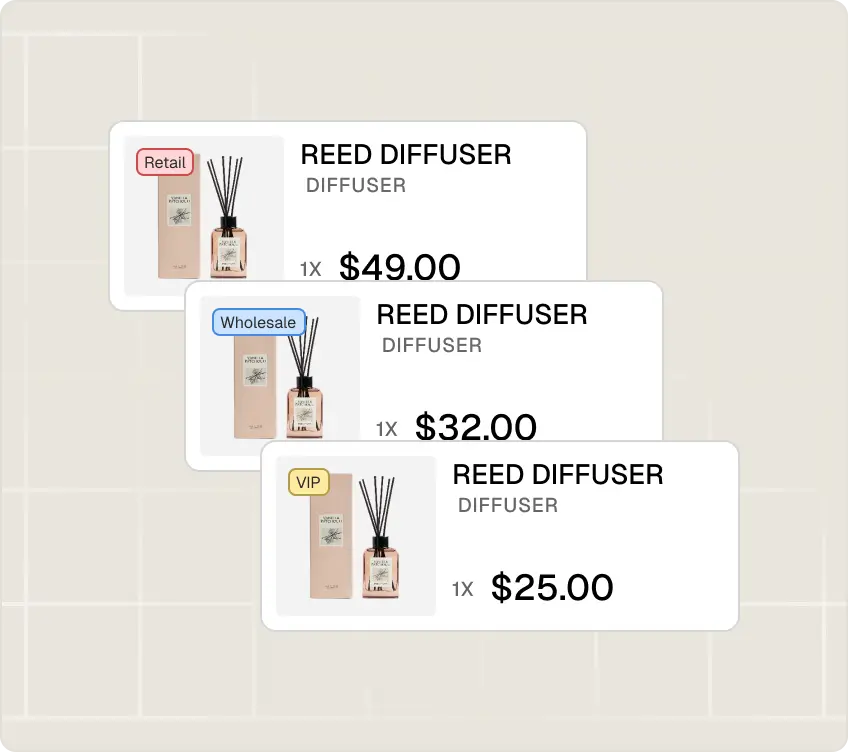
Price Lists
Create named price lists for retail, wholesale, and VIP tiers. Override base prices by market, customer group, or individual account with spreadsheet-style editing.
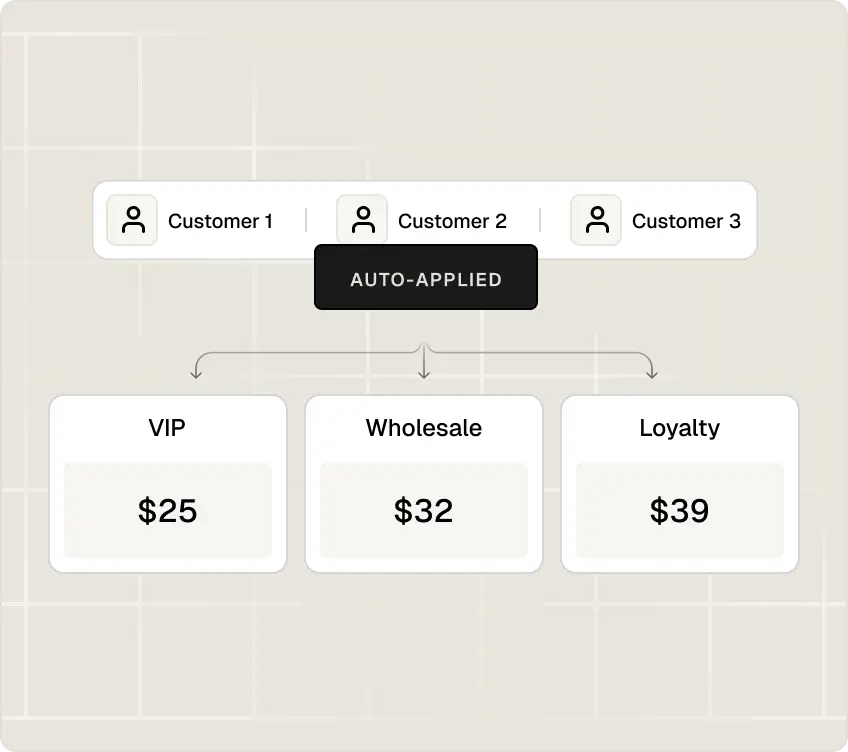
Customer Group Pricing
Assign pricing tiers to customer segments automatically. Wholesale buyers, distributors, and retail customers each see the rates negotiated for their group.
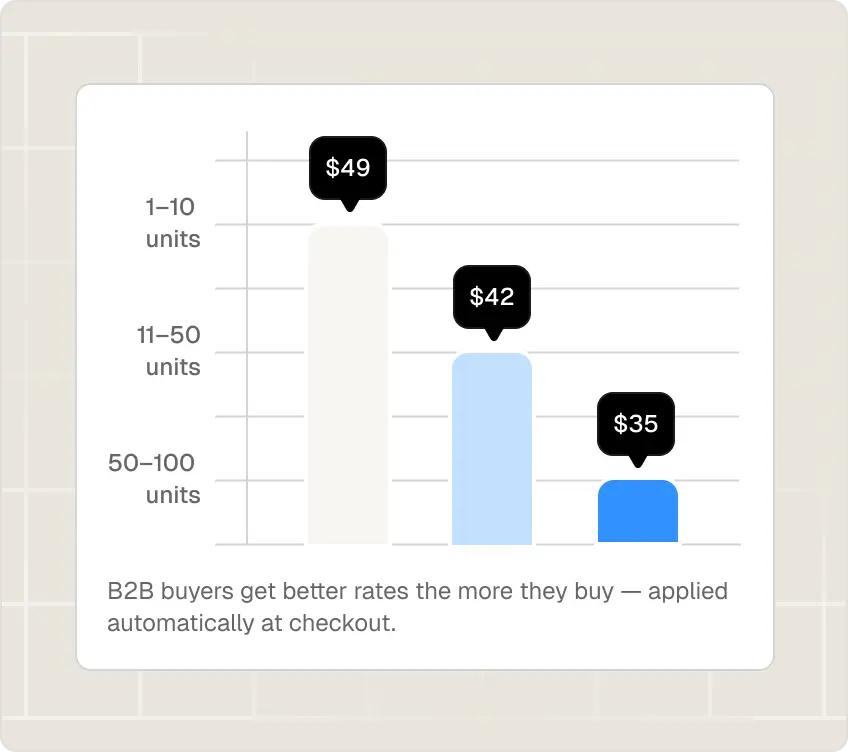
Volume Pricing
Reward bulk purchases with automatic quantity-based discounts. Set breakpoints per product or variant, and the engine applies the right tier at checkout.
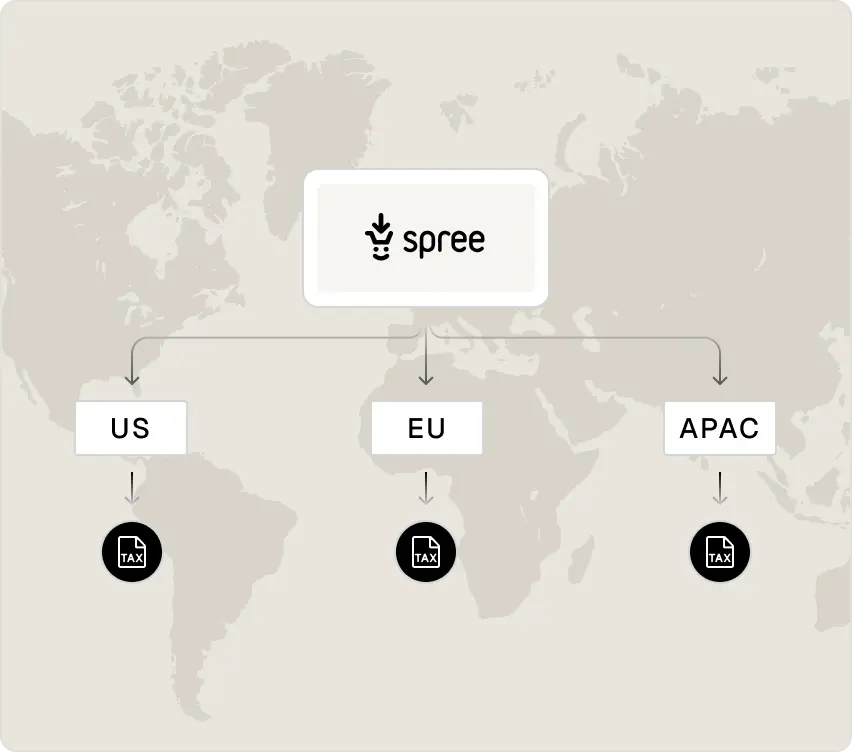
Zone-Based Pricing
Set different prices by geographic zone. Account for regional costs, taxes, and market conditions without maintaining separate catalogs.
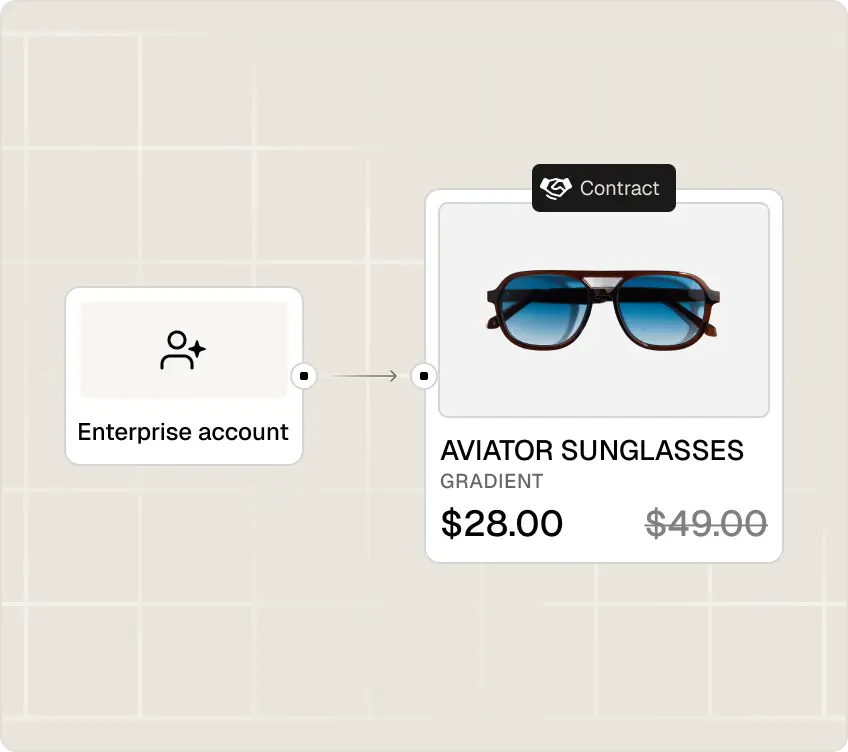
User-Specific Pricing
Negotiate custom rates for individual accounts. Per-account price overrides take priority over group and list pricing for your most important buyers.
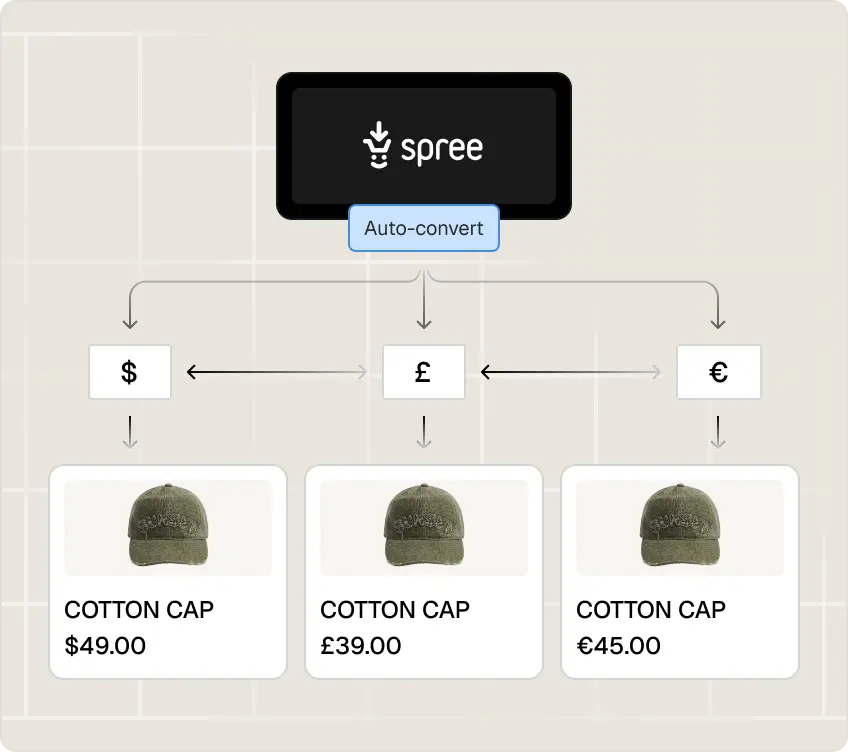
Multi-Currency Support
Display and charge in local currencies with per-market exchange rate configuration. Base prices plus currency-specific overrides, no third-party plugins required.
Real-Time Price Sync
Price changes propagate instantly across all storefronts, APIs, and channels. Update once in the admin and every touchpoint reflects the new rate immediately.
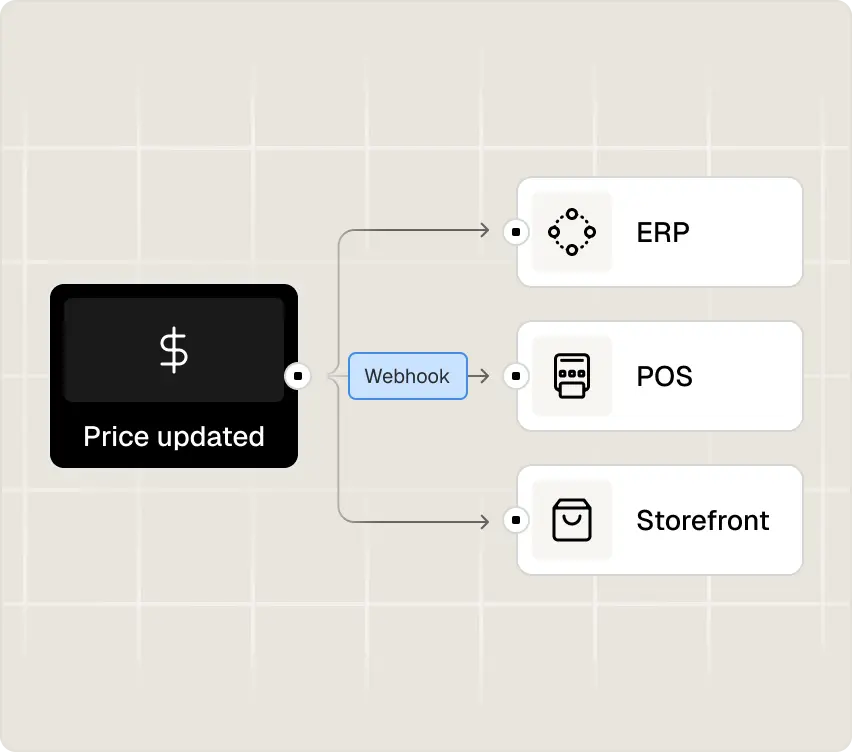

B2B architectural product manufacturer using Spree Commerce for sample ordering with ERP integration and custom pricing workflows. 3form connects its product catalog to enterprise procurement systems while giving specifiers and architects a self-service ordering experience with account-specific pricing tiers and region-specific rate cards that sync bidirectionally with their ERP.
Customer Segmentation
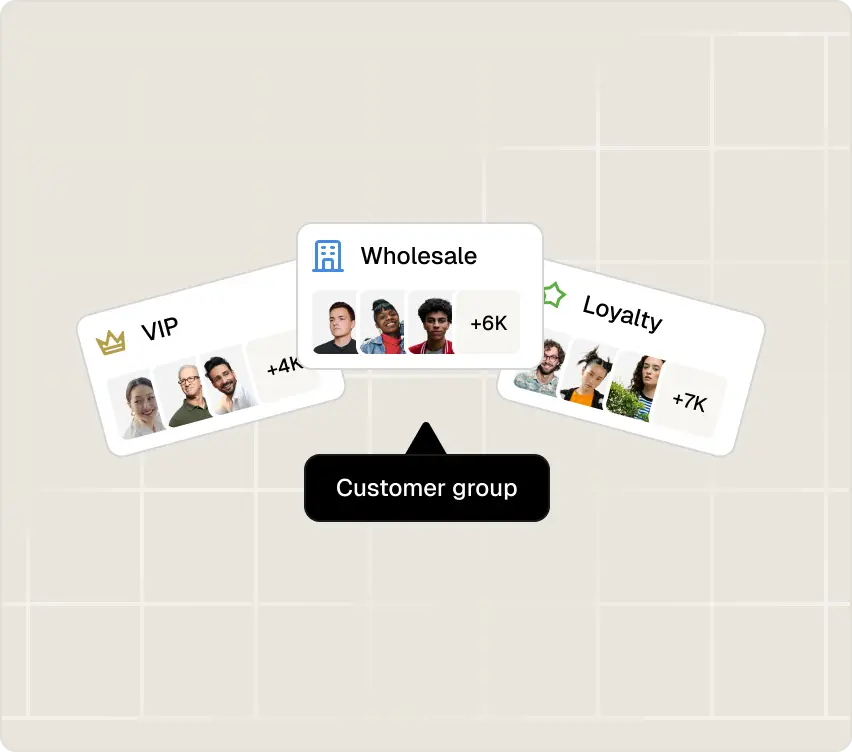
Group customers by segment, value, or business relationship. Deliver tailored pricing, catalogs, and experiences to each group.
Customer Groups
Create rule-based segments for targeted pricing, promotions, and catalog visibility. Group by purchase history, account type, or any custom criteria.
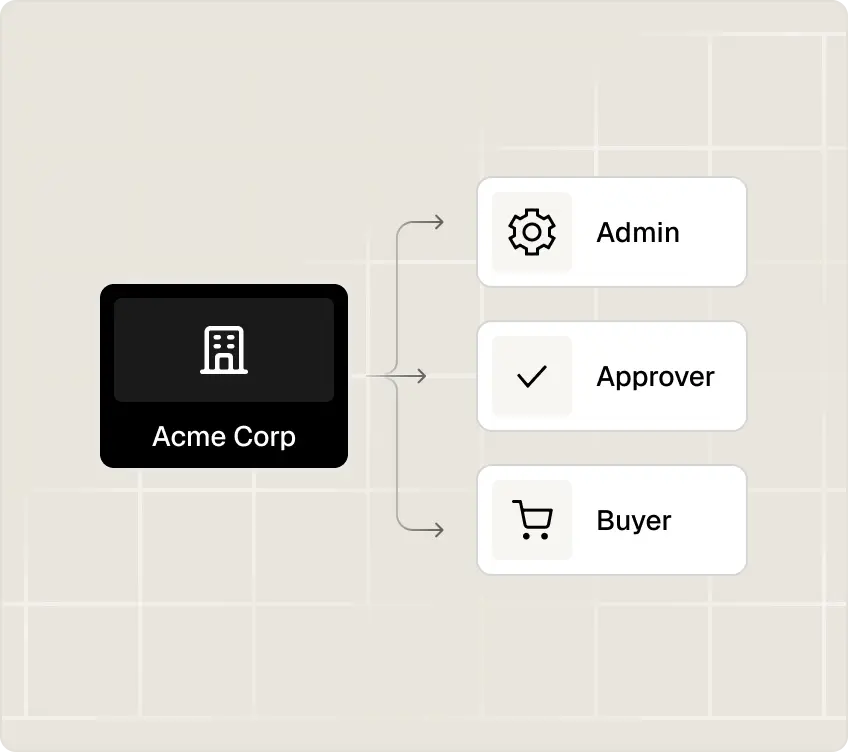
Buyer Organizations
Model B2B account hierarchies with parent companies, divisions, and subsidiaries. Assign spending limits and purchasing roles across the organization.
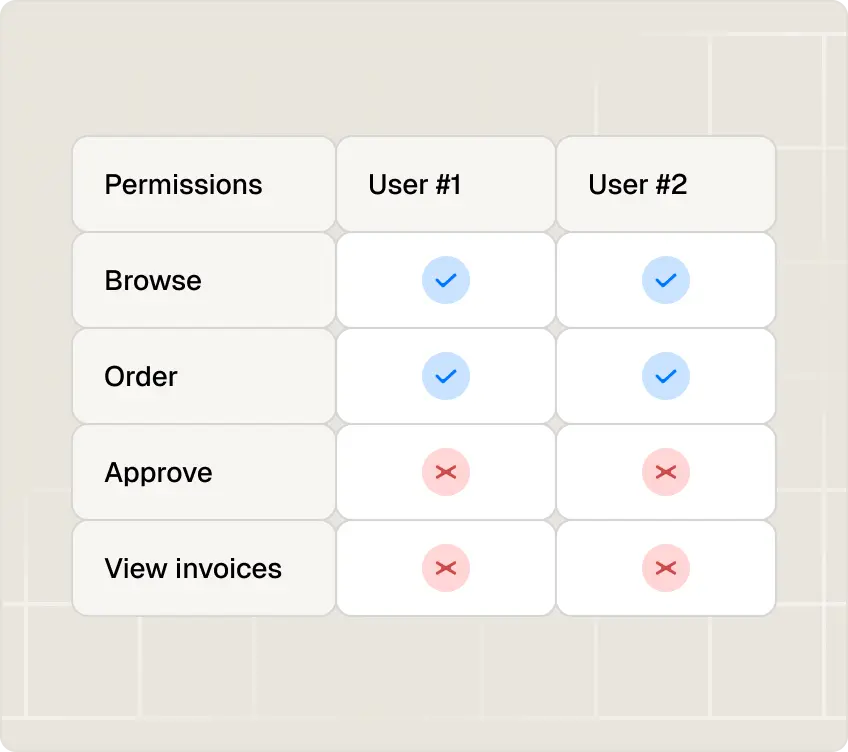
Role-Based Permissions
Control who can browse, order, and approve purchases within each account. Assign buyer, manager, and approver roles with granular access rules.
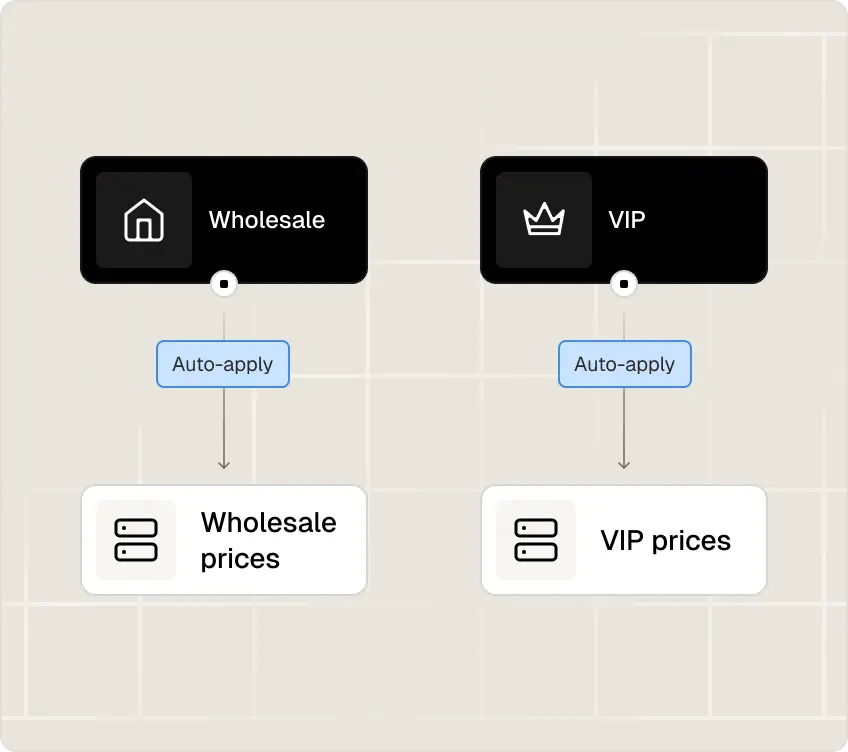
Segment-Specific Pricing
Deliver different prices to different customer groups from the same catalog. VIP consumers, wholesale partners, and enterprise accounts each see their own rates.
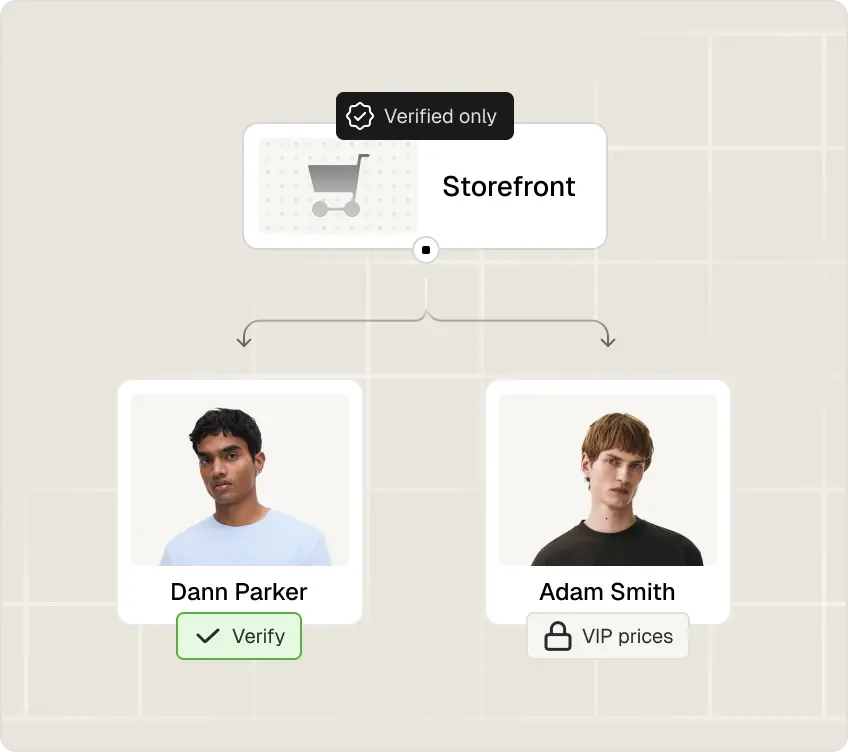
Gated Storefronts
Restrict catalog access to approved buyers. Require login before showing products, prices, or placing orders for member-only and trade-only channels.
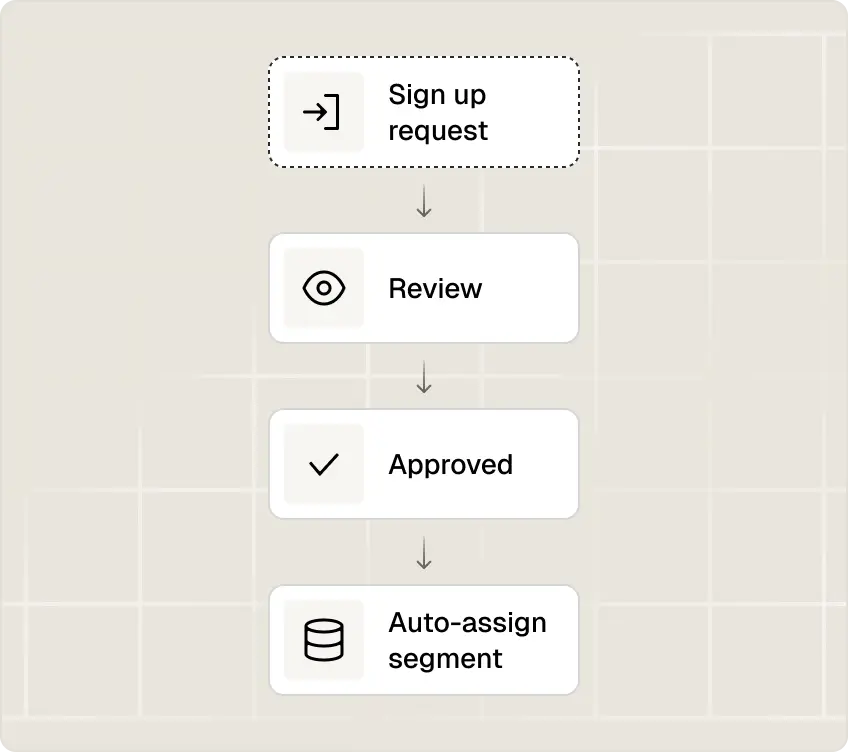
Account Approval Workflows
Review and approve new B2B account registrations before granting access. Route applications through configurable approval chains.
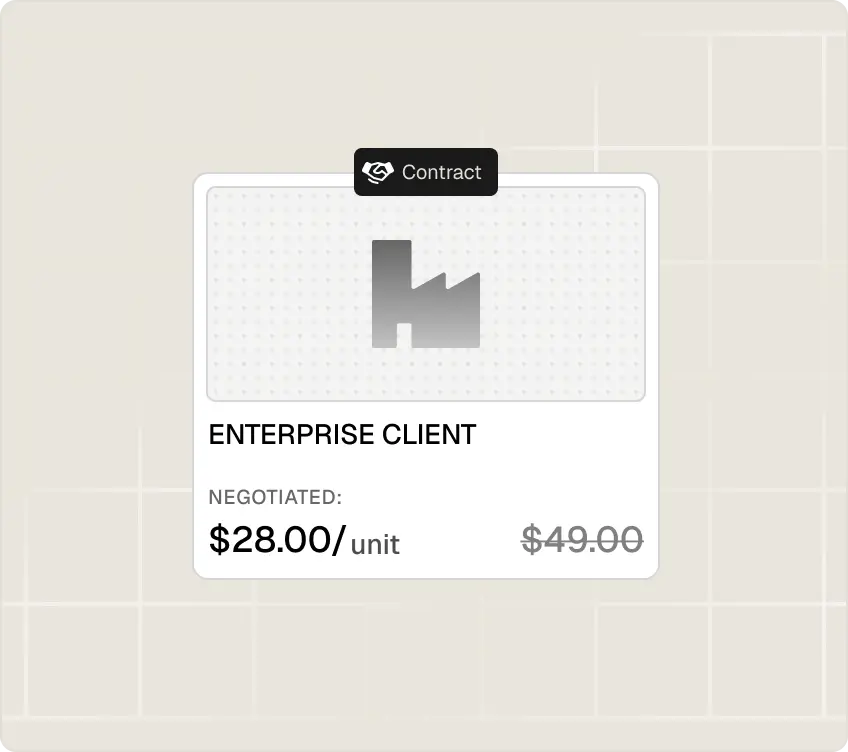
Per-Account Negotiated Pricing
Set contract-level pricing for individual accounts. Custom rates override all other pricing rules for your highest-value relationships.

Spree has given us the flexibility to run our B2B wholesale and consumer brands from one unified catalog with custom pricing, ERP integration, and multi-store management that fits how our business actually works. As we’ve grown from a single storefront to multiple brands, the platform has scaled with us.
Wilson Lau, President @ Nuherbs
International By Default
Multi-currency, multi-language, and region-specific pricing, tax, and shipping built into the core. Sell cross-border from day one.
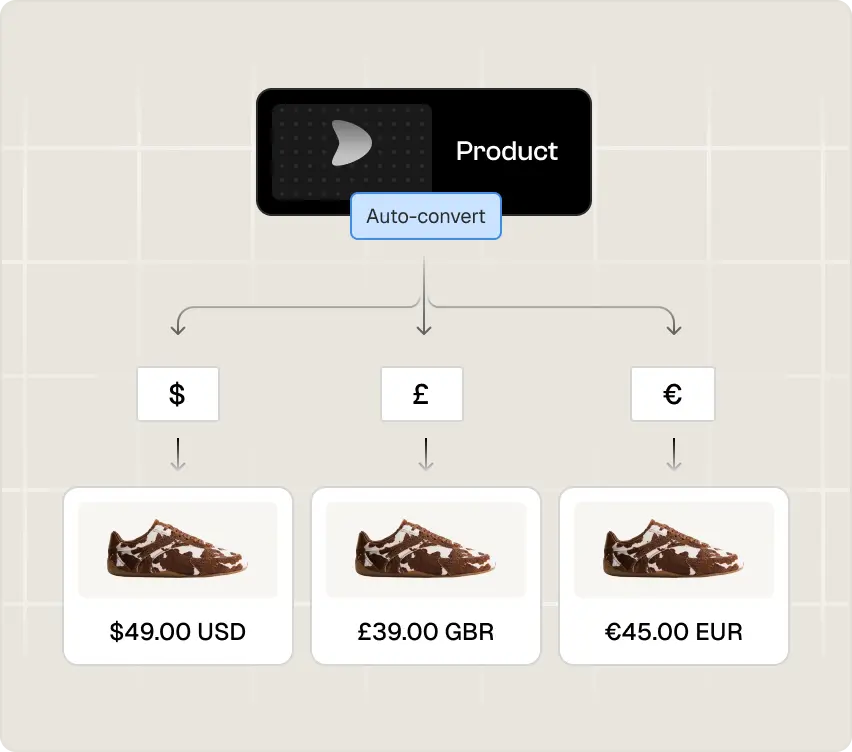
Multi-Currency Support
Accept payments and display prices in any currency. Configure base prices per currency or let market rules handle automatic conversion.
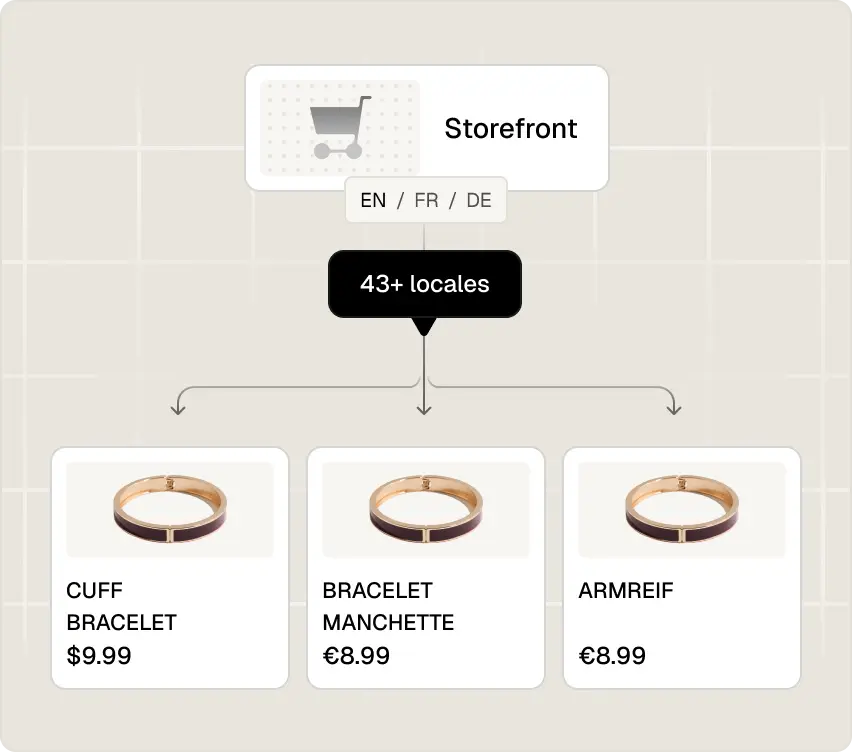
Multi-Language Storefronts
Serve fully translated storefronts per market with the built-in Translations Center. Bulk import and export product translations via CSV for dozens of languages.
Zone-Based Tax Calculation
Apply the correct tax rate by jurisdiction automatically. Built-in tax rules plus integrations with Avalara and TaxJar for real-time calculation.

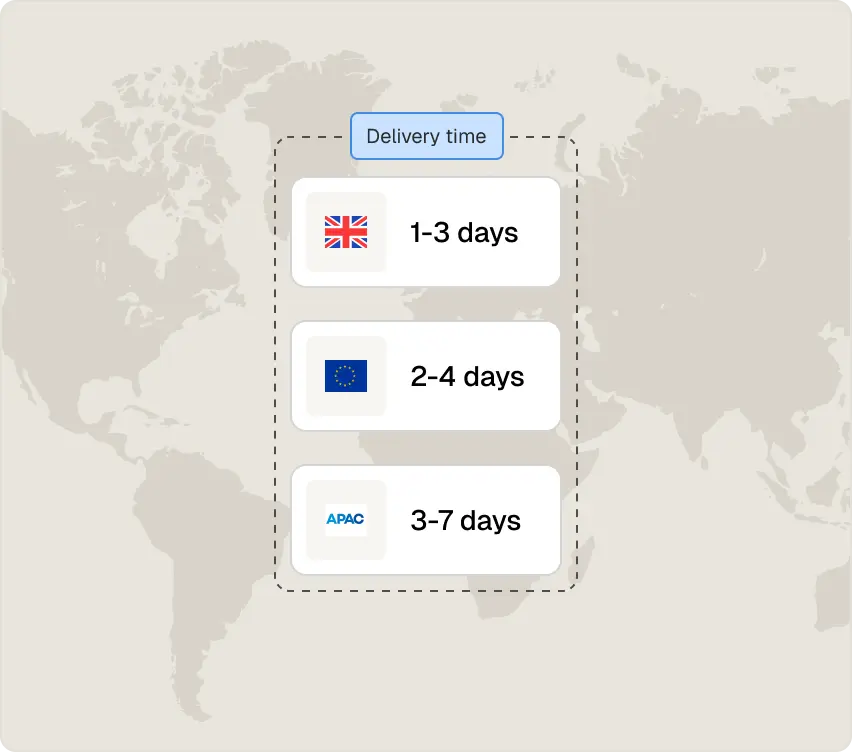
Regional Shipping Methods
Configure shipping carriers, rates, and delivery options per geographic zone. Weight-based, price-based, and flat-rate methods by region.
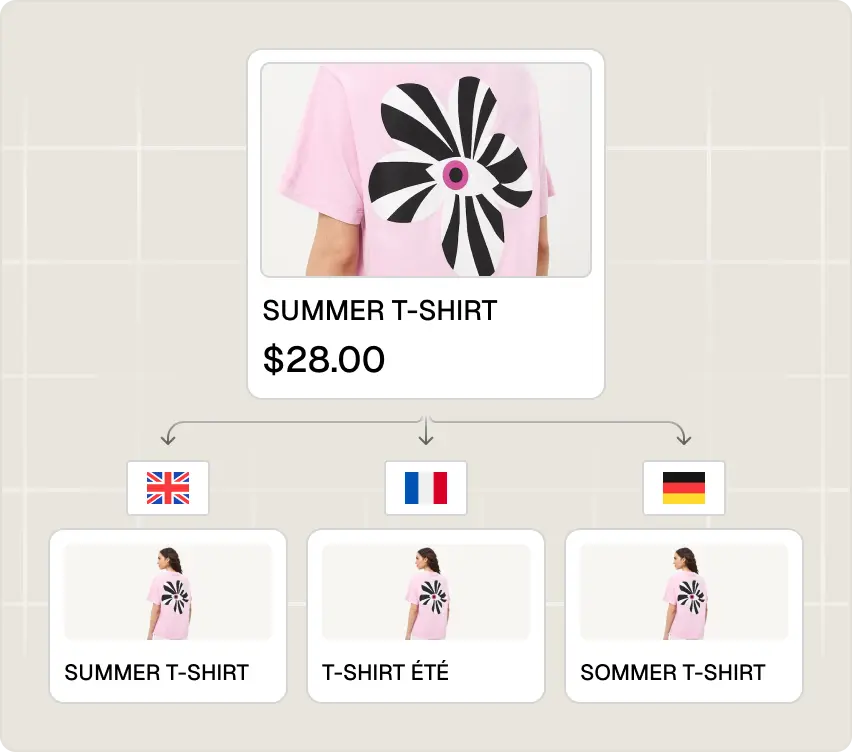
Localized Product Content
Translate product names, descriptions, and metafield values per market. Shoppers see content in their language without maintaining separate catalogs.
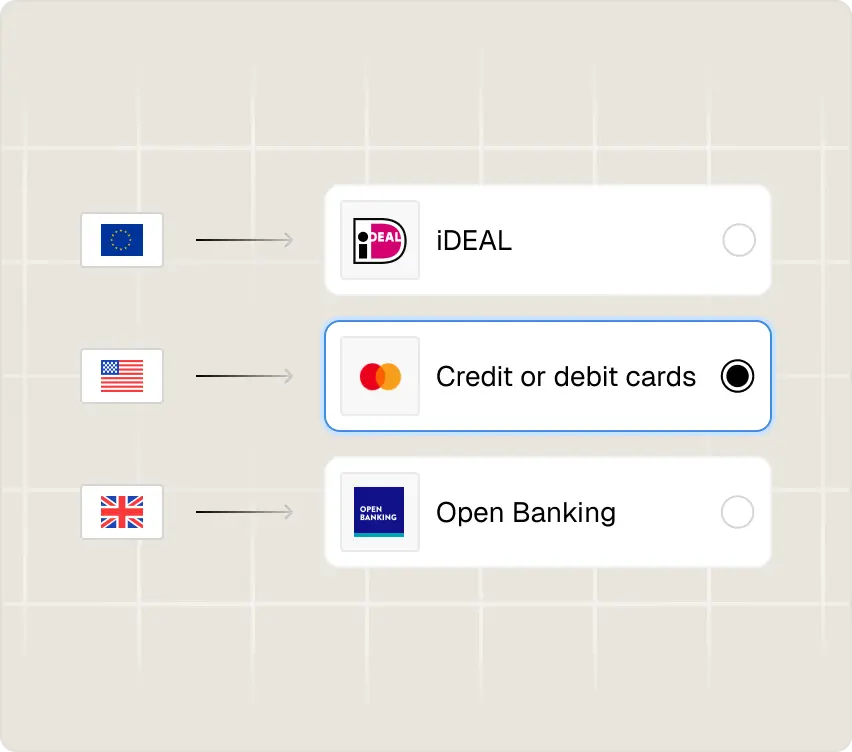
Per-Region Payment Methods
Enable different payment providers by market. Cards in North America, iDEAL in the Netherlands, Klarna in Germany, all from one admin.
Multi-Store by Region
Launch dedicated storefronts per country or region from a single instance. Each store carries its own currency, language, catalog, and checkout configuration.
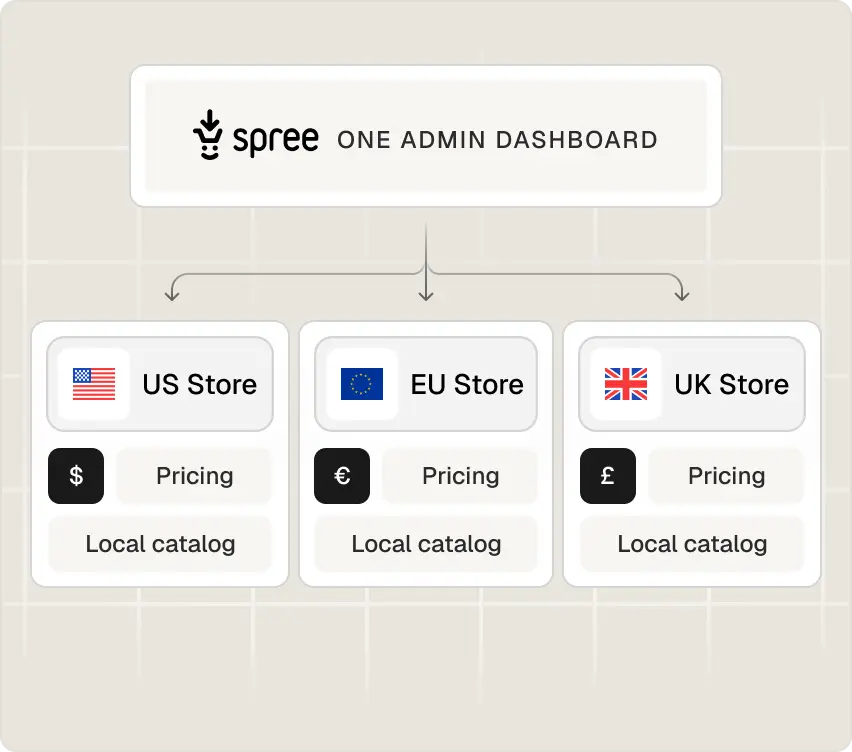

Powers 10,000+ online stores worldwide on Spree Commerce, serving small businesses across multiple regions from a single multi-tenant platform. Each merchant gets their own branded store with localized currency, tax rules, and shipping options while GoDaddy manages the entire fleet from one admin with multi-currency checkout and automated tax calculation across jurisdictions.
Promotion Engine
From coupon codes to multi-condition promotions. Configure rules, actions, and eligibility criteria or extend with custom logic.
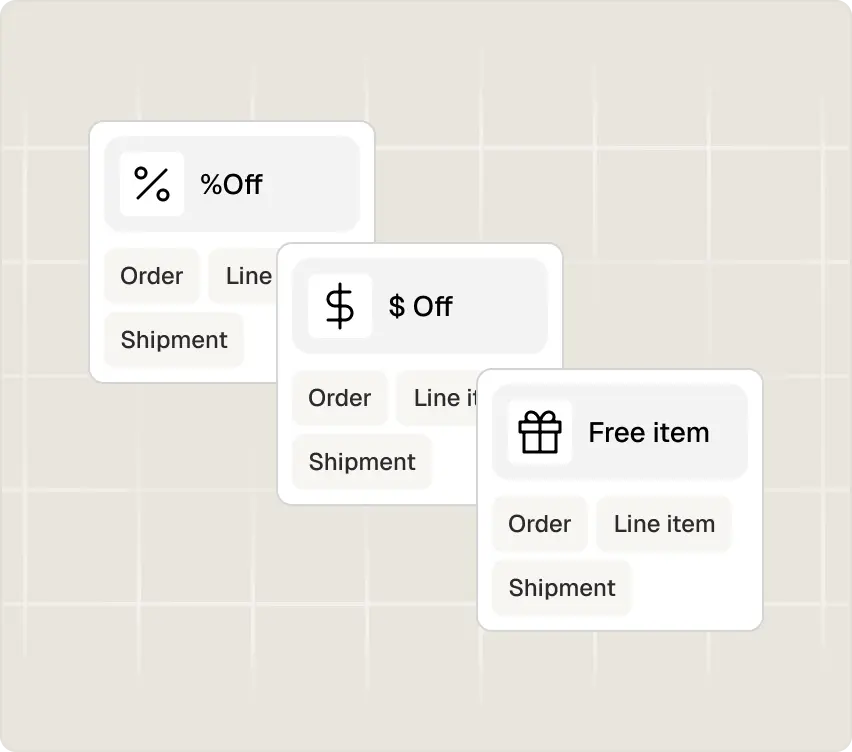
Flexible Discount Types
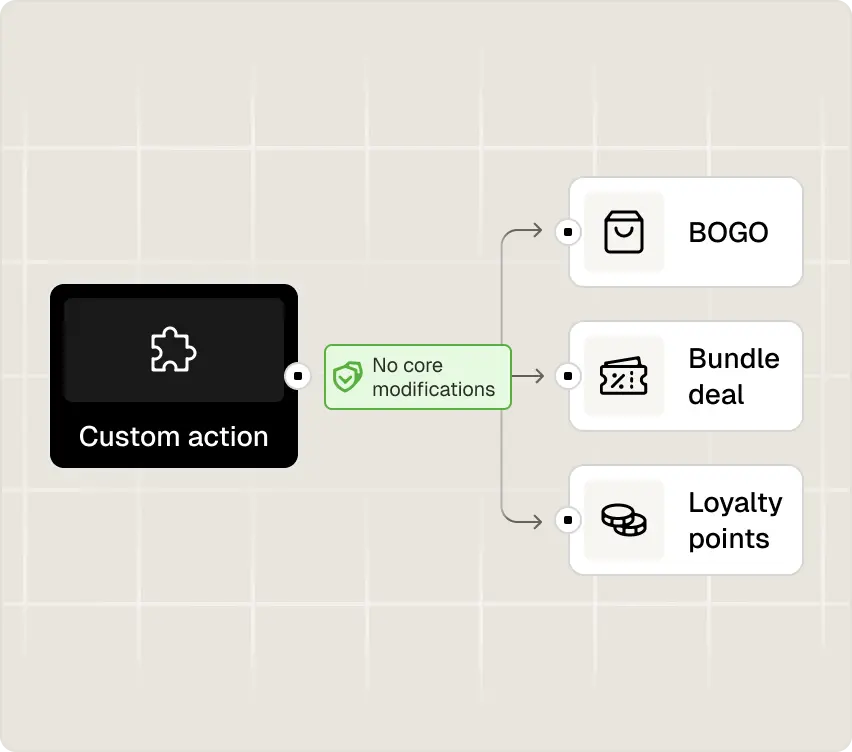
Apply percentage discounts, fixed amounts, BOGO offers, and bundle pricing. Mix discount types within a single promotion for creative campaign structures.
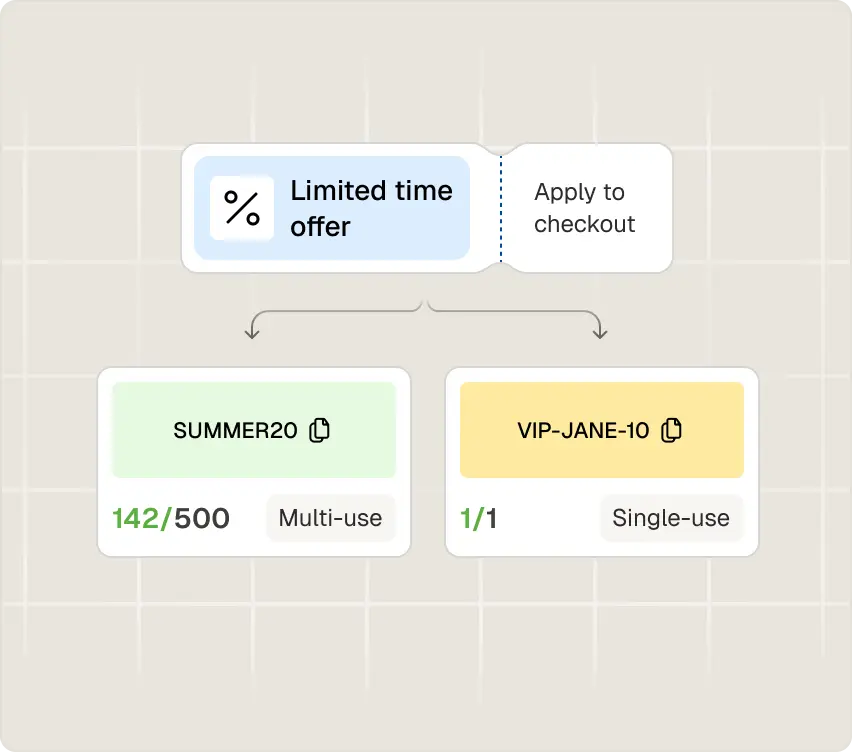
Coupon Code Management
Generate and distribute single-use or multi-use coupon codes. Track redemption rates, set usage limits, and expire codes on a schedule.
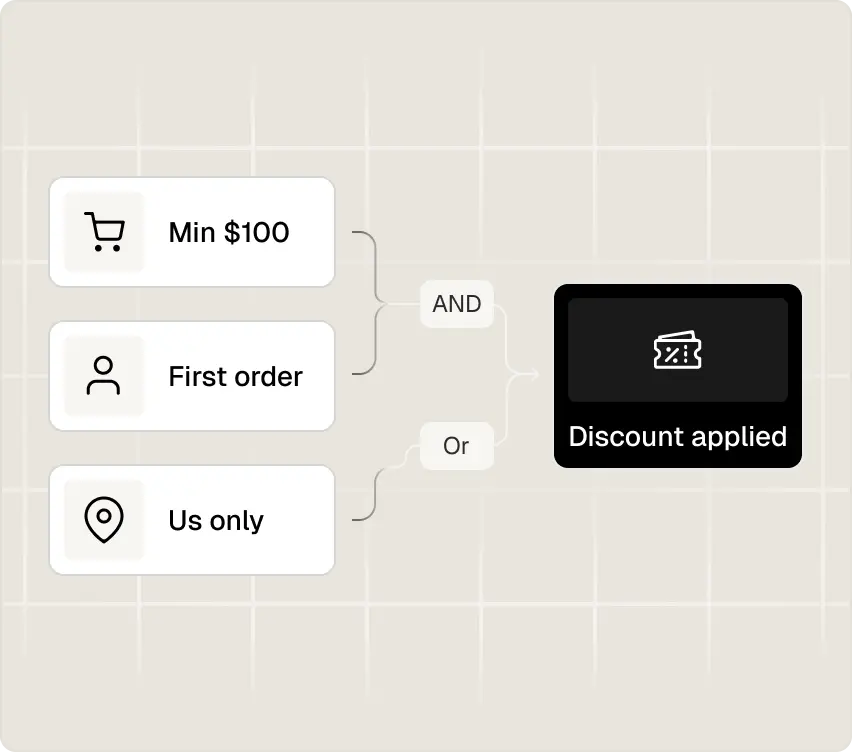
Conditional Rules Engine
Build promotion rules with multiple conditions: cart value, product category, customer segment, first purchase, and more. Stack conditions for precise targeting.
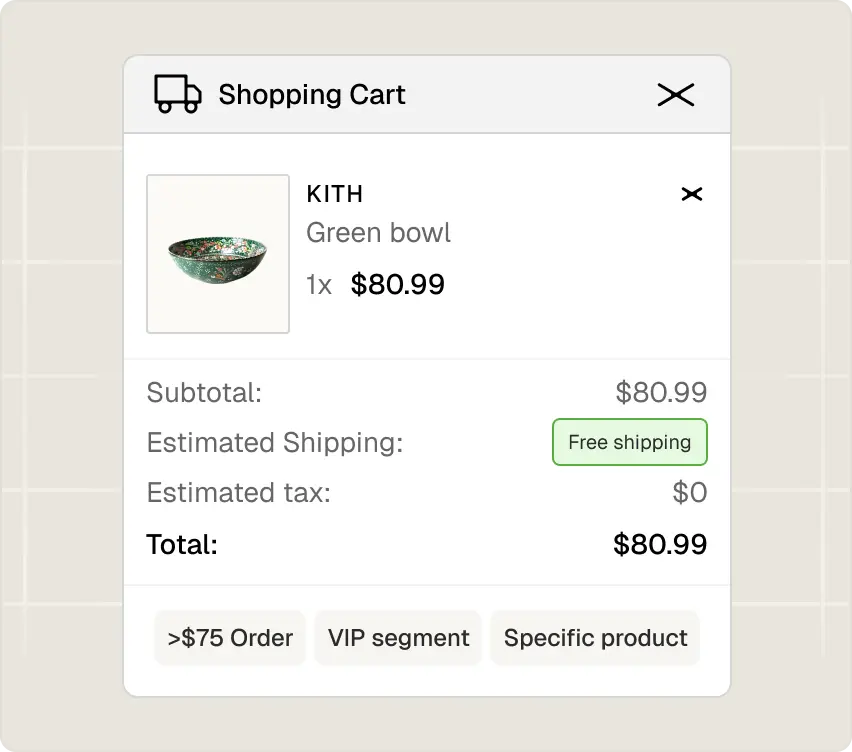
Free Shipping Promotions
Offer free shipping based on order value, product selection, or customer group. Combine with other promotions for compelling campaign bundles.
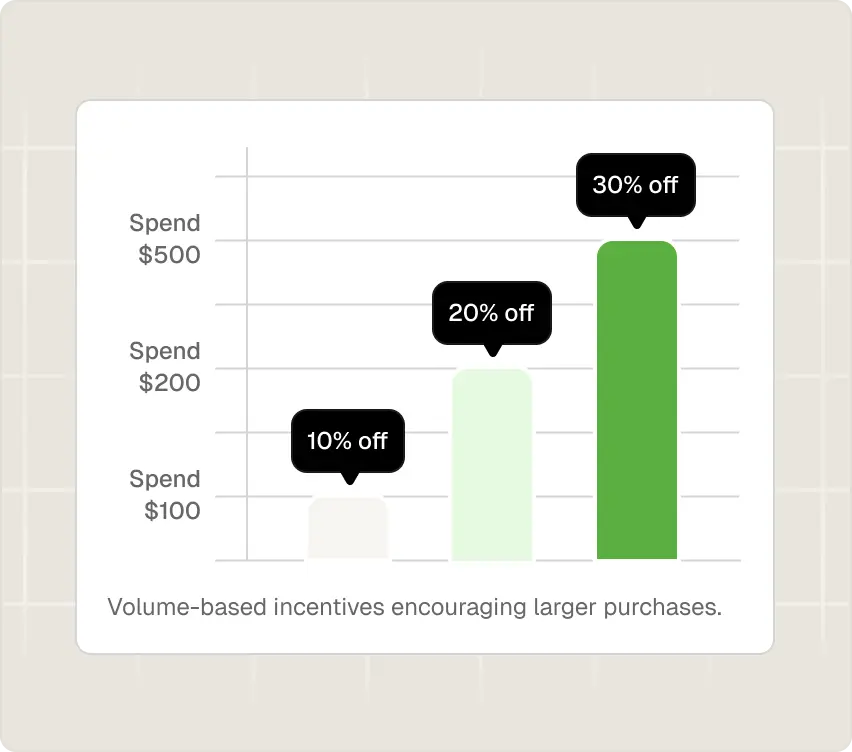
Tiered Discounts
Increase discount depth as cart value or quantity grows. Motivate larger orders with graduated savings thresholds.
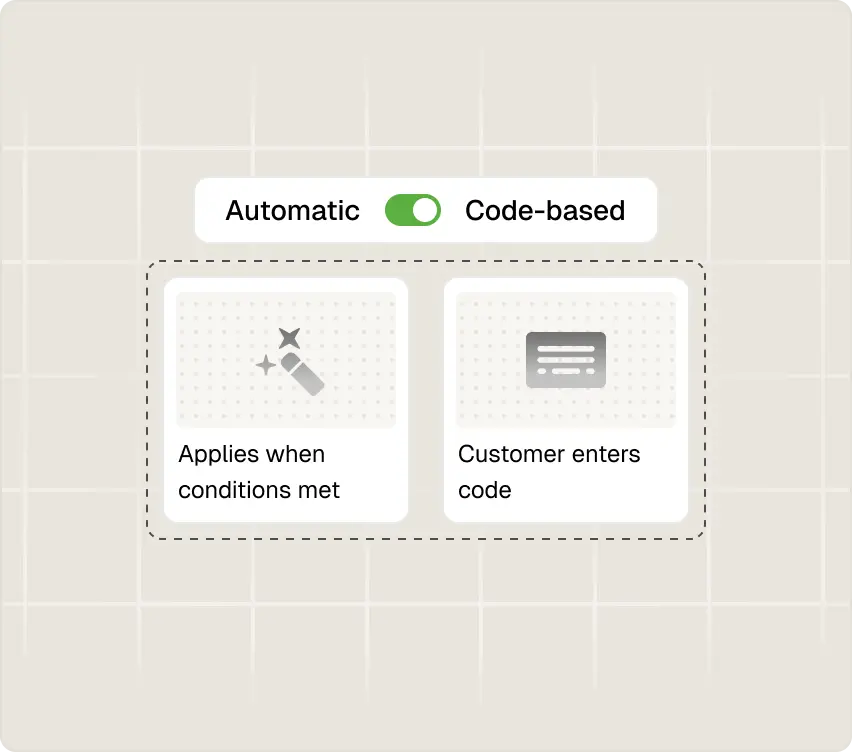
Automatic & Code-Based Activation
Choose between promotions that apply automatically at checkout and those requiring a code. Run both types simultaneously across campaigns.
Extensible Actions
Go beyond built-in discount types with custom promotion actions. Adjust vendor commissions, add free gifts, or trigger external workflows on promotion match.

Iconic American tool brand running 1,200+ professional-grade products on Spree Commerce for its direct-to-consumer online store. Craftsman uses Spree’s promotion engine for seasonal sales, bundle deals, and contractor loyalty pricing, with complex product relationships including tool-and-accessory kits, warranty registrations, and replacement part lookups.
Flexible Order Workflows
Every step from cart to fulfillment is customizable. Split shipments, route to warehouses, and handle returns through an extensible state machine.
Customizable Checkout Flow
Modify each step of checkout to match your business process. Add fields, skip steps, or inject custom validation without forking the core.
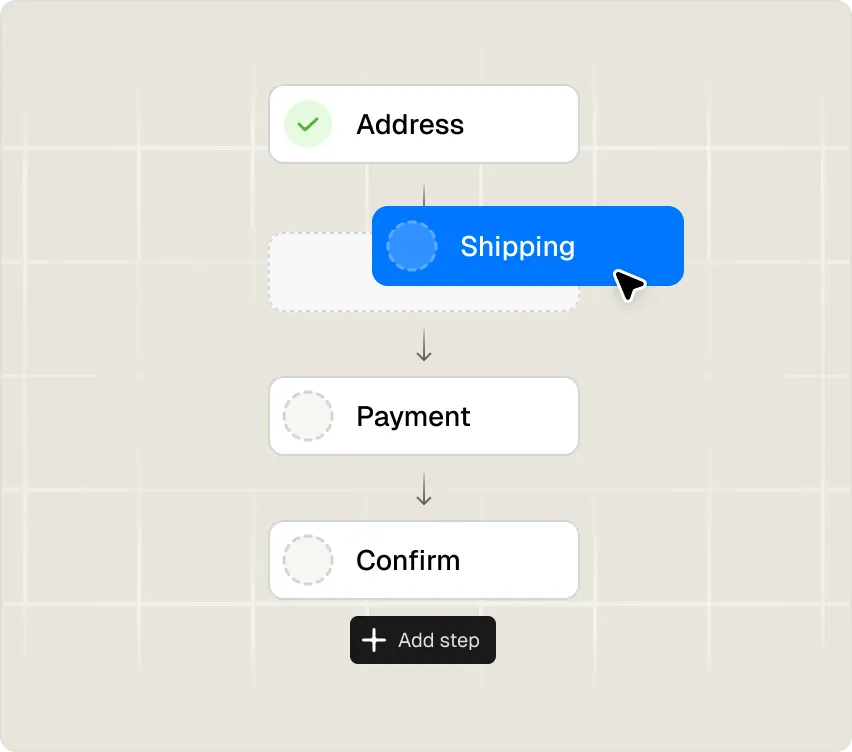
Order State Machine
Every order moves through a configurable state machine. Add custom states, transitions, and side effects to match your operational workflow.
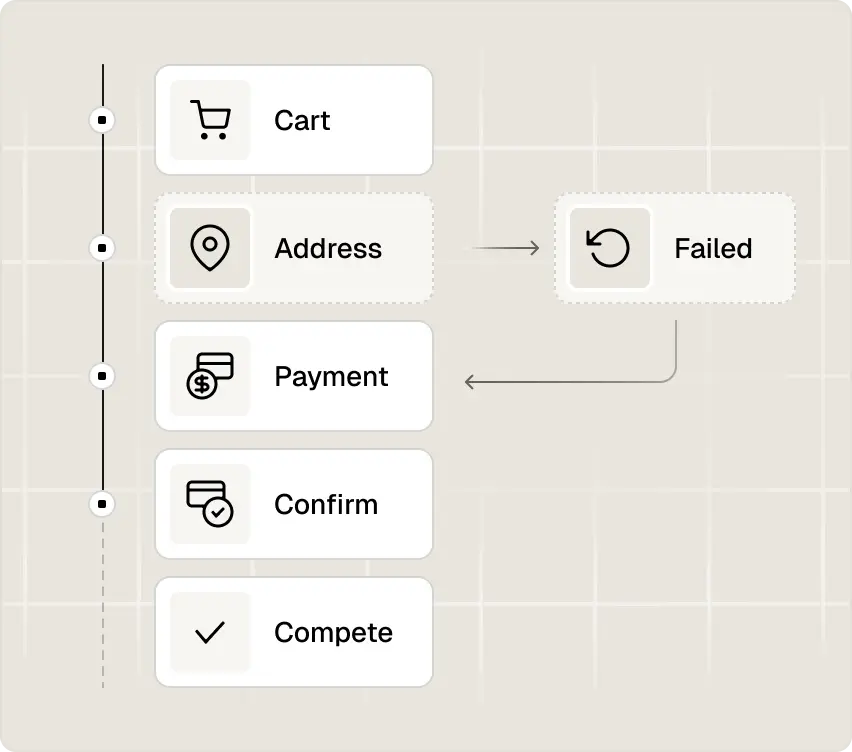
Split Shipments
Automatically split orders across shipments when items ship from different locations or on different schedules. Customers track each shipment independently.
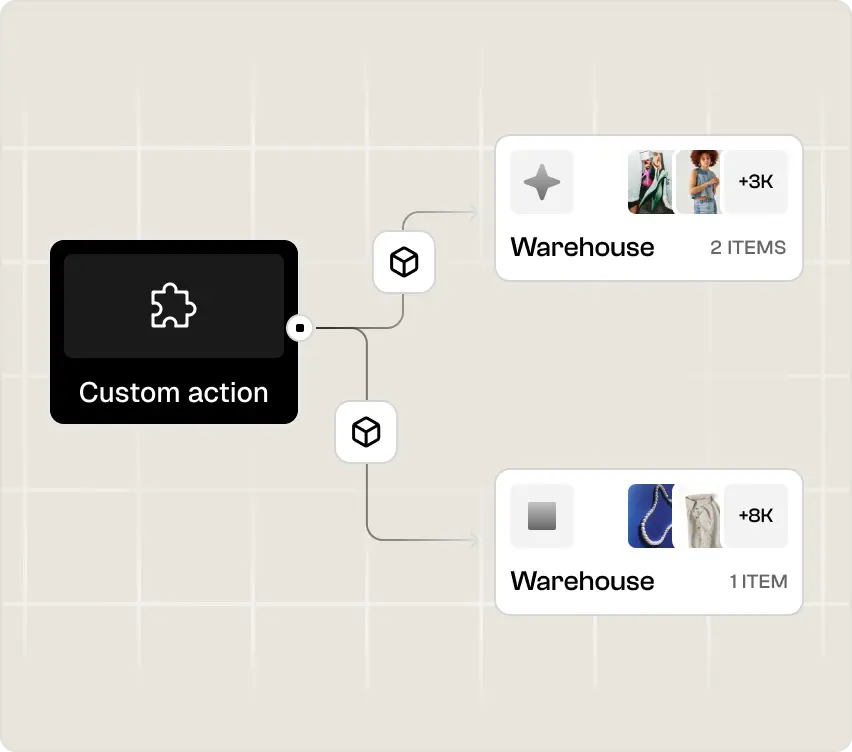
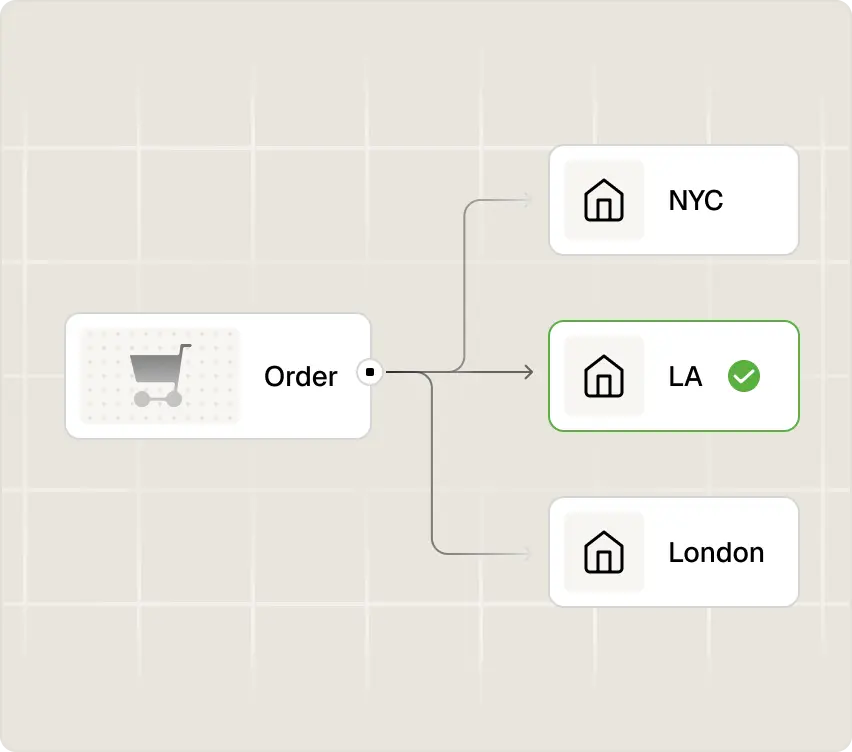
Multi-Warehouse Fulfillment
Route line items to the nearest warehouse or preferred fulfillment center. Stock availability and shipping zone rules determine the optimal split.
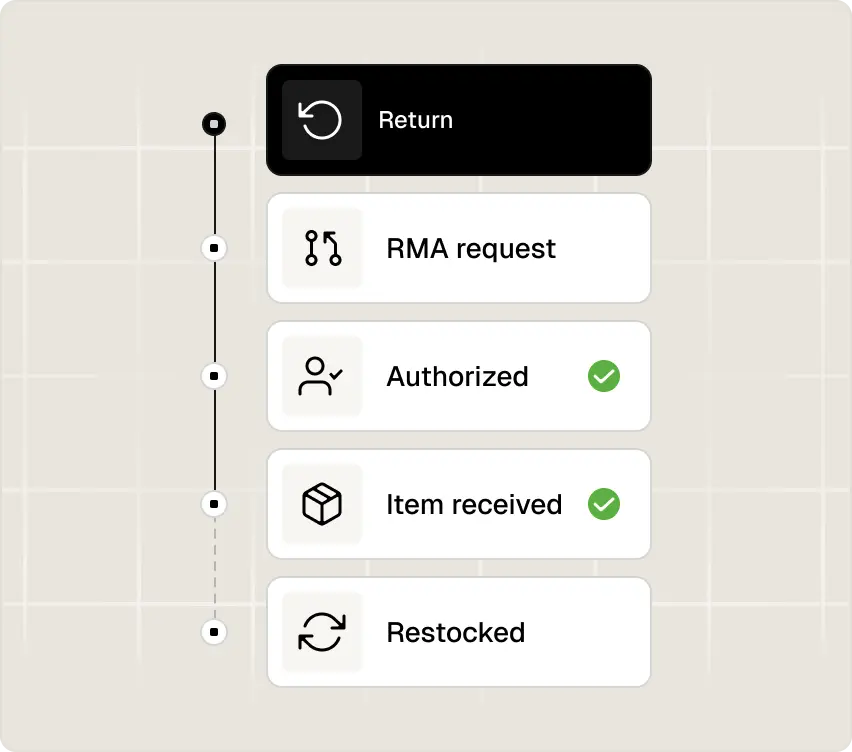
Returns & RMA Management
Process returns, exchanges, and refunds through a structured RMA workflow. Track return reasons, restock items, and issue credits from the admin.
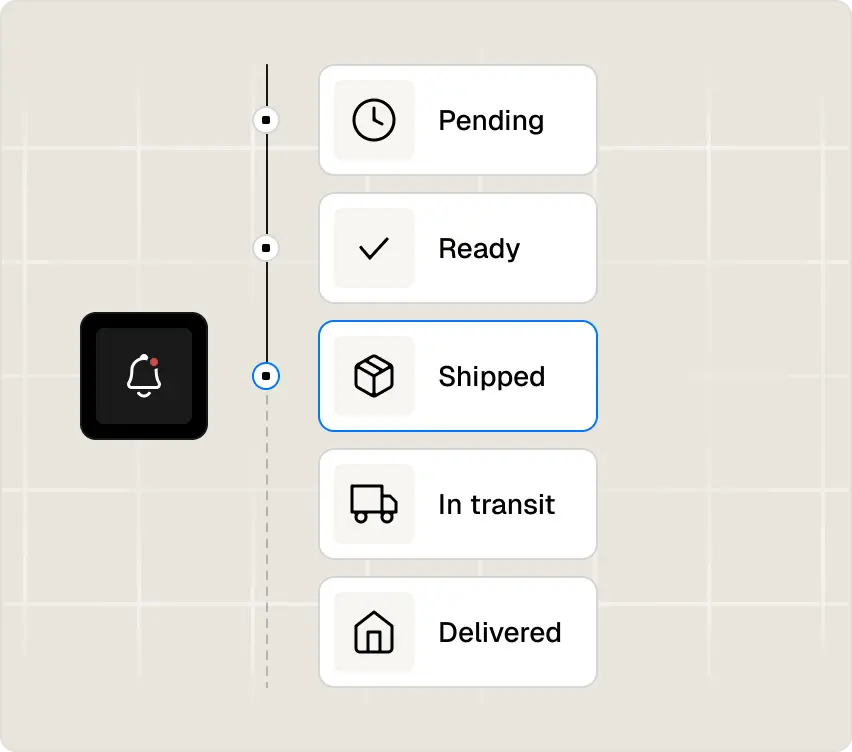
Shipment State Tracking
Monitor every shipment through its lifecycle from ready to shipped to delivered. Expose real-time tracking data via the API for customer-facing updates.
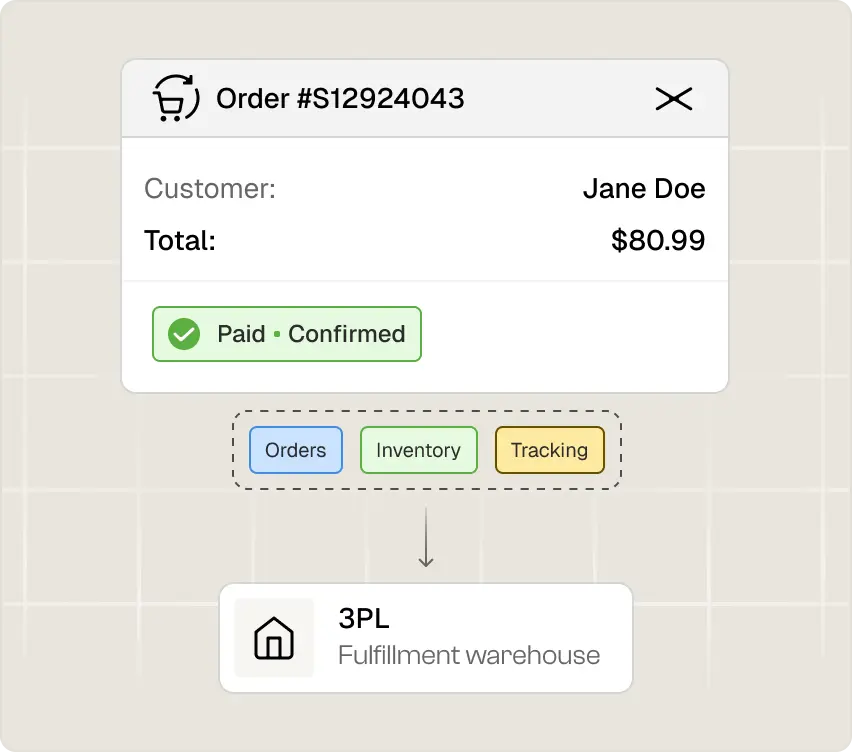
Third-Party Fulfillment
Connect external 3PL and fulfillment providers via webhooks and API events. Push orders out and receive status updates without custom middleware.

FreshRealm uses Spree Commerce multi-tenant eCommerce platform for its white-label meal subscription websites. The platform integrates FreshRealm’s production, inventory, and fulfillment systems, supporting direct-to-consumer operations. FreshRealm continues to work with Spree as a technology partner and endorses them for businesses seeking a customizable and enterprise-level eCommerce platform.
Eva Jakubowska, CTO @ FreshRealm
Sales Channels & Omnichannel
Sell across every channel from one backend. Your online store, point of sale, wholesale portal, and mobile app each carry their own catalog, schedule, and order attribution, with inventory and fulfillment managed centrally.
Sales Channels
Run your online store, point of sale, wholesale portal, and mobile app from one backend. Each channel carries its own product catalog, publication schedule, and order attribution.
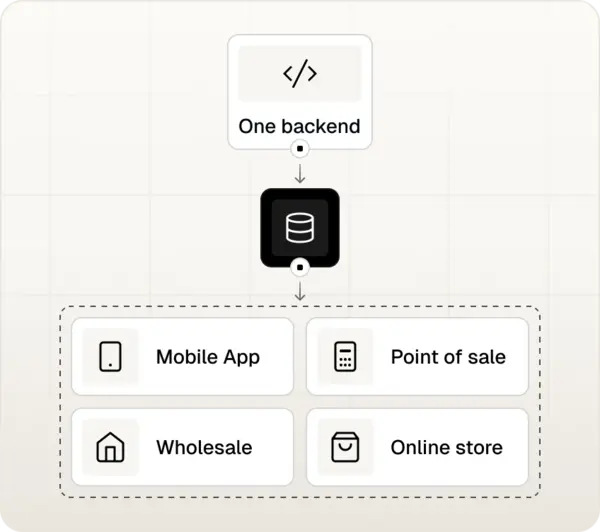
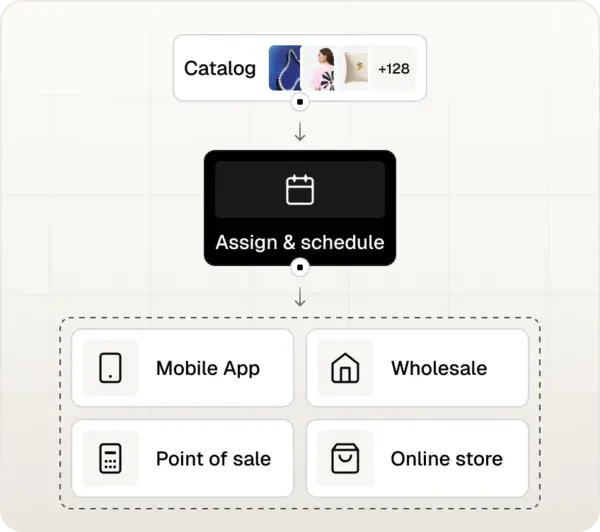
Per-Channel Catalogs
Assign products to specific channels and schedule when each goes live. Show a reduced range on a wholesale channel while the full catalog stays on your main storefront.
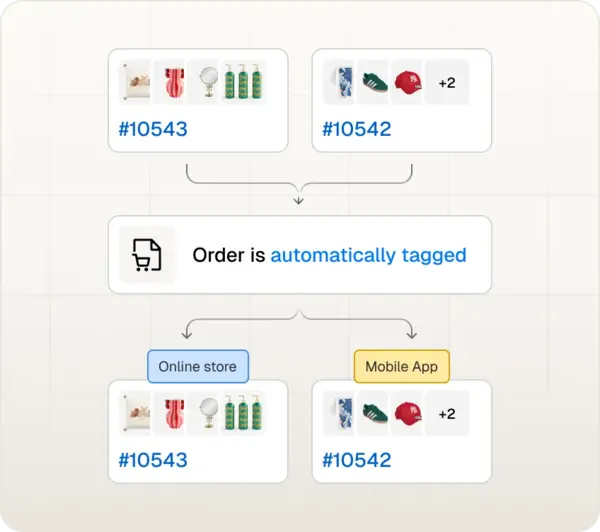
Order Attribution
Every order is tagged to the channel it came from automatically, so you can filter, report, and route fulfillment by channel with no manual tagging.
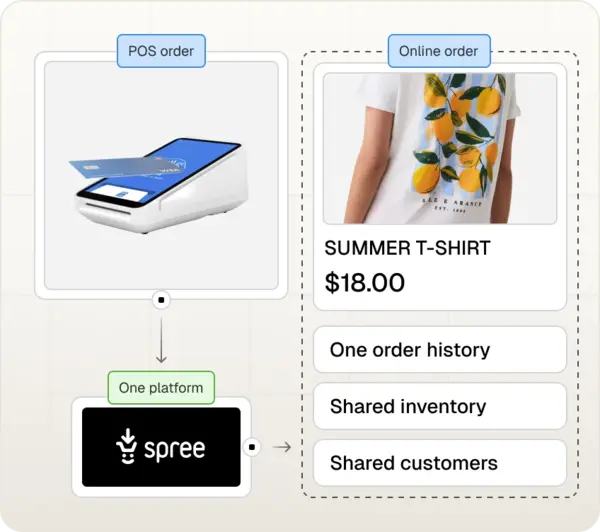
Point of Sale
Bring in-person sales onto the same platform as your online store. POS orders flow into one order history with shared inventory and customer records.
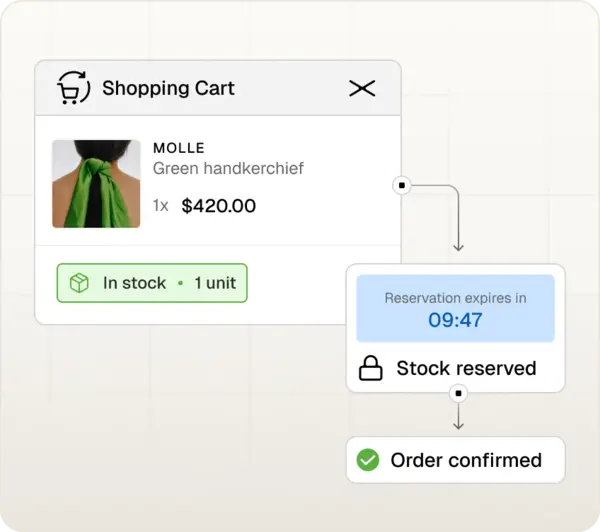
Stock Reservations
Hold cart stock the moment a shopper enters checkout, so two buyers never compete for the last unit. The reservation window is configurable and releases automatically when checkout is abandoned.
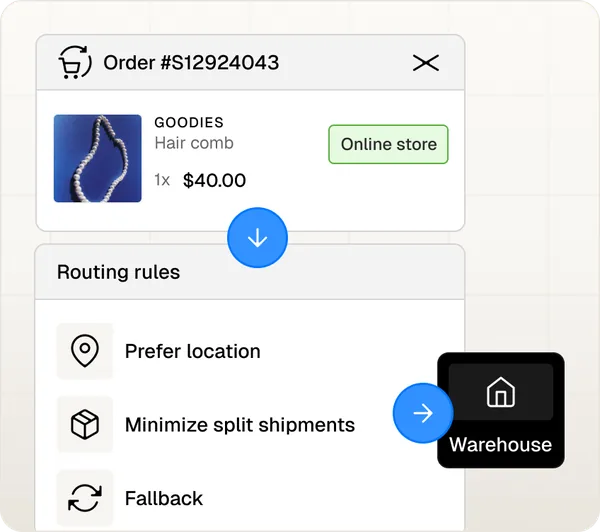
Order Routing
Decide which warehouse fulfills each order with rules you can reorder and extend: prefer a location, minimize split shipments, or fall back to a default. Routing is scoped per channel.
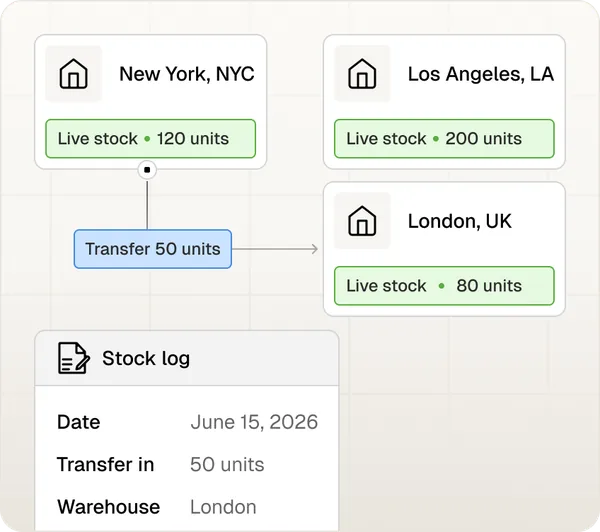
Multi-Warehouse Inventory
Track stock across every location in real time, move inventory between warehouses, and review a full log of every stock change.
FreshRealm uses Spree Commerce multi-tenant eCommerce platform for its white-label meal subscription websites. The platform integrates FreshRealm’s production, inventory, and fulfillment systems, supporting direct-to-consumer operations. FreshRealm continues to work with Spree as a technology partner and endorses them for businesses seeking a customizable and enterprise-level eCommerce platform.
Eva Jakubowska, CTO @ FreshRealm
Checkout & Payments
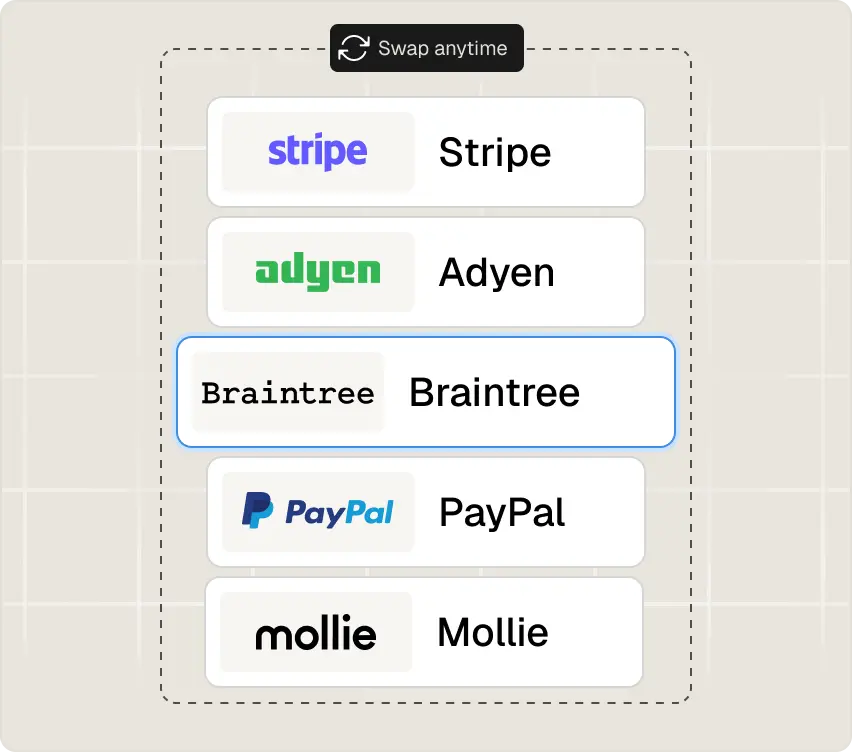
Stripe, Adyen, Apple Pay, Google Pay, and regional methods through the Payment Sessions API. One checkout integration that works regardless of provider, configured from Admin with no custom code.
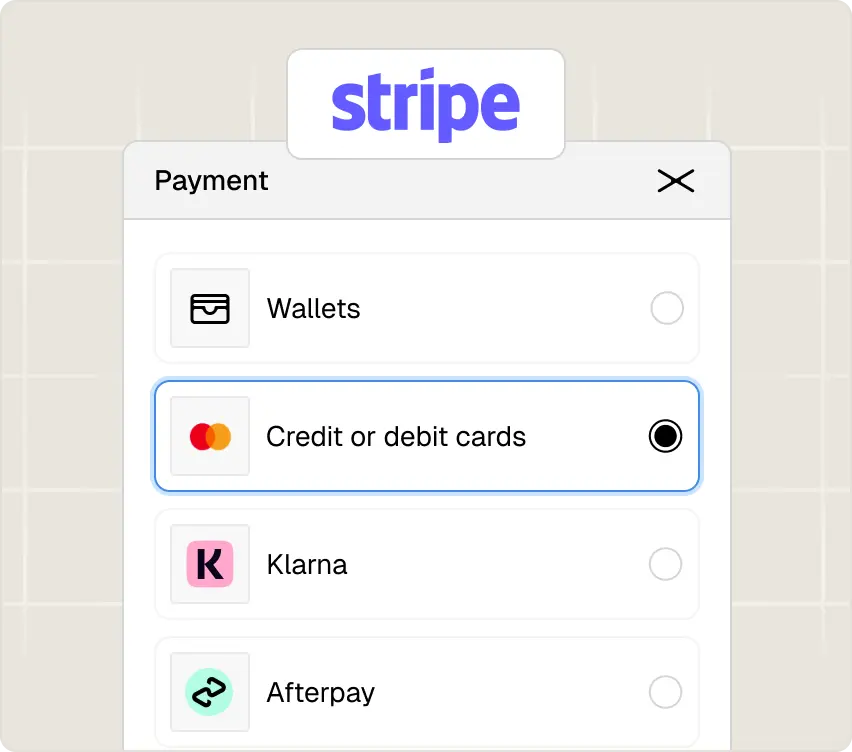
Native Stripe Integration
Accept cards, wallets, and local payment methods through Stripe with no custom code. Self-serve setup from the admin panel with Payment Sessions handling the flow.
Apple Pay & Google Pay
Enable one-tap checkout with Apple Pay and Google Pay. Configured through your payment provider, no additional integration work required.

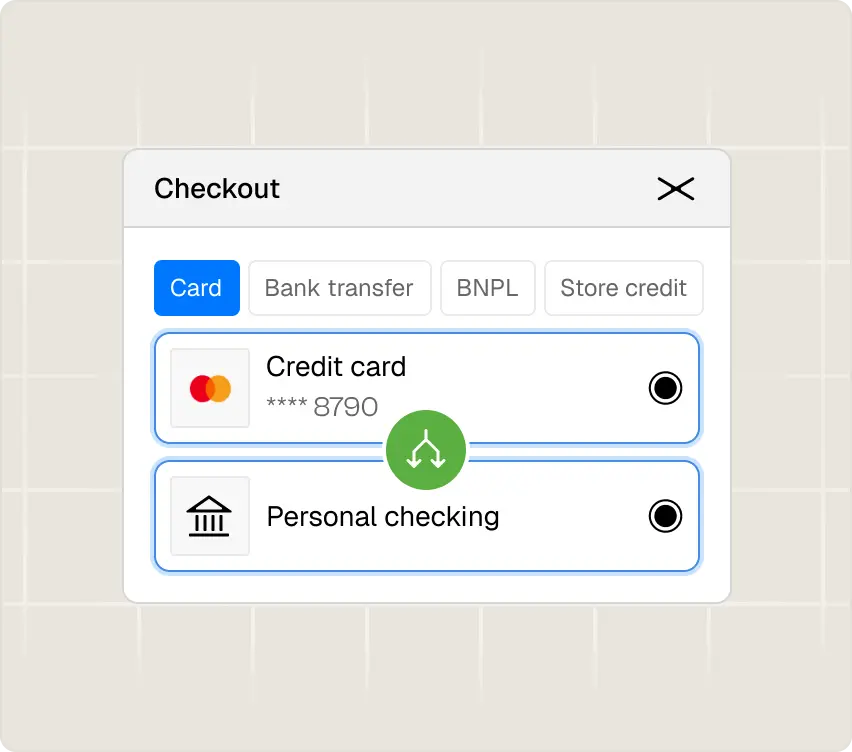
Multiple Payment Methods
Let customers split payments across methods or choose from cards, bank transfers, and buy-now-pay-later options in a single checkout.
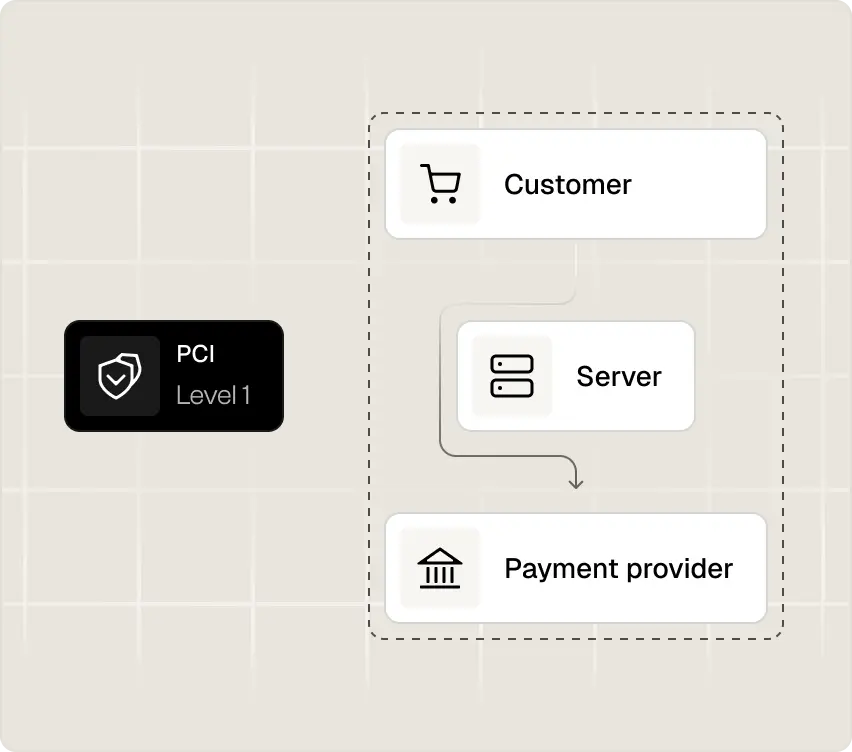
PCI-Compliant by Design
Sensitive payment data never touches your servers. Tokenized checkout via Stripe Elements and Payment Sessions keeps you PCI-compliant out of the box.
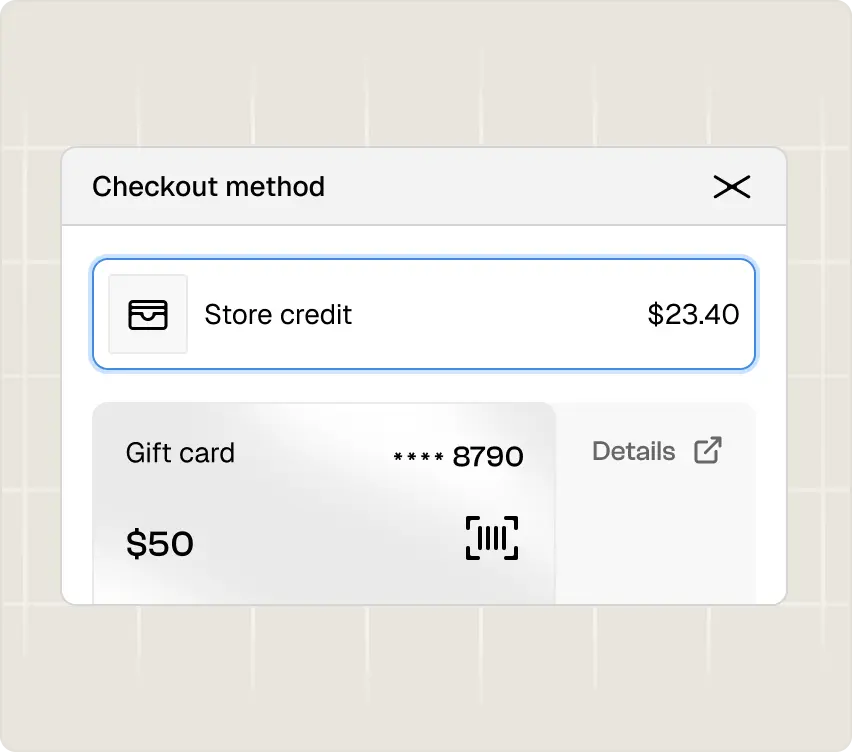
Gift Cards & Store Credit
Sell digital gift cards and issue store credit for returns or loyalty rewards. Customers apply balances at checkout alongside other payment methods.
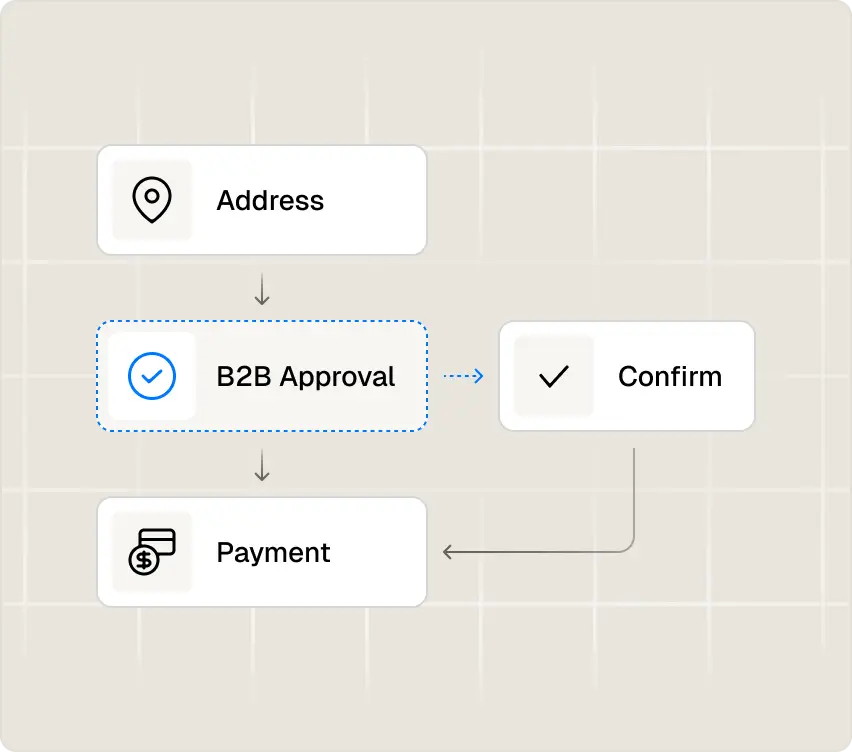
Customizable Checkout Flow
Adapt the checkout experience per store, market, or customer segment. Add custom steps, fields, or payment options without modifying the core.
Multi-Gateway Support
Run multiple payment gateways simultaneously. Route transactions by geography, amount, or payment method to optimize processing costs and approval rates.

We integrated Spree’s REST API into our mobile app to bring a full marketplace shopping experience to our users connecting multiple vendors, including Shopify stores, into one seamless checkout. The API documentation was clear, the endpoints did what we needed out of the box, and we had our first vendor live in days, not months.
Antoine Lavail, CTO @ VERO
Developer Experience & AI-Ready APIs
Everything a developer or an AI agent needs to build on the platform. Typed REST APIs for the storefront and the back office, code generators, and agent tooling that produces convention-correct code from the first prompt.
Store API
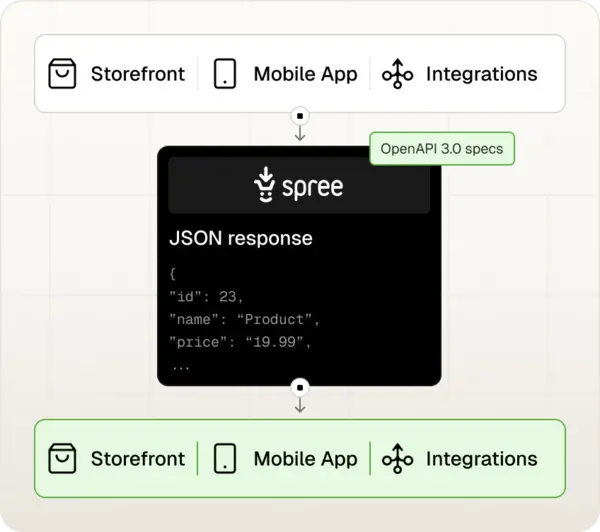
A REST API with flat JSON responses and OpenAPI 3.0 specs powers any storefront, mobile app, or integration.
Admin API
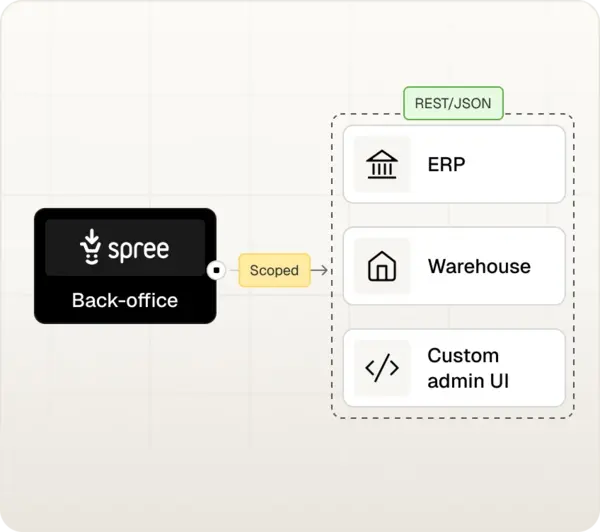
A typed REST API for the whole back office: catalog, orders, customers, promotions, and webhooks. Scoped secret keys limit each integration to exactly the data it needs.
TypeScript SDKs
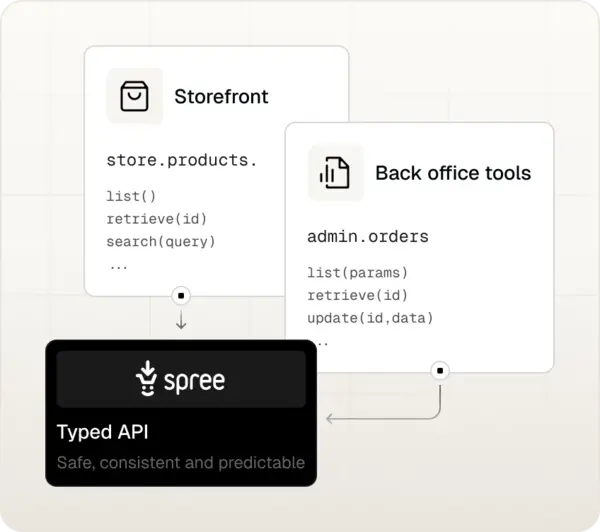
Fully-typed SDKs for the Store and Admin APIs give you autocomplete for every endpoint, in your storefront and your back-office tools alike.
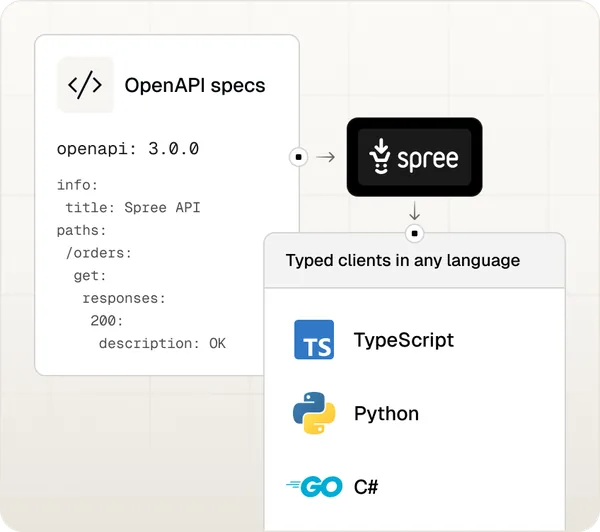
OpenAPI 3.0 & Codegen
Generate typed clients in any language from the published OpenAPI specs, so mobile and integration teams move fast without hand-written wrappers.
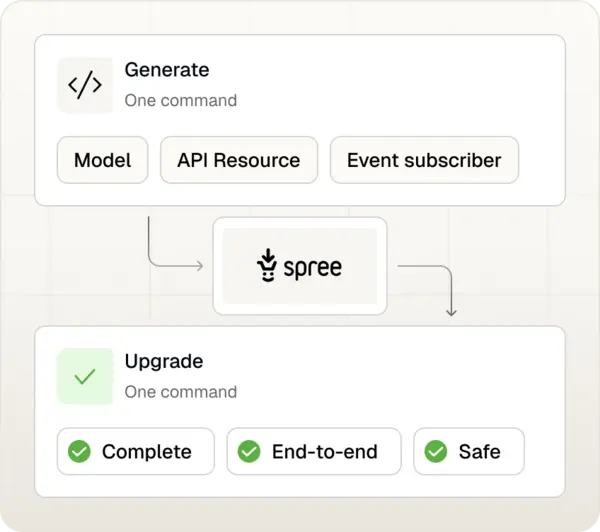
CLI & Code Generators
Scaffold a model, a full API resource, or an event subscriber in one command, and run version upgrades end to end with a single upgrade command.
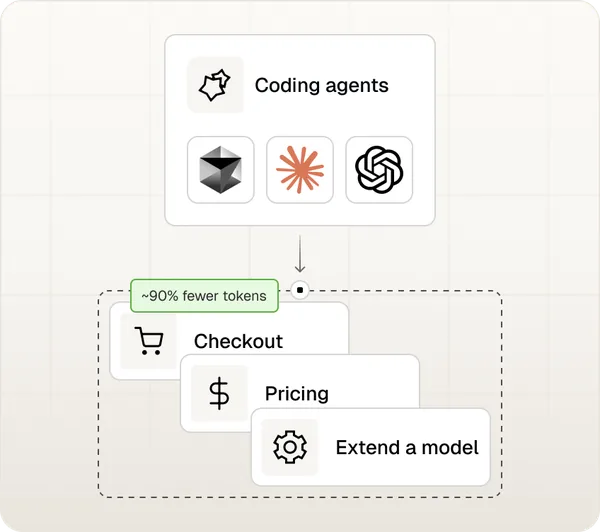
AI Agent Skills
Installable skills teach coding agents like Claude Code, Cursor, and Codex the platform conventions, so they produce convention-correct code and use far fewer tokens.
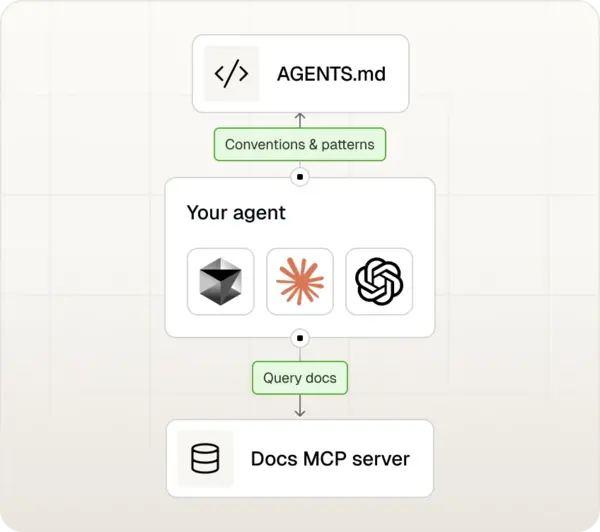
MCP Server & AGENTS.md
A documentation MCP server and machine-readable conventions let your agent query the platform directly while it builds.
FreshRealm uses Spree Commerce multi-tenant eCommerce platform for its white-label meal subscription websites. The platform integrates FreshRealm’s production, inventory, and fulfillment systems, supporting direct-to-consumer operations. FreshRealm continues to work with Spree as a technology partner and endorses them for businesses seeking a customizable and enterprise-level eCommerce platform.
Eva Jakubowska, CTO @ FreshRealm
Frequently Asked Questions
Can AI coding agents build and customize an open source ecommerce platform?
Yes. Coding agents perform better on platforms with typed REST APIs, predictable conventions, and machine-readable docs they can read while building. Installable agent skills teach those conventions so the output is convention-correct with far less trial and error. Spree Commerce provides Store and Admin REST APIs, TypeScript SDKs, and installable agent skills for AI-assisted development.
Can one ecommerce backend run a website, wholesale portal, and point of sale?
Yes. A sales-channel model lets a single backend power several storefronts at once, each with its own catalog, publication schedule, and order attribution, while inventory and fulfillment stay centralized. Every order is tagged to its channel automatically for reporting and routing. Spree Commerce includes Sales Channels with per-channel catalogs and order routing in its open source core.
Can you run multiple online stores from one ecommerce platform?
Yes. Spree Commerce supports multi-store operations from a single instance. Each store gets its own catalog, pricing, checkout flow, payment methods, and domain, while sharing a single admin dashboard and codebase. This model works for multi-brand portfolios, franchise networks, and regional storefronts serving different markets from one infrastructure.
How does open source ecommerce handle payment processing?
Open source platforms give you full control over payment provider selection. Spree Commerce uses a Payment Sessions API that abstracts Stripe, Adyen, and other providers behind a single checkout integration. Swapping providers does not require changing your checkout code. Apple Pay, Google Pay, Klarna, and regional methods are all supported through Admin configuration.
What ecommerce platforms have a REST API with a TypeScript SDK?
Most headless commerce platforms rely on GraphQL, which adds complexity for mobile teams and SaaS integrations. Spree Commerce provides a production-grade REST API with flat JSON responses, OpenAPI 3.0 specs for typed client generation in any language, and an official TypeScript SDK with full autocomplete and type safety for Next.js storefronts.
Can an open source ecommerce platform replace Shopify Plus?
Yes. Teams outgrowing Shopify Plus typically need custom checkout flows, freedom from transaction fees, and control over their data and hosting. Spree Commerce provides all three: a fully customizable checkout through the Payment Sessions API, zero platform or transaction fees as an open-source platform, and deployment on any infrastructure.
How do you manage cross-border ecommerce with multiple currencies and languages?
Cross-border ecommerce requires per-market currencies, localized product content, zone-based tax rules, and region-specific payment and shipping methods. Spree Commerce handles this through Markets, which bundle geography, currency, language, and pricing into a single configuration. The Translations Center supports bulk import and export for translating thousands of products.
What features should a multi-vendor marketplace platform include?
A multi-vendor marketplace platform needs vendor onboarding, per-vendor dashboards, multi-party checkout, automated commission management, and split payouts. Spree Commerce ships all of this natively, including Stripe Connect and Adyen for Platforms integrations for automated vendor payouts. Vendors can sync products from existing Shopify or WooCommerce stores.
How does a headless ecommerce platform handle B2B and B2C on one system?
A headless platform with native B2B support lets you run wholesale portals with buyer organizations, approval workflows, and contract pricing alongside your direct-to-consumer storefront. Spree Commerce includes price lists, customer segments, and gated catalogs out of the box, so you serve both channels from a single backend without duplicating infrastructure.
What is an open source headless ecommerce platform?
An open source headless ecommerce platform separates the commerce engine from the storefront, letting you build any customer-facing experience while keeping full control of the source code. Spree Commerce delivers this through a production-grade REST API, a TypeScript SDK, and a Next.js storefront starter you can fork and ship in days.