

Multi-Tenant eCommerce
Launch Your Own Multi-Tenant eCommerce Platform
Host hundreds of stores from a single Spree Commerce instance. Each tenant gets an independent storefront, admin panel, and API. Built for SaaS platforms, franchise networks, and resellers.
Used by over 5K businesses worldwide
Brands that have built on Spree Commerce














Brands like Bookshop, Bonobos, GoDaddy, KFC, Mitchells, Blue Apron, and DieHard have built ecommerce on Spree Commerce, alongside 5,000+ other businesses worldwide.
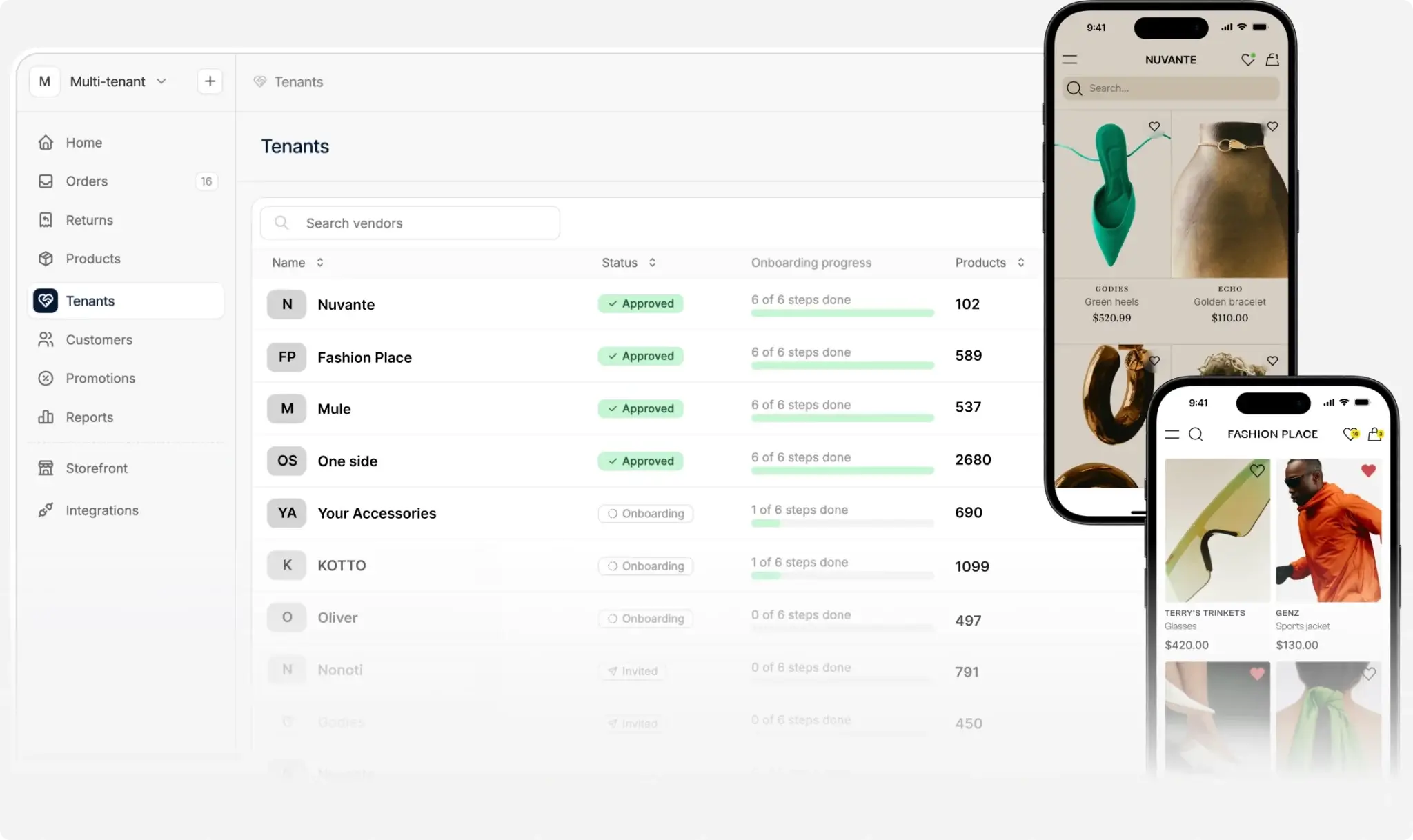
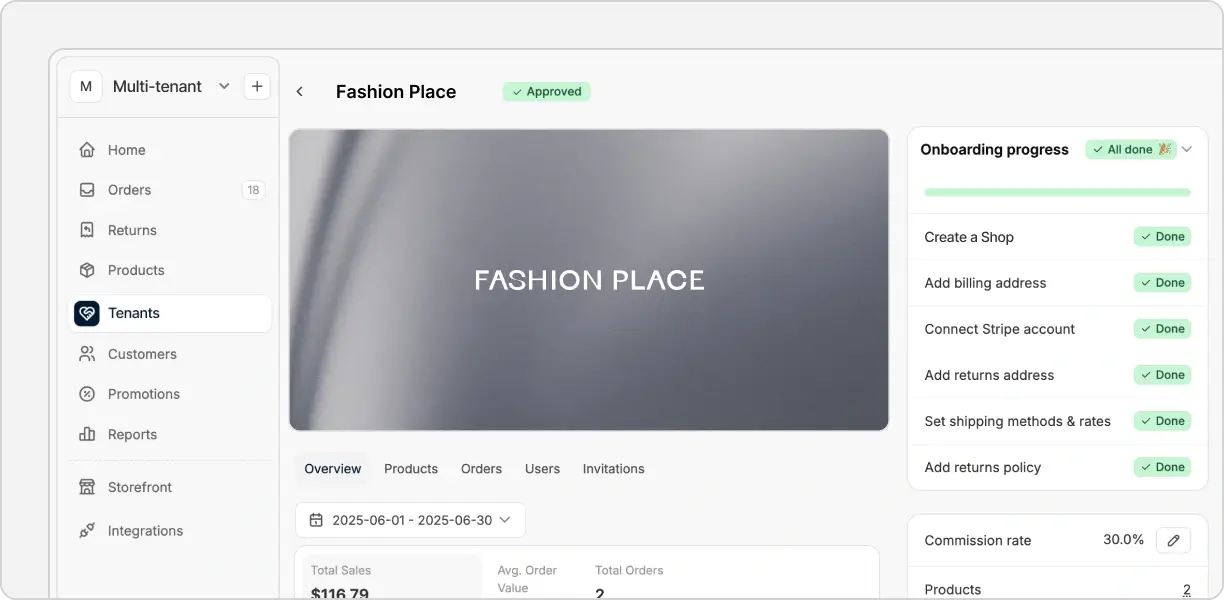
Create, configure, and manage tenant stores with global settings and tenant-specific overrides. Use Markets to configure each tenant’s currencies, languages, and shipping zones independently.
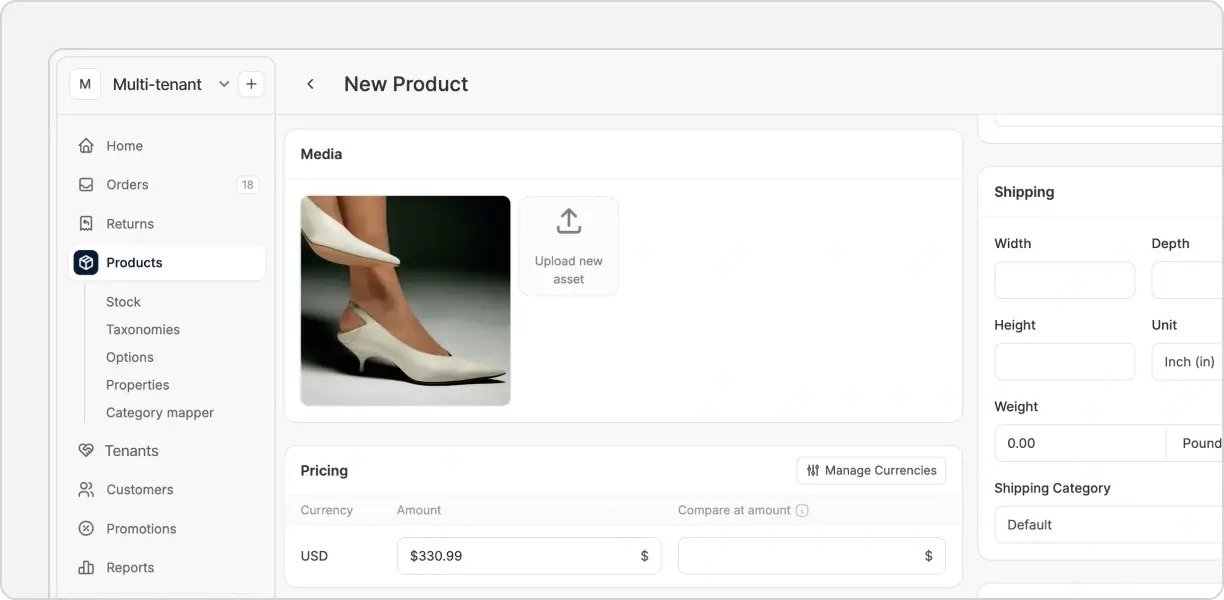
Offer a centralized product catalog for tenants or allow independent tenant catalogs. Use Price Lists to set per-tenant pricing rules, volume discounts, and wholesale tiers.

Build self-service signup flows or invitation-only provisioning.

Customize admin UI, emails, and storefronts for a fully white-labeled SaaS experience.

Implement per-tenant billing via subscription plans, commission-based fees, or hybrids.

Monitor tenant activity, revenue, and KPIs across all stores.

Tenant Store Management Options
Manage tenant stores individually by logging into each admin dashboard or through a centralized multi-admin interface for global actions.

Centralize fulfillment operations (e.g., from multiple store locations each) or allow tenants to manage their own shipping and logistics.
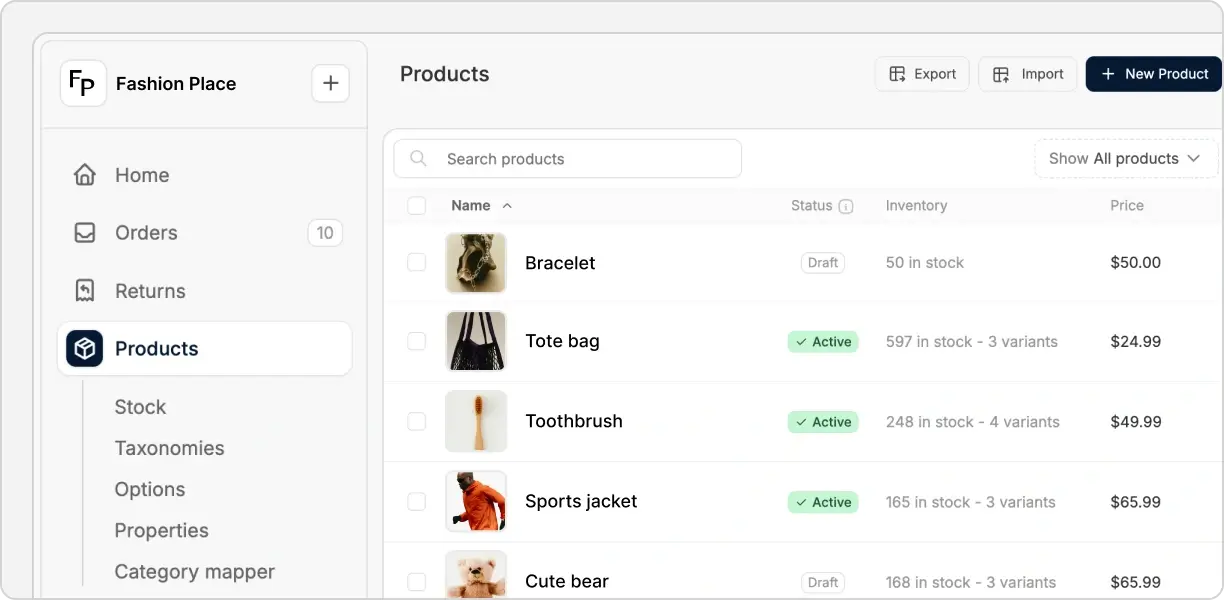
Tenants can manage products, orders, customers, promotions, and reports from a tenant dashboard. Customize the tenant experience to your use case.
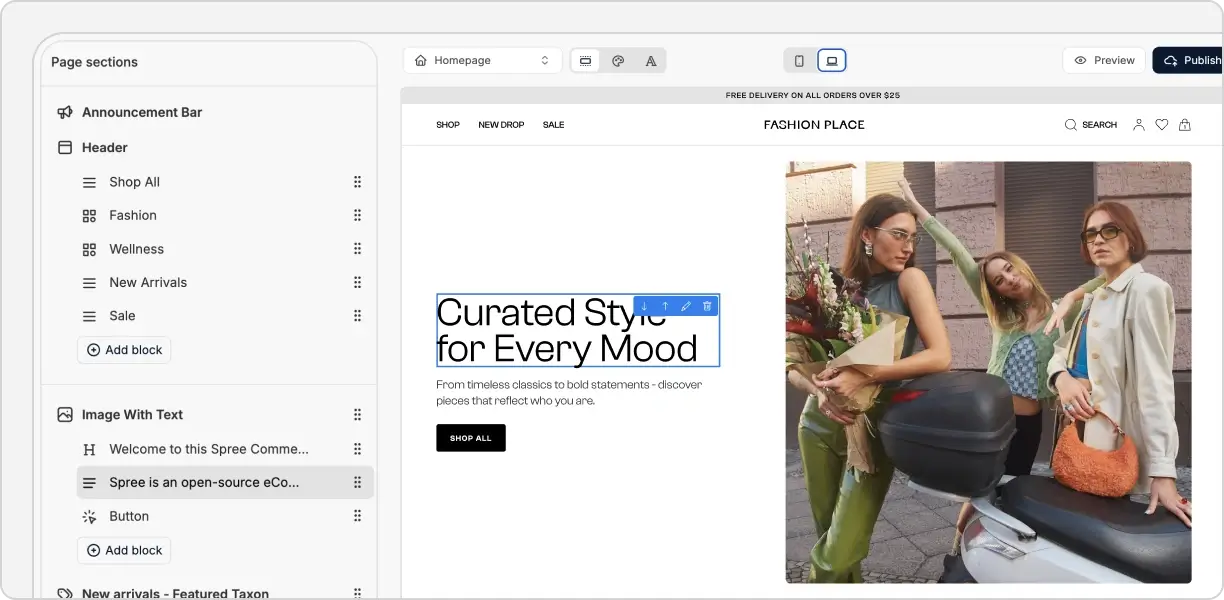
Tenants can customize branding, logos, colors, and layouts of their storefront. They can also add new landing pages and rearrange module layout of each page.

Define tenant-specific shipping zones, rates, carriers, and fulfillment policies.

Tenants can manage their own privacy policies, terms and conditions, and return policies.

Access tenant-scoped dashboards for sales, orders, and fulfillment insights.

Create tenant-specific campaigns, coupon codes, and loyalty offers. Use Customer Segments to target buyer groups with personalized pricing and promotions per tenant.

Tenants can handle customer accounts, returns & refunds, and marketing communications independently. Or centralize it under the platform admin.

Connect marketing tools, CRMs, Payment processing or POS systems using tenant-specific API credentials.
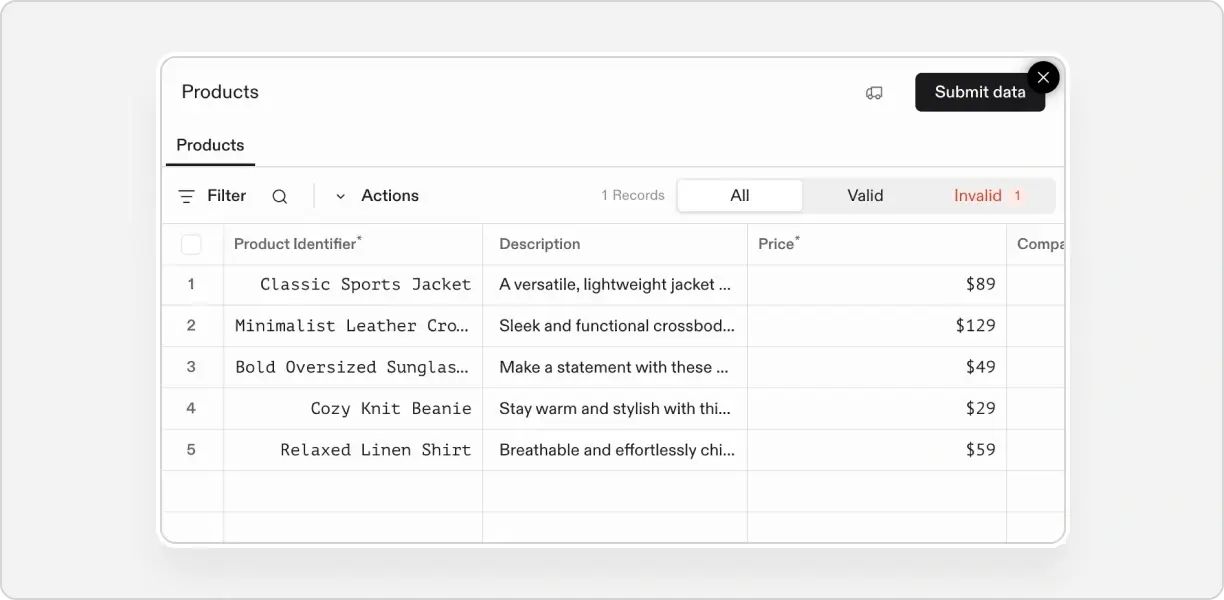
Catalog & Inventory Management
Maintain independent catalogs or pull from a shared master catalog. Sell from multiple stock locations e.g. warehouses, PoS.
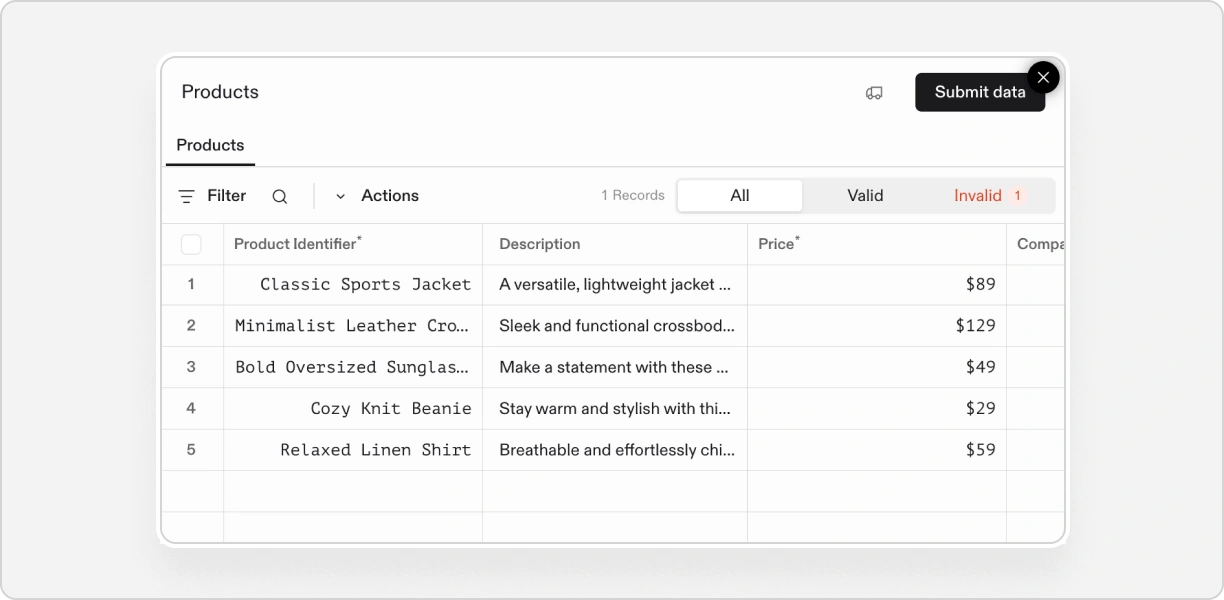
Payment & Tax Configuration
Tenants can connect their own payment gateways and set tax rules for their regions to support their local audiences.
What you get
A scalable and customizable Multi-tenant eCommerce platform
Use Spree as a spring-board to quickly deliver a multi-tenant platform that fits your use case and existing infrastructure.

Short time to market
Spree Commerce ships multi-tenant architecture out of the box. No building tenant isolation, per-store admin panels, or white-label theming from scratch. Start with a working multi-tenant ecommerce platform and customize from there.
Constant improvements
Every Spree release improves multi-tenant capabilities. Tenant management, catalog tools, and admin features evolve with the platform, and your stores benefit automatically.
Support available
Get implementation support, architecture reviews, and ongoing managed hosting from the Spree Commerce team. Whether you are launching 10 stores or 10,000.
Spree Commerce Success Stories




Frequently Asked Questions
What is a multi tenant ecommerce platform?
A multi tenant ecommerce platform runs multiple independent storefronts from a single codebase and shared infrastructure. Each tenant gets its own catalog, pricing, checkout, and admin access while the operator manages updates, hosting, and scaling centrally. Spree Commerce ships multi-tenant as an Enterprise Edition module with data scoping, domain mapping, per-tenant theming, and isolated admin access, so operators run hundreds of branded storefronts from one deployment.
How does multi tenant ecommerce differ from multi-store?
Multi-store gives one company multiple branded storefronts under a single admin. Multi-tenant gives independent businesses or franchisees their own isolated stores on shared infrastructure. The difference is ownership: multi-store serves internal teams; multi-tenant serves external tenants who need data isolation, separate logins, and independent configurations. Spree Commerce supports both models from one platform.
Can you build an ecommerce SaaS platform with multi tenant architecture?
Yes. Teams building vertical SaaS products use multi tenant ecommerce platforms as their commerce layer instead of coding payment flows, catalogs, and checkout from scratch. Spree Commerce provides tenant isolation, per-tenant theming, domain mapping, and independent admin access out of the box, so SaaS teams focus on their industry-specific features rather than reinventing ecommerce infrastructure.
What are examples of multi tenant ecommerce platforms?
Multi tenant ecommerce platforms fall into two camps: SaaS offerings where the vendor controls customization and data access, and self-hosted platforms where operators own the code, the schema, and the deployment environment. Spree Commerce is the self-hosted option, a multi-tenant Enterprise Edition module built on an open-source core, and it gives operators full code ownership and the ability to customize every tenant’s experience.
How do multi tenant ecommerce platforms handle data isolation?
Each tenant’s products, orders, customers, and configurations are scoped to their store instance. A well-architected multi tenant platform enforces this at the database and application layers, so no tenant can access another’s data. Spree Commerce uses per-store scoping with independent admin credentials, ensuring tenant data stays isolated without requiring separate database instances for every storefront.
Is open source multi tenant ecommerce viable for production?
Multi-tenant ecommerce works in production when the platform provides tenant isolation, independent admin access, and per-tenant configuration as native features, not community plugins. Spree Commerce ships multi-tenant as an Enterprise Edition module with data scoping, domain mapping, and white-label theming built in, deployed on the operator’s own infrastructure with full code audit rights on the open-source core.
How do you white-label an ecommerce platform for multiple clients?
White-labeling requires per-client branding (logos, colors, domains), isolated admin access, and the ability to configure catalogs and pricing independently. Spree Commerce handles this natively in its Enterprise Edition multi-tenant module: each client gets a branded storefront mapped to their domain, their own product catalog and checkout flow, and their own admin users, while operators manage the underlying platform as one codebase.