

Sell everywhere. Manage everything in one place.
Omnichannel eCommerce Platform
One open-source platform for online, in-store, wholesale, and direct-to-consumer sales. Centralized inventory, orders, and customer data across every channel.
Used by over 5K businesses worldwide
Brands that have built on Spree Commerce














Brands like Bookshop, Bonobos, GoDaddy, KFC, Mitchells, Blue Apron, and DieHard have built ecommerce on Spree Commerce, alongside 5,000+ other businesses worldwide.
Problem statement
You’re running separate systems for your website, POS, wholesale portal, and marketplace channels

Fragmented systems
Each sales channel on a different platform means duplicated product data, separate order flows, and reconciliation headaches
Out-of-sync inventory
No single source of truth for stock levels, orders, or customer data across channels
Disjointed experience
Customers expect to buy online and pick up in-store, reorder across channels, and get consistent service everywhere
Sell in any channel delighting your customers in all channels
Sell in any channel
Online storefront, POS, wholesale B2B portal, marketplace connectors, social commerce. Add channels without adding platforms. One codebase, any frontend.
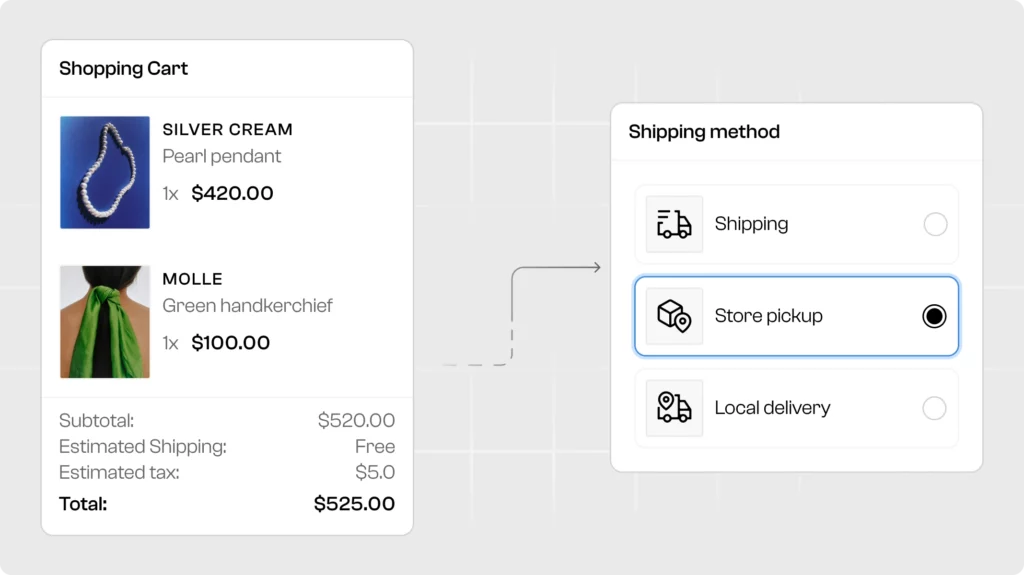
Cross-channel shopping
Customers buy online and pick up in-store. Order in-store and get home delivery. Reorder from any channel with full purchase history. Consistent post-purchase service everywhere.
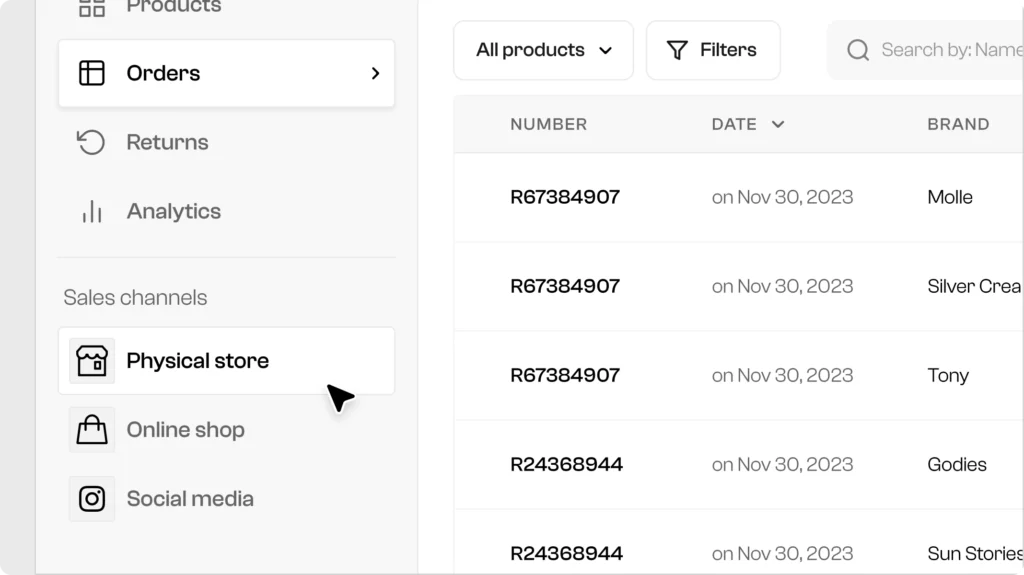
Centralized management
Manage products, inventory, orders, and customer data across all channels from one admin. Omnichannel analytics, shared promotions, and unified loyalty programs wherever you sell.
What you get
Centrally managed omnichannel sales & loyalty
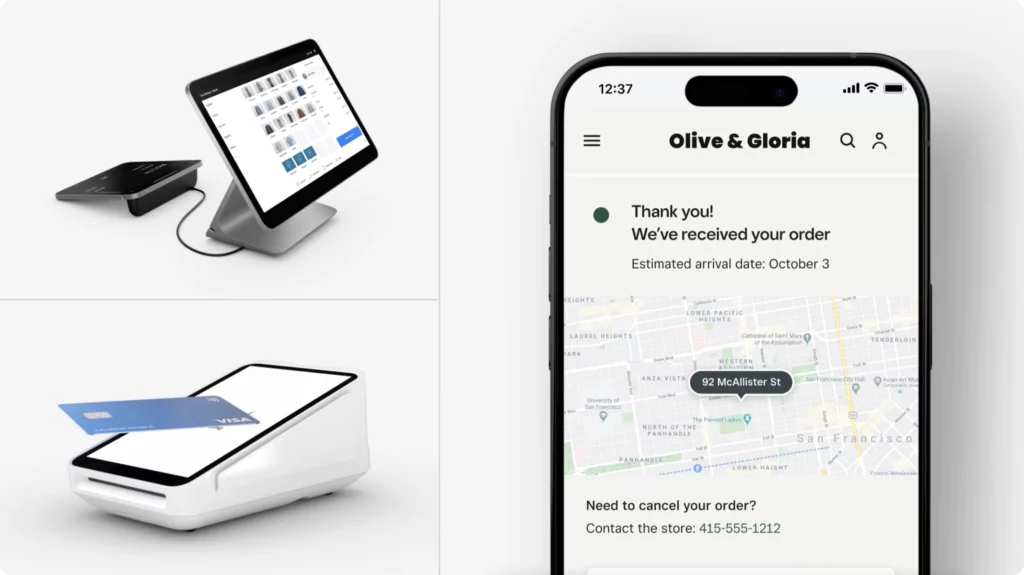
Use Spree for online sales with Square payments online and in every Point-of-Sale to drive sales and build loyalty

PoS and online payments
Switch to Square payment terminals for your PoS locations and use it for Spree-driven online sales B2C or B2B
Delightful shopping
Delight your customers with shopping incentives and promotions, delivery options, and post-purchase care
Growth insights
Draw insights on customer shopping habits and offer incentives stimulating repeat buying and increasing average order value across channels
Success stories




Frequently Asked Questions
What is an omnichannel ecommerce platform?
An omnichannel ecommerce platform manages sales across multiple channels from one system: online storefront, point of sale, wholesale portal, marketplace, and social commerce. Spree Commerce centralizes inventory, orders, and customer data across all channels through its Community Edition multi-store architecture and shared catalog, so every touchpoint draws from the same source of truth.
How does omnichannel ecommerce differ from multichannel ecommerce?
Multichannel means selling on multiple channels that operate independently, each with its own inventory and order management. Omnichannel connects those channels so inventory syncs in real time, customers start a purchase on one channel and finish on another, and order history follows the buyer across every touchpoint. Spree Commerce runs on a single database and one codebase, so its multi-store, multi-warehouse, and POS capabilities share a live inventory pool and a unified customer record by default.
Can an open source platform handle omnichannel ecommerce?
Yes. Open source platforms give teams full control over each channel integration without depending on proprietary connectors or marketplace app fees. Spree Commerce includes multi-store and multi-warehouse support in its free Community Edition, plus POS integration in its Enterprise Edition, so adding new channels does not require paid third-party add-ons.
What features does an omnichannel ecommerce platform need?
The core requirements are centralized inventory across all stock locations, unified order management regardless of channel, consistent product data across storefronts and POS, cross-channel customer profiles, and flexible checkout that supports both online payment and in-store transactions. Spree Commerce ships multi-warehouse stock locations, a unified order model, shared product data across stores, and a single customer record in its Community Edition; EE adds POS integration for brick-and-mortar transactions.
How do ecommerce platforms unify online and in-store inventory?
The platform assigns each physical location and warehouse as a stock location, then tracks inventory per location in real time. When a sale happens online or in-store, stock counts update across the entire system, preventing overselling and enabling cross-channel fulfillment. Spree Commerce models every warehouse, store, and fulfillment center as a stock location in its Community Edition and routes orders to the optimal location based on proximity, availability, or shipping cost.
Can you run B2B wholesale and direct-to-consumer sales on one ecommerce platform?
Yes, platforms with multi-store and customer group support let you operate a public DTC storefront and a gated wholesale portal from the same product catalog and inventory pool. Each channel gets its own pricing, checkout flow, and access rules. Spree Commerce supports this natively through its multi-store architecture and customer group segmentation.
What is the difference between omnichannel ecommerce and unified commerce?
Omnichannel ecommerce connects existing sales channels so they share data and provide a consistent buyer experience. Unified commerce goes further by running all channels on a single platform with one codebase, one database, and one admin interface. Spree Commerce follows the unified commerce model: every channel operates on the same core platform.