

Gated Access & Customer Groups
Member-only eCommerce
Require account approval before buyers can browse or purchase. Assign customer groups with dedicated catalogs, pricing, and checkout flows.
Used by over 5K businesses worldwide
Brands that have built on Spree Commerce














Brands like Bookshop, Bonobos, GoDaddy, KFC, Mitchells, Blue Apron, and DieHard have built ecommerce on Spree Commerce, alongside 5,000+ other businesses worldwide.
Problem statement
Multiple customer personas with different product catalogs and sales processes

One size does not fit all
Each customer segment reqiures a different shopping experience
Need separate storfronts
Need to differentiate product discovery and availability as well as checkout process
Need separate product catalogs
Each customer segment buys different products and quantities
Differentiate product, pricing, and shopping experiences for various customer segments
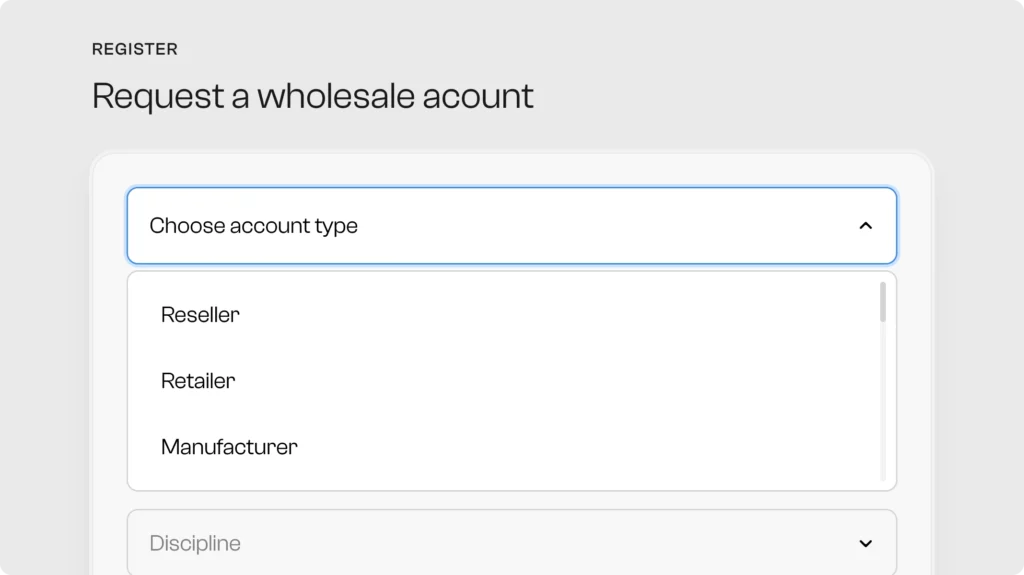
Survey customers on sign up
New customers fill out a form, pick the customer segment and answer qualifying questions
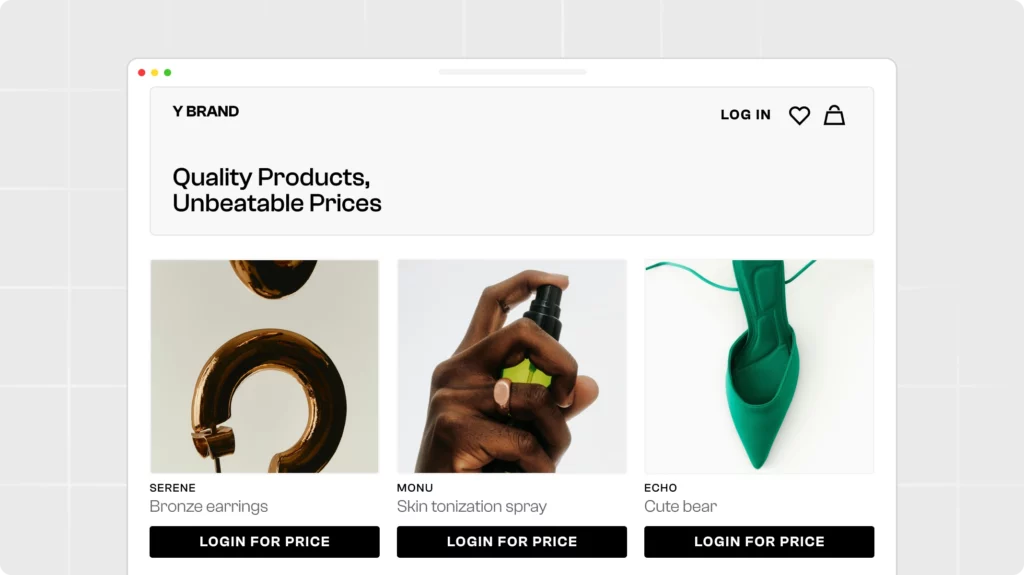
Sell only to signed in users
Products and / or prices are not visible to visitors – customers need to sign in to see and buy
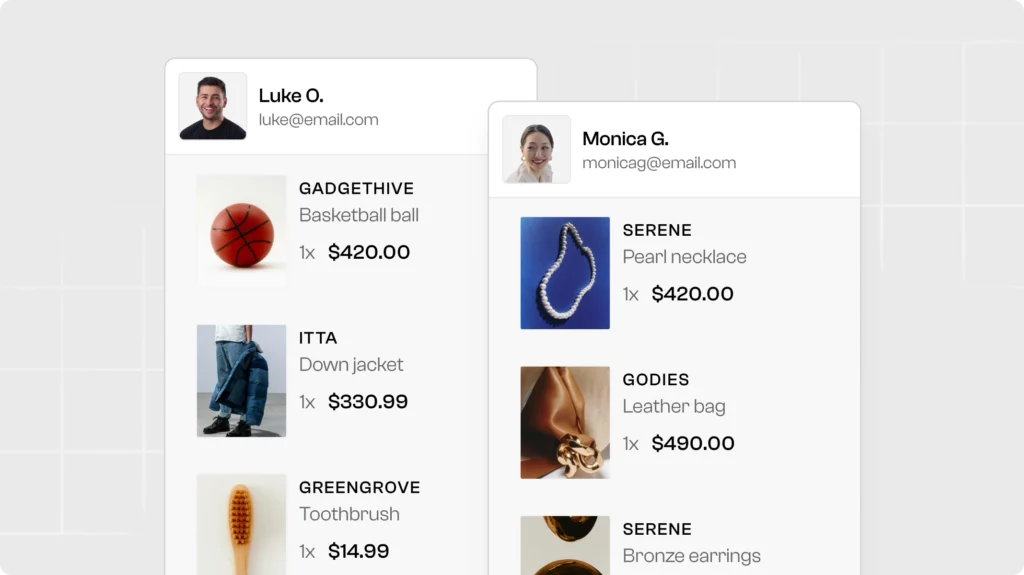
Offer products that fit
Each customer sees only the product subcatalog appropriate to their customer segment
What you get
One business with many happy customer segments
Tailor the shopping experience to each of your customer personas big and small

Don’t sell to just anyone
Identify and qualify customers on signup. Sync customer data to your CRM like Salesforce.
Sell to someone
Selling to identified customers allows you to offer exactly what they’re expecting to buy
Guidance & upselling
Engage selected customers to provide personal guidance and improve overall experience
Success stories




Frequently Asked Questions
What is a member-only ecommerce store?
A member-only store requires account approval before buyers can browse products or place orders. This model serves B2B distributors, trade-only suppliers, and professional networks that verify buyer credentials before granting catalog access. Spree Commerce manages the full lifecycle (application, approval, segmented catalog access, customer-specific pricing) through customer groups, gated storefronts, and role-based permissions in its free Community Edition.
How do you restrict ecommerce store access to approved buyers?
Approval-based access control works at the account level. New buyers submit an application, an admin reviews and assigns them to a customer group, and the platform grants access to that group’s catalog and pricing. Spree Commerce supports this natively through Customer Groups and role-based access, so approved buyers see only the products and prices assigned to their segment.
What is customer-specific pricing in B2B ecommerce?
Customer-specific pricing assigns different price lists to different buyer groups based on their contract, volume tier, or account type. A wholesale distributor might show one price to retail partners and another to institutional buyers for the same product. Spree Commerce handles this through Price Lists linked to Customer Segments, with no per-transaction fees on any pricing tier.
Can you run a gated B2B storefront on an open source ecommerce platform?
Yes. Open source platforms give teams full control over the approval workflow, access rules, and customer group logic without depending on third-party plugins or app store add-ons. Spree Commerce includes gated access, customer groups, and role-based permissions in its free Community Edition, so there are no feature gates or per-user fees.
How do buyer groups work in ecommerce?
Buyer groups segment a customer base so each group sees its own catalog, pricing, and checkout flow. A construction supply company might create groups for contractors, architects, and government agencies, each with different product visibility and volume discounts. Spree Commerce assigns new buyers to a customer group during approval, applies group-specific price lists and catalog rules automatically, and scopes promotions to the groups that qualify.
What is the difference between a members-only store and a B2B customer portal?
A members-only store controls who can access the entire storefront, requiring approval before any browsing or purchasing. A B2B customer portal is a self-service interface for existing customers to manage orders, reorders, and account details. Spree Commerce supports both models from one platform: gated storefront access with approval workflows for the members-only case, and Buyer Organizations with role-based purchasing, approval chains, and reorder flows for the customer-portal case in its Enterprise Edition.
How do you manage approval workflows for new B2B buyers?
Approval workflows route new buyer applications through a review step before granting store access. The workflow typically captures business credentials, assigns the buyer to a customer group with appropriate pricing, and triggers a welcome notification with login details. Spree Commerce supports custom approval logic through its extensibility framework, letting teams tailor the flow to their verification requirements.