

Selling consumer products online
DTC eCommerce
Sell to online consumers and through multiple Points of Sale with one admin dashboard and full visibility
Used by over 5K businesses worldwide
Brands that have built on Spree Commerce














Brands like Bookshop, Bonobos, GoDaddy, KFC, Mitchells, Blue Apron, and DieHard have built ecommerce on Spree Commerce, alongside 5,000+ other businesses worldwide.
Omnichannel eCommerce
- Sell online and in-store
- Manage from a single dashboard
- Keep all sales channels synced
Multi-vendor Marketplace
- Onboard vendors
- Curate product details
- Customize storefront
Learn more
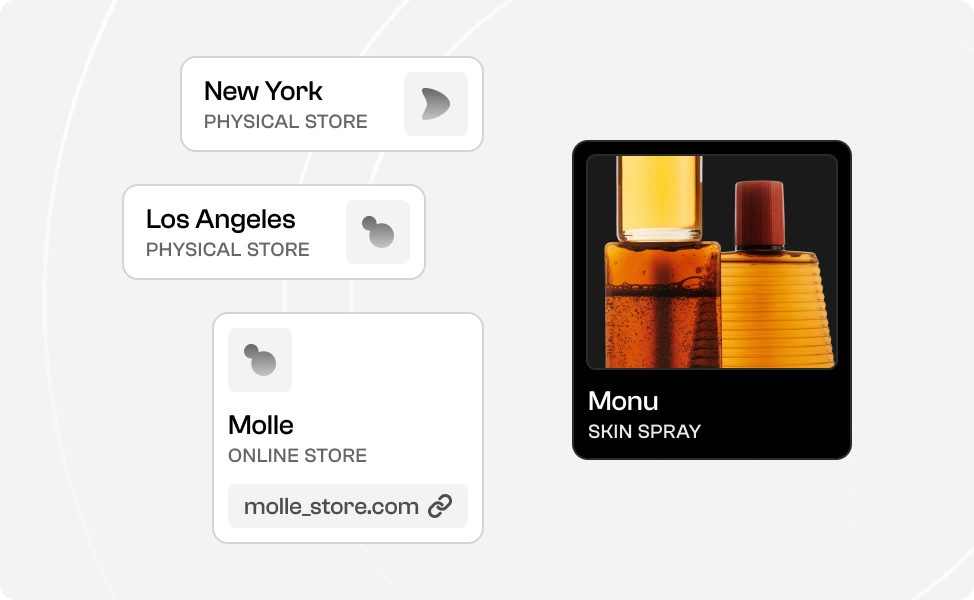
Multi-warehouse eCommerce
- Sell everything anywhere
- Smooth partial deliveries
- Inventory transfers
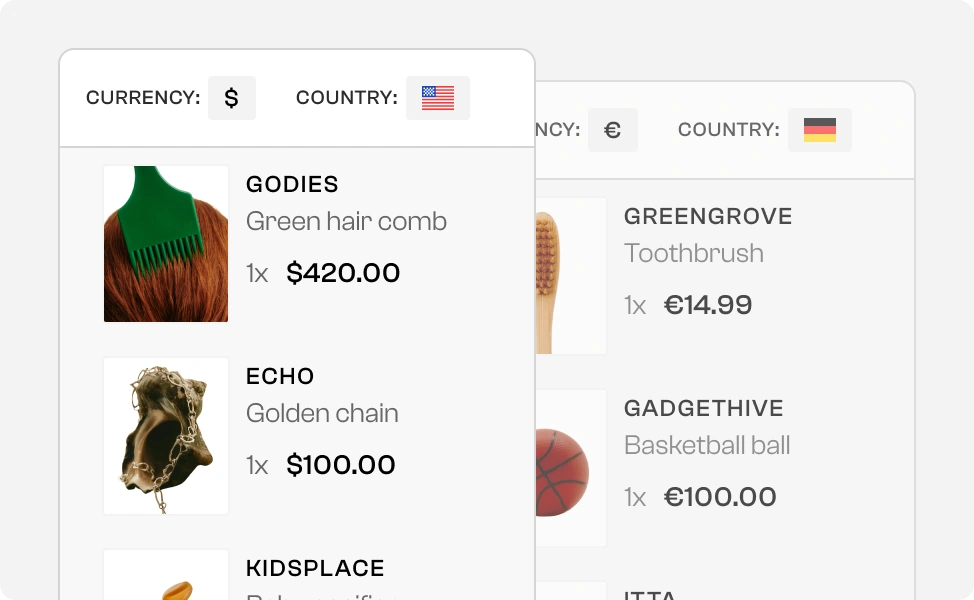
Multi-country eCommerce
- Sell in any country
- Accept local currencies and payments
- Offer localized shipping methods
One payment processor
Use Square for PoS and all online payments for a unified experience and centralized orders and payments management

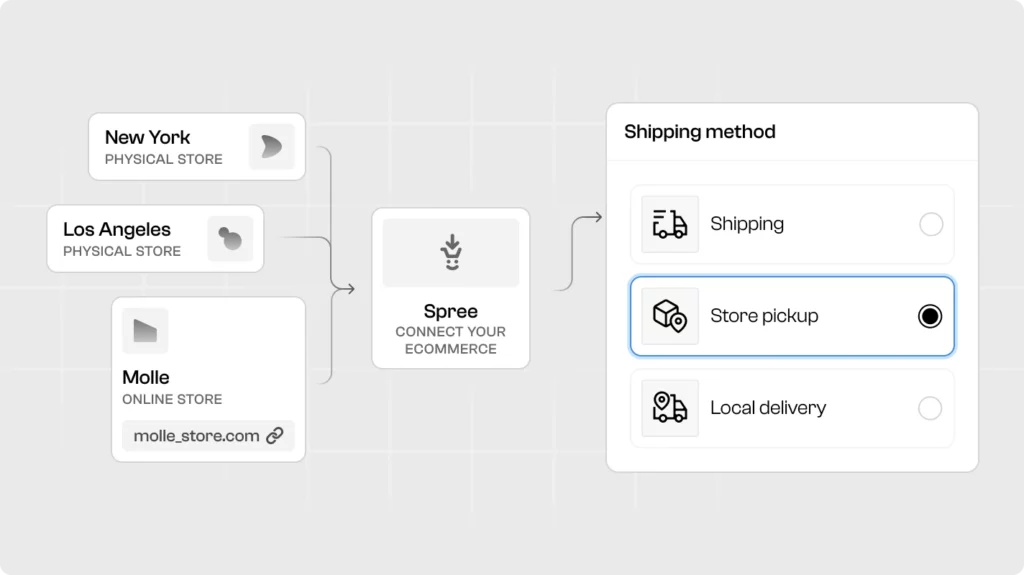
Cross-channel shopping
Customers buy in-store but get orders delivered. Order online but choose in-store pick-up. Re-ordering and post-purchase service across all channels
Centralized management
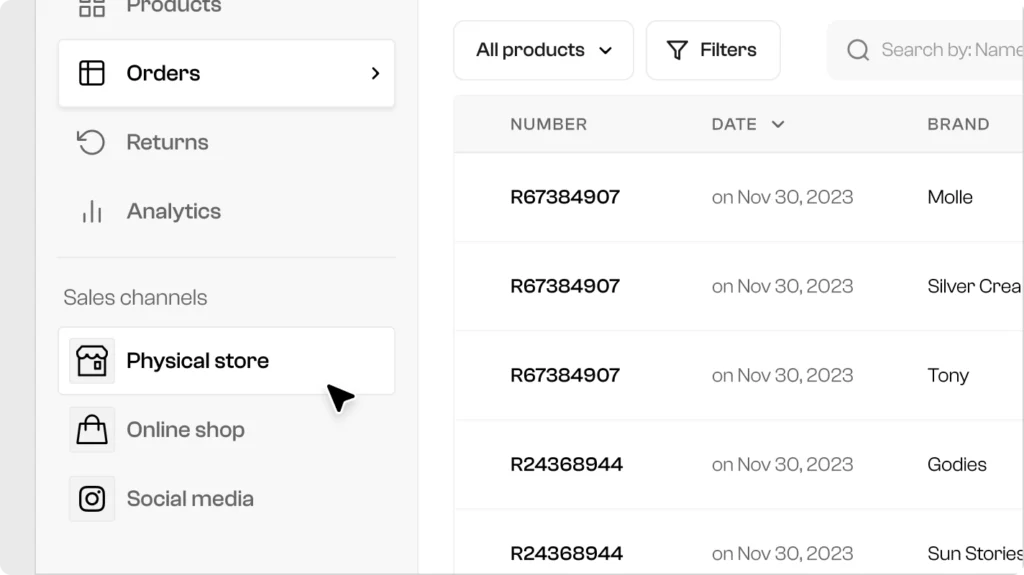
Manage products, orders, payments across all channels. Get omnichannel insights to drive loyalty with discounts or gift cards wherever you sell
Benefits
Centrally managed omnichannel sales & loyalty
Online sales with Square payments online and in every Point-of-Sale to drive sales and build loyalty

One payment processor
Use Square for PoS and all online payments for a unified experience and centralized orders and payments management
Delightful shopping
Delight your customers with shopping incentives and promotions, delivery options, and post-purchase care
Growth insights
Draw insights on customer shopping habits and offer incentives stimulating repeat buying and increasing average order value across channels
Frequently Asked Questions
What is a DTC ecommerce platform and what should DTC brands look for?
DTC (direct-to-consumer) ecommerce platforms let brands sell consumer products directly online without retail intermediaries. DTC brands typically need a fast consumer storefront, integrated checkout and payments, multi-channel inventory sync, and in-store pickup capabilities as they expand into physical retail. Spree Commerce is open source ecommerce software that ships these capabilities natively, with zero transaction fees and no per-order platform commission.
Which ecommerce platforms support both online DTC sales and physical Point of Sale?
Spree Commerce ships omnichannel capabilities natively: inventory, customer profiles, and order history sync between web orders and in-store transactions under one admin dashboard. DTC brands using Square for both online payments and physical PoS can route all sales through a single processor, and Spree Commerce integrates with multiple PoS systems through its open source REST API for brands that use alternative in-store hardware.
How does buy-online-pickup-in-store (BOPIS) work in Spree Commerce?
Spree Commerce ships cross-channel shopping natively. Customers can buy online and pick up in-store, buy in-store and have orders delivered, or re-order and receive post-purchase service across any channel. Store inventory, web inventory, and customer history share one database, so a BOPIS order placed online reserves stock at the pickup store and the in-store associate fulfills from a unified dashboard.
Can DTC brands run multiple storefronts for different brands or regions on one platform?
Yes. Spree Commerce ships multi-store capabilities natively: one admin dashboard manages multiple storefronts, each with its own domain, branding, currency, language, and product catalog. DTC brands with sub-brands, country-specific storefronts, or outlet stores run all of them on one Spree Commerce installation. Products, orders, customers, and inventory can be shared across stores or scoped per store depending on merchandising strategy.
Does Spree Commerce support cross-border ecommerce for international DTC brands?
Yes. Spree Commerce bundles cross-border capabilities natively. Markets group geography, currency, language, payment methods, and shipping rules into one configurable entity, so a DTC brand selling into multiple countries manages each region’s pricing, tax, and fulfillment rules from one dashboard. Spree Commerce supports multi-currency checkout, per-country tax calculators, and regional payment processor routing out of the box.
Is Spree Commerce a headless ecommerce platform?
Yes. Spree Commerce is API-first, with a complete REST API documented in OpenAPI 3.0 and a dedicated Next.js storefront repository. DTC brands can decouple their storefront framework from the commerce backend, deploy custom React, Vue, or native mobile frontends, and use Spree Commerce as the headless backend for web, mobile, and kiosk experiences running on the same product catalog and order system.
What does an open source DTC ecommerce platform cost compared to Shopify Plus or BigCommerce?
Spree Commerce is free and open source software, with zero transaction fees, zero platform revenue share, and no per-store licensing for the Community Edition. DTC brands pay only for their hosting, development team (in-house or agency), and an Enterprise Edition license if they need one. Shopify Plus and BigCommerce charge platform fees that scale with revenue, which Spree Commerce eliminates entirely.